Key takeaways from 32nd Nigerian Economic Summit

Nigerian Economic Summit Emphasizes Pathways to Inclusive Growth
By Emeka Anaeto, Business Editor
The 32nd edition of the Nigerian Economic Summit took place last week in Abuja, bringing together a diverse group of stakeholders from Nigeria’s public and private sectors. The event generated critical discussions around the country’s economic development and policy execution, highlighting prevalent challenges.

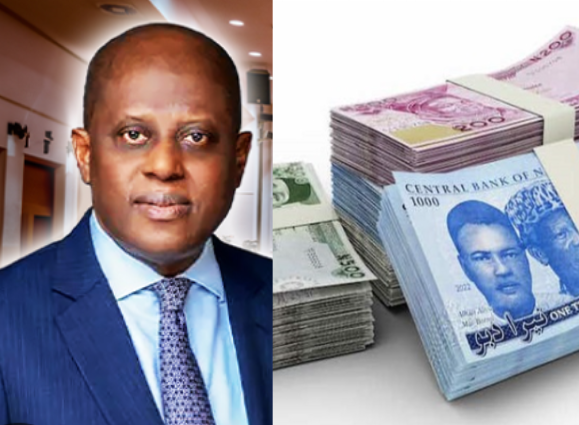
Under the theme “Growth that Works: Delivering Jobs, Productivity and Shared Prosperity,” the summit emphasized the imperative for effective economic reforms as Nigeria approaches its next general elections. President Bola Tinubu’s administration has introduced substantial reforms in the past three and a half years, sparking significant debate among participants.
Featuring international experts and key Nigerian business leaders, the discussions were candid and devoid of biases toward any particular interests. Participants focused on building consensus on actionable strategies aimed at fostering inclusive and sustainable growth.
The summit also explored Nigeria’s development priorities through five main sub-themes: Work Nigeria, aimed at enhancing job creation; Produce Nigeria, which focuses on productivity and industrialization; Invest Nigeria, promoting social welfare and investments; Scale Nigeria, expanding economic growth across various states; and Secure Nigeria, which seeks to improve safety and confidence in economic activities.
A primary takeaway from the summit is the urgent need for Nigeria to transition from mere macroeconomic stabilization to measurable economic prosperity that translates into productive jobs and enhanced living standards for citizens. While acknowledging some progress toward stability, participants stressed that economic growth must lead to improved household incomes, business competitiveness, food security, and broader economic opportunities.
In his opening address, Niyi Yusuf, Chairman of the Nigerian Economic Summit Group (NESG), underscored mixed results from current reforms. “Key macro indicators are improving, but significant constraints limit the transmission of these gains to businesses and households,” he stated. Yusuf noted that Nigeria had attracted approximately $23.2 billion in foreign capital inflows so far in 2026, predominantly through portfolio investments rather than foreign direct investments.
He emphasized that ongoing reforms, while creating certain pressures, provide an opportunity to reassess the foundations of Nigeria’s socio-economic development. “Our responsibility now is to ensure that reform translates into stronger enterprises, better jobs, and improved living standards,” he added.
President Tinubu, through Vice President Kashim Shettima, addressed attendees regarding the significance of the current reform agenda. He reaffirmed the administration’s commitment to rewriting Nigeria’s long-standing narrative of underperformance. “There is no shortcut to economic growth. We must judge industrial policy by the competitiveness of our firms,” he said, pointing to improvements in non-oil sectors contributing significantly to the GDP.
Professor Stefan Dercon from the University of Oxford delivered the keynote address, emphasizing the need for unity among Nigeria’s elite across various sectors to achieve sustainable growth. He cautioned that entrenched interests may resist changes that threaten their status, highlighting the necessity for a coalition dedicated to broad national interests.
From the discussions emerged ten strategic outcomes, including the establishment of a new economic accord that promotes policy consistency, enhancing trade competitiveness, unlocking potential in Micro, Small, and Medium Enterprises (MSMEs), and prioritizing security as a foundation for economic growth.
The overarching message from the summit is clear: While economic stability is essential, it alone is insufficient for Nigeria’s future. The nation must focus on the quality of growth, the resilience of its institutions, and the opportunities created for its citizens. These discussions have outlined a pathway for advancing Nigeria’s transformation through sustainable practices and collaborative efforts among government, business, and civil society.