State of The Nation: How North has become Nigeria’s problem — Saror, ex-Senate Minority Leader
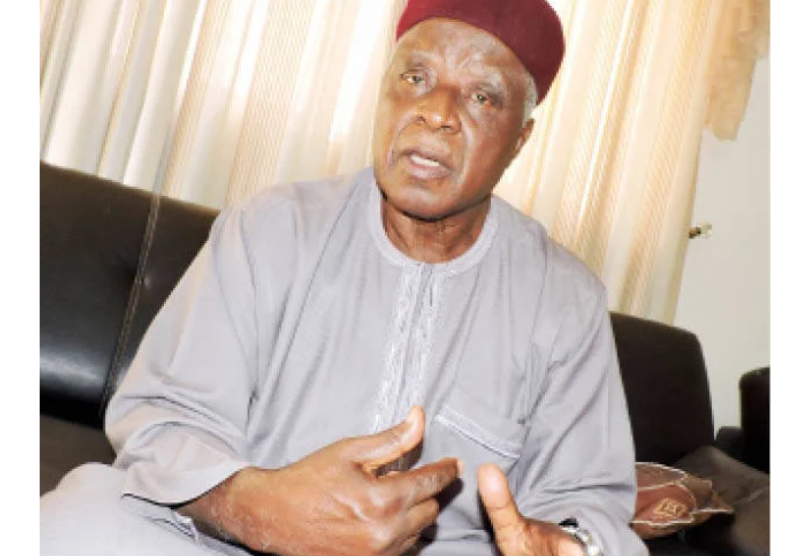
State of the Nation: North’s Growing Challenges, Says Former Senator
Insecurity Threatens National Unity
Political Dynamics of Livestock Husbandry Under Scrutiny
At 85, Saror Expresses Concerns for Nigeria’s Future
By Peter Duru
Former Senator Daniel Saror, who served as the seventh Vice Chancellor of Ahmadu Bello University Zaria and represented Benue North East District from 1999 to 2007, voiced his concerns about the escalating insecurity in Nigeria’s northern regions during a recent interview. Saror expressed apprehension about the country’s future and the implications of ongoing violence.
Reflecting on his long-term observation of Nigeria, Saror noted that at 85, he fears witnessing a better Nigeria. He highlighted significant changes since the country’s independence in 1960, stating that insecurity has reached alarming levels, nearly categorizing Nigeria as a failed state.
“The primary purpose of any government is to protect the lives and properties of its citizens,” Saror remarked. “Currently, we appear to have a government that is either incapable or unwilling to fulfill that role.”
He pointed to rampant violence across various northern states, including Sokoto, Zamfara, Katsina, Borno, and Benue, attributing the growing tensions to the intensifying activities of armed groups, particularly militant Fulani herdsmen. Saror recalled his experiences in 2014 as part of a committee addressing disturbances in Benue, noting a significant increase in armed Fulani militants who were not engaged in traditional livestock husbandry.
Saror stated that substantial portions of Benue State, including Agatu and Guma local governments, have been overtaken by these groups. He argued that this increasing unrest stems from a lack of adequate response from northern leadership, which he believes has paid insufficient attention to the impacts of ethnic and religious intolerance.
“Northern Nigeria has become a problem for the entire country,” Saror asserted. “If the Federal Government aims to control the situation, greater attention must be paid to the issues of ethnicity and religion.”
Saror emphasized that underlying these conflicts are broader issues, including poverty and underdevelopment. “If northern leaders were forthright about the religious agenda at play, many may have acted differently,” he added. He criticized the politicization of livestock husbandry, claiming that arms historically allowed for herdsmen are not made accessible to ordinary Nigerians, suggesting a dangerous double standard that fuels insecurity.
Concerning the recent U.S. military involvement in Nigeria, Saror stated that it reflects poorly on the Nigerian government’s capacity to handle the situation effectively, calling attention to the complexities of insecurity driven by both economic and religious factors.
“The Nigerian government is complicit in this insecurity,” he claimed, recounting personal experiences indicating a disconnect between military orders and actions on the ground.
Saror, who retired from active politics in 2016, expressed dissatisfaction with the current political climate, notably the Senate’s reluctance to embrace reforms like mandatory electronic transmission of election results. He argued that the Senate must align itself with public demand for credible elections.
“As public representatives, it is crucial to secure trust through transparency and accountability,” he advised.
Regarding political disputes within Benue State, Saror advised Governor Hyacinth Alia to seek reconciliation with Senator George Akume, a prominent figure in local politics. “Peace between them is essential for the development of our state,” he emphasized.
This interview underscores the urgent need for cohesive strategies to address the myriad challenges facing Nigeria, particularly in the north, where leaders are called to prioritize peace and development for the benefit of all citizens.