Middle East crisis, FPI exit, weaken Naira to N1,425/$
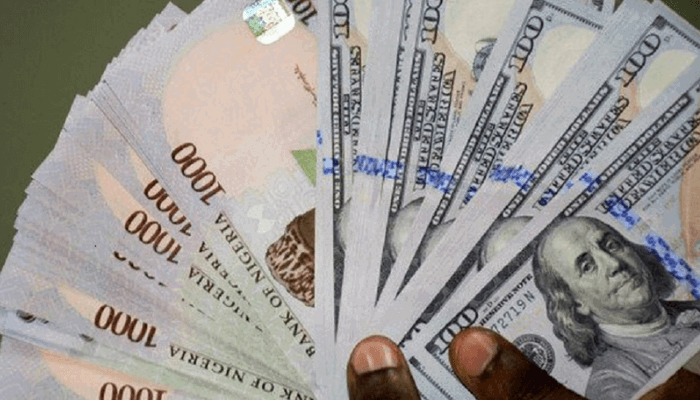
Naira Depreciates to Record Low Amid Rising Demand for U.S. Dollars
By Babajide Komolafe and Elizabeth Adegbesan
The Nigerian naira fell to 1,425 per dollar in the official market on Monday, marking its lowest point in two months. This decline is largely attributed to increased demand for the U.S. dollar, driven by escalating tensions in the Middle East.



Data from the Central Bank of Nigeria (CBN) revealed that the naira’s indicative exchange rate rose from 1,398 per dollar last weekend, representing a depreciation of 27 naira. Since February 17, the currency had been appreciating, peaking at 1,337 per dollar early last week before gradually sliding to its current level.
In the past three weeks, the naira has lost a cumulative 88 naira against the dollar. The depreciation was similarly mirrored in the parallel market, where the naira slipped to 1,410 per dollar from 1,405 per dollar last Friday. This shift increased the discrepancy between the official and parallel markets to 15 naira, compared to just 7 naira the previous weekend.
The recent instability in the naira is believed to be exacerbated by foreign portfolio investors (FPIs) exiting the market due to a heightened perception of risk amid ongoing geopolitical conflicts, particularly between the U.S. and Iran. In response to the rising demand for dollars, the CBN intervened last week, injecting $500 million into the foreign exchange market.
Analysts at Financial Derivatives Company noted, “The decline in the naira comes amid intensified demand for the U.S. dollar driven by escalating Middle East tensions.” Cowry Asset Management also observed that the naira weakened across both official and informal markets, indicating increased currency pressures.
The CBN’s recent actions aim to mitigate the impact of these external pressures on the domestic currency, as both investors and analysts keep a close watch on developments in the region.