Atiku vows probe of ₦33.75bn cash transfer funds
By Omeiza Ajayi
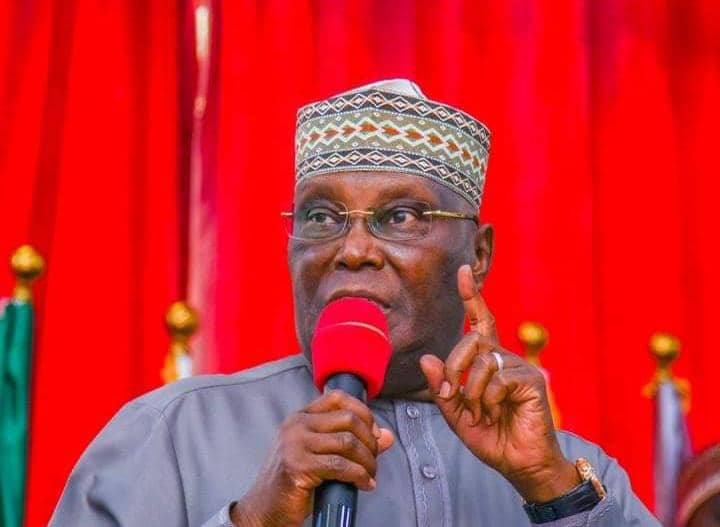
Atiku Abubakar, the presidential candidate for the African Democratic Congress (ADC), has announced plans to establish an independent team of experts to investigate the allocation of ₦33.75 billion intended for 3.29 million vulnerable households in Nigeria. This decision follows the release of an audit report that questioned whether the funds were distributed appropriately.
In a statement released Saturday by his Senior Special Assistant on Public Communication, Phrank Shaibu, Abubakar criticized the current administration for its handling of the subsidy for the poor. He described the audit findings as a significant indictment of a government that has raised taxes and utility costs, while failing to ensure support reached its intended recipients.

Abubakar pointed out that the disbursement of ₦33.75 billion among 3.29 million households amounts to approximately ₦10,258 per household. He emphasized that, despite the government’s proclaimed intervention, the actual assistance provided was negligible, especially after recent increases in transport fares, electricity costs, and food prices.
“This is beyond a bookkeeping scandal,” Abubakar stated. “The intervention is insultingly small, yet even that amount cannot be properly accounted for. If funds intended for struggling Nigerians are untraceable, it reflects a grave injustice against the poor.”
The presidential hopeful commended Auditor-General Shaakaa Chira for prioritizing his constitutional duties over political considerations, asserting that government institutions should safeguard public resources rather than politicians’ comforts.
Abubakar raised further concerns regarding the government’s conflicting statements about disbursements, noting that officials had claimed that over ₦600 billion was allocated to more than 10 million households, while earlier figures indicated 15 million households.
“There seems to be no coherent explanation from the Tinubu administration regarding how many households benefited from its intervention,” he said, further asserting that announcements from officials do not constitute proof of payment.
The Auditor-General’s inquiry is focusing on the ₦33.75 billion meant for 3.29 million beneficiaries, as well as ₦36.74 billion that was reportedly paid without undergoing prior audit procedures and ₦4.62 billion for which payment vouchers were absent. Abubakar stressed the importance of accountability for funds designated for vulnerable Nigerians amidst rising living costs.
He stated that the same government under scrutiny cannot be trusted to investigate itself. “My team will assemble an independent group of financial, audit, technology, and public-accounting experts to examine the records related to these cash-transfer payments. We will ensure transparency and accountability in determining the facts,” Abubakar announced.
He argued that what Nigerians require is not merely another palliative but effective economic policies that enhance purchasing power and reduce living costs, enabling families to retain more money. Abubakar emphasized that any genuine beneficiaries should have verifiable payment records, and if funds were misappropriated, responsible officials must face legal consequences.
“The poor have already suffered enough from increased costs for fuel, food, electricity, transportation, and taxes. They must not also lose funds allocated in their name,” he added.