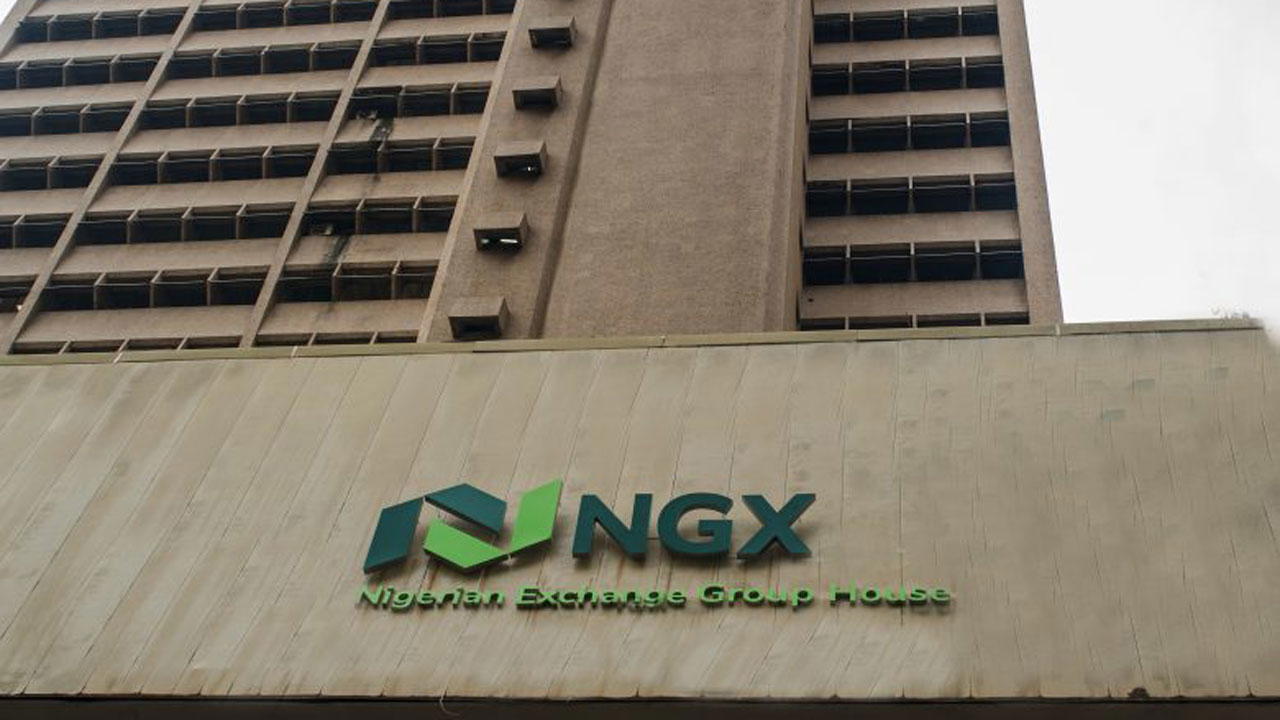
Banks awash with excess cash amidst poverty

Banking System Liquidity Sees Significant Increase Amid Economic Challenges
By Elizabeth Adegbesan
Nigeria’s banking system recorded a notable increase in liquidity, with the average net liquidity rising to 5.53 trillion naira in May 2026, a 17.16% increase from 4.72 trillion naira in April 2026.



The Central Bank of Nigeria (CBN) attributed this surge in liquidity to several factors, including inflows from maturing CBN bills, bond coupons, and disbursements from the Federation Account Allocation Committee (FAAC), as detailed in the CBN’s Monthly Economic Report for May 2026.
Factors such as the maintenance of the Cash Reserve Ratio (CRR) and foreign exchange activities also contributed to the stabilization of short-term interest rates in the financial environment.
In response to the increase in liquidity, the CBN intensified its Open Market Operations (OMO). The bank offered 3.6 trillion naira in CBN bills, but investors demonstrated a strong appetite, with subscriptions reaching an unprecedented 14.4 trillion naira during the period. Ultimately, the CBN allotted 12.54 trillion naira, with stop rates ranging from 19.97% to 21.90%.
The CBN indicated that the high level of subscriptions reflected an excess of liquidity in the market and the allure of attractive returns. The bank stated, “Overall, the liquidity operations of the Bank resulted in net withdrawal from the banking system.”
Concurrently, the Federal Government advanced its domestic financing strategy through the issuance of Nigerian Treasury Bills (NTBs) and Federal Government of Nigeria (FGN) bonds. The report highlighted that NTB subscriptions reached 4.4 trillion naira in May 2026, surpassing the initial offer of 1.35 trillion naira, with the 364-day tenor continuing to draw the most investor interest.
The debt market also demonstrated resilience for long-term instruments, with the government issuing 10- and 20-year FGN bonds that attracted 800 billion naira in subscriptions against an initial offer of 600 billion naira. Stop rates for these bonds remained stable, between 17.00% and 17.04%.
The CBN noted that the oversubscription of these bonds indicated strong investor confidence and the appeal of returns on government securities.