Oyedele at UNGA: ‘Africa needs affordable capital to finance infrastructure’
Minister Calls for Shift in Global Financing Approach for Africa’s Development
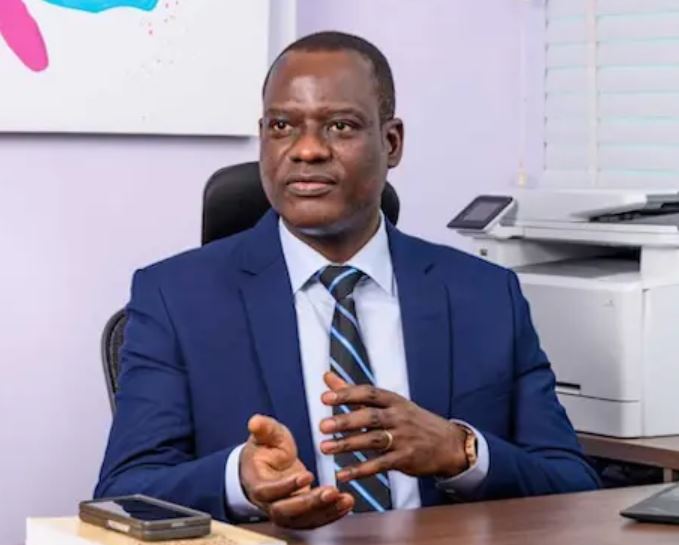
NEW YORK — Taiwo Oyedele, Nigeria’s Minister of Finance and Coordinating Minister of the Economy, urged a fundamental change in how the international community finances Africa’s development. Speaking at a United Nations dialogue on climate finance during the 81st Session of the United Nations General Assembly, Oyedele emphasized the need for affordable, long-term capital to support infrastructure and energy projects across the continent.
According to a statement from Efe Ovuakporie, the Head of Information and Public Relations at the Ministry of Finance, Oyedele cited high financing costs, currency risks, and limited access to long-term capital as significant barriers to Africa’s development aspirations, particularly in the energy sector. He highlighted the urgent need for robust investment to address the continent’s considerable energy-access deficit.

Despite contributing relatively little to global carbon emissions, Africa faces what Oyedele referred to as a “prejudice premium” and “narrative cost,” which complicate financing efforts for essential infrastructure projects. He identified additional challenges, including currency risks and what he termed a “stereotype tax,” that further hinder capital mobilization for development initiatives.
In light of these challenges, Oyedele called for a reevaluation of climate finance strategies, advocating for arrangements that reflect the developmental realities of developing countries. He proposed simplifying access to affordable capital to facilitate progress.
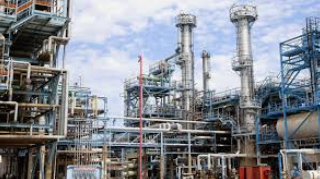
Moreover, he stressed the importance of increased investment in natural gas and other transitional energy sources as vital to addressing poverty and supporting economic growth in Africa. Oyedele noted that enhancing investment in the continent’s energy sector could alleviate energy poverty and diversify global energy supplies, which is particularly crucial given current uncertainties affecting the Gulf region.
The minister maintained that Africa’s energy transition should align with its development needs, given its substantial energy-access gap. He emphasized the necessity for African nations to attract greater investments to bolster electricity and energy infrastructure while pursuing a practical route towards cleaner energy sources.
Furthermore, Oyedele argued that the global climate finance framework should accommodate the unique circumstances of developing countries, rather than impose conditions that could further impede their growth.
For Nigeria specifically, Oyedele outlined an immediate focus on designing and implementing policies aimed at poverty reduction, expanding economic opportunities, and fostering shared prosperity. He underscored that achieving these goals would necessitate enhanced international cooperation and a supportive financing framework to help developing countries mobilize essential capital for infrastructure improvements and elevate living standards.