Electoral Act: S’Court ruling unsettles PDP, opposition candidates
By Clifford Ndujihe and Luminous Jannamike
The Supreme Court has reinstated key provisions of the 2026 Electoral Act, creating a new legal landscape for the nominations of candidates from the Peoples Democratic Party (PDP) and other opposition parties in anticipation of the 2027 elections.
This ruling also affects notable parties such as the Social Democratic Party (SDP), Allied Peoples Movement (APM), People’s Redemption Party (PRP), and a candidate from the All Progressives Congress (APC). While the judgment does not immediately disqualify the impacted candidates, it restores statutory requirements that may lead to legal challenges if evidence reveals non-compliance with membership, registration, or nomination procedures.


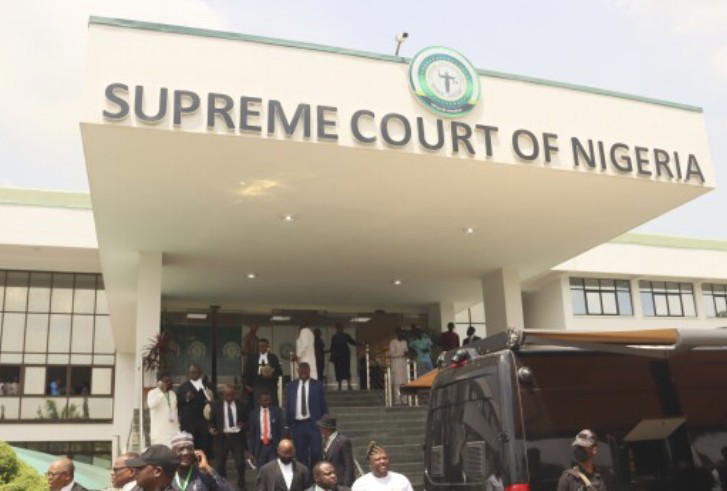
In a unanimous decision issued on September 24, 2026, the Supreme Court ruled to restore Sections 77(5), 77(6), 77(7), and 84(2) of the Electoral Act, asserting that these provisions are consistent with the 1999 Constitution. This overturns an earlier Court of Appeal ruling that declared them void.
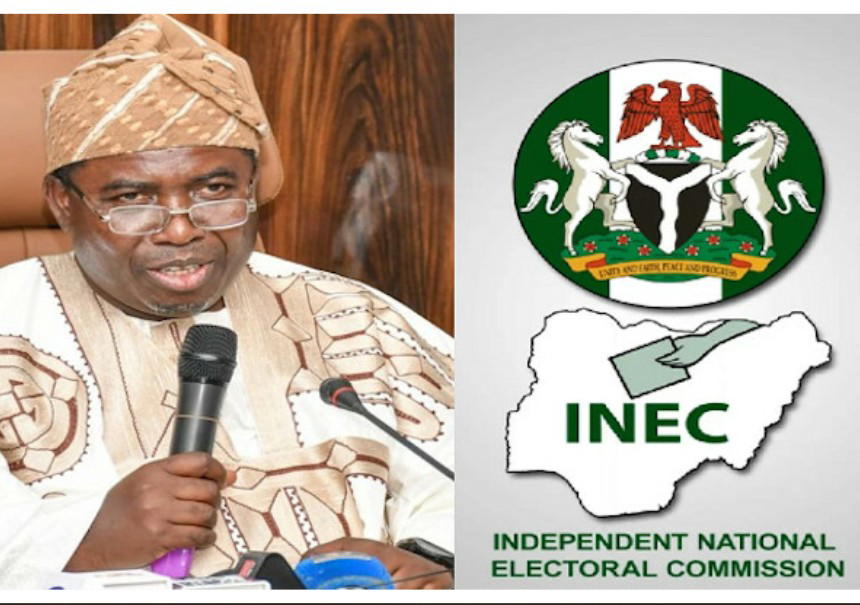
The restored provisions mandate parties to utilize the membership register submitted to the Independent National Electoral Commission (INEC) at least 21 days prior to a primary election. Parties must conduct nominations through direct primaries or consensus, and candidates may be challenged if evidence suggests they were not listed on the relevant register or participated in activities inconsistent with applicable requirements.
Candidates from the PDP facing scrutiny include Senator Saliu Mustapha, Kolo Jiya, Professor Iyabo Obasanjo, and Senator Olubiyi Fadeyi. Despite the Supreme Court’s judgment not targeting specific individuals, these candidates may be subject to challenges regarding their compliance with the Electoral Act.
In Gombe State, the situation surrounding former Minister of Communications and Digital Economy, Professor Isa Ali Pantami, has been under legal review since before the Supreme Court’s decision. A Federal High Court had annulled the PDP governorship primary that nominated Pantami, mandating the party to conduct a new primary in accordance with its guidelines and applicable electoral laws. The PDP has scheduled another primary for September 29, which involves candidates Pantami and Khamisu Ahmed.
Allegations related to the nomination process for Mustapha and Jiya have emerged, given their previous affiliations with the APC before joining the PDP, supported by the Saraki-led G15 alliance. Key questions regarding their eligibility focus on whether their names were included in the PDP membership register submitted to INEC in a timely manner and whether the waivers they received were sufficient for participation in the nomination process. The Kwara PDP has countered claims that the Supreme Court ruling disqualified their candidacies, arguing that Mustapha’s nomination did not stem from an initial primary.
Dr. Iyabo Obasanjo’s candidacy in Ogun Central is also under investigation. After resigning from the APC and rejoining the PDP shortly before her nomination, questions have arisen regarding her inclusion on the PDP register at the appropriate time. However, there is no specific ruling from the Supreme Court disqualifying her.
Senator Olubiyi Fadeyi of Osun has also refuted claims that the Supreme Court ruling has affected his Senate candidacy. Fadeyi stated that no court has issued a disqualification order against him and emphasized the legality of the process that granted him the PDP ticket.
As the situation evolves, disputes regarding candidate eligibility will likely focus on the documentation behind individual nominations rather than on the Supreme Court’s ruling itself, which does not serve as an automatic disqualification. The essential records include membership registers submitted to INEC, the timing of those submissions, any waivers issued, and documentation reflecting how candidates were nominated through primary or consensus processes.
In addition to the affected PDP candidates, potential disqualifications may also impact candidates from other opposition parties, including former Inspector General of Police, Adamu Idris of the SDP in Nasarawa; Abdulrahman Haske of the APM in Adamawa; Senator Shehu Buba of the PRP in Bauchi; and Lawal Daura of the APM, who is a running mate for Seyi Makinde.