FG Launches National Food Procurement Policy To Promote Healthier Diets –
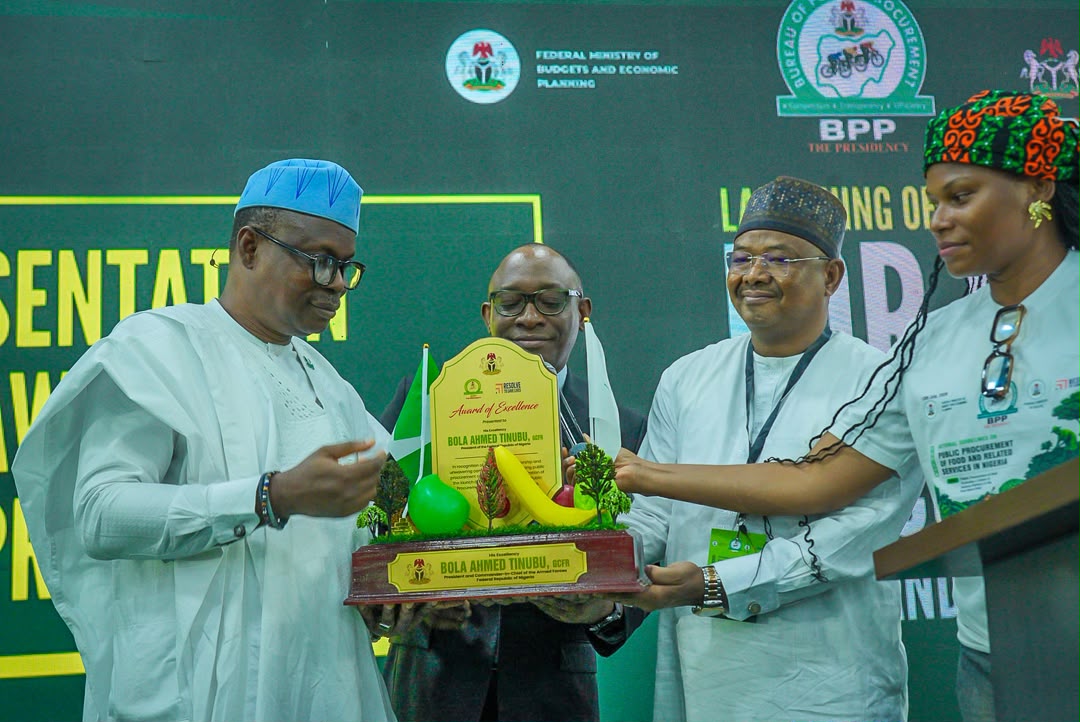
Federal Government Introduces National Food Procurement Guidelines
ABUJA — The Federal Government of Nigeria has unveiled new National Guidelines for the Public Procurement of Food and Related Services. The initiative aims to promote healthier diets, enhance nutrition, and mitigate the impact of diet-related diseases across the country.
At a launch event held in Abuja on Monday, Dr. Iziaq Adekunle Salako, the Minister of State for Health and Social Welfare, emphasized that the guidelines would transform government food procurement into a strategic instrument for public health improvement. He noted the potential to strengthen food systems and support national development.


“Our public procurement decisions must reflect national priorities,” Salako said. “This policy should be seen not just as a compliance measure but as a vital tool for improving health outcomes, strengthening human capital, and stimulating economic growth.”
The minister highlighted the global health crisis stemming from unhealthy diets, which contribute to approximately 7.2 million deaths each year. In Nigeria, he mentioned that the average daily sodium intake stands at 3.9 grams—nearly double the World Health Organization’s recommended limit of two grams. He pointed out that high consumption of industrial trans fats and sugar-sweetened beverages is a leading cause of cardiovascular diseases, obesity, and diabetes.
Salako explained that the new guidelines work in conjunction with existing initiatives, including the National Guideline for Sodium Reduction, regulations on trans fats, and a tax on sugar-sweetened beverages. He also expressed concern regarding malnutrition in Nigeria, stating that nearly half of all deaths among children under five are linked to this issue. Statistics reveal that about four in ten Nigerian children are stunted, and almost two million suffer from severe acute malnutrition annually.
The newly implemented guidelines aim to set evidence-based standards for food procurement that promote balanced diets while establishing limits on sodium, sugar, and unhealthy fats in meals provided at public institutions. Successful adherence to these guidelines is expected to result in healthier meal options in schools, hospitals, correctional facilities, military establishments, and other government entities, ultimately benefiting the overall health of Nigerians.
Salako called on procurement officers and leaders of public institutions to embrace their role in governance, urging them to view procurement as a critical function capable of enhancing health, education, productivity, and public trust. He stressed that the effectiveness of the guidelines relies on diligent implementation and ongoing monitoring.