I don’t have to speak perfect Yoruba to preserve Lagos culture - Rhodes-Vivour
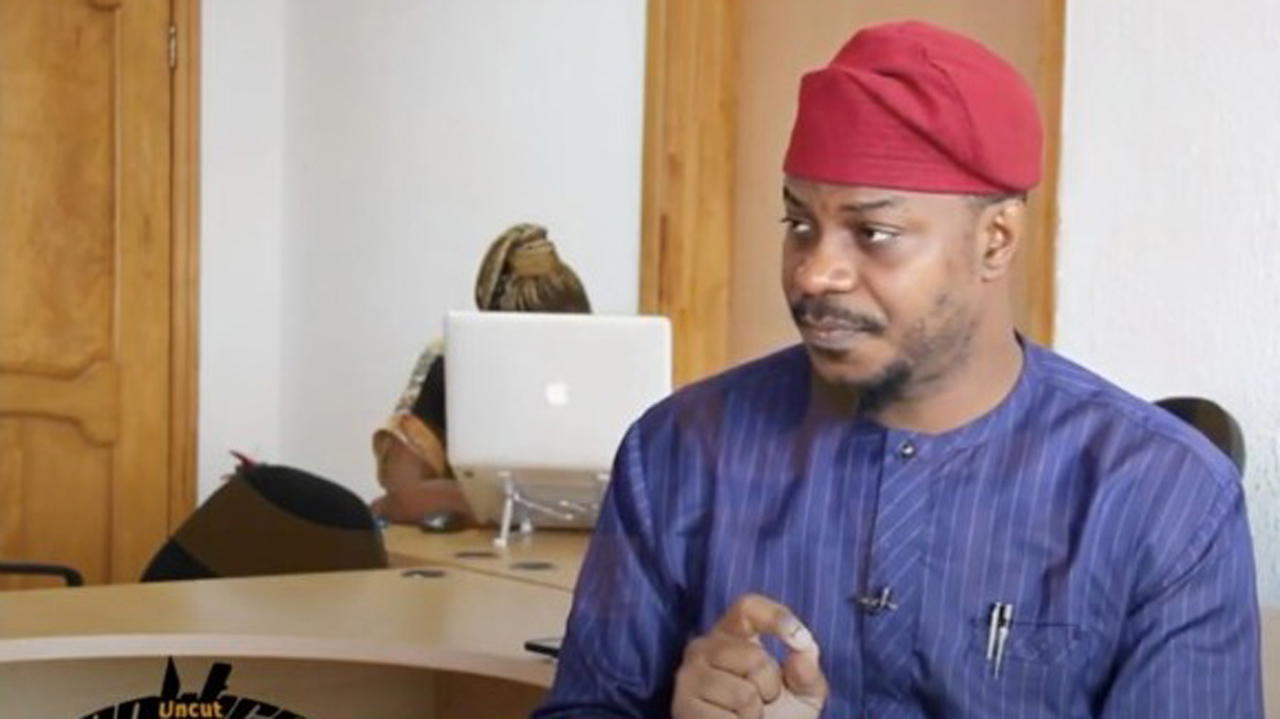
Lagos, Nigeria — Gbadebo Rhodes-Vivour, the African Democratic Congress (ADC) candidate for governor in Lagos State, stated that fluency in Yoruba is not a prerequisite for preserving the state’s indigenous culture. In a video released following his participation in The Platform, an Independence Day event on October 1, he addressed recent public comments regarding his language abilities.
During the event, an audience member inquired about Rhodes-Vivour’s plans to sustain Yoruba culture, tradition, and language in Lagos. Some attendees suggested that he respond in Yoruba instead of English. In response, Rhodes-Vivour acknowledged that he faces challenges with fluency, explaining that he often formulates his thoughts in English before translating them into other languages.
“I don’t have to speak perfect Yoruba to preserve and protect the indigenous culture of Lagos,” he said, emphasizing that effective governance remains his primary goal and that leadership can foster cultural preservation through deliberate state policies.
Rhodes-Vivour underscored his commitment to acknowledging Lagos’s Yoruba identity, noting the significant contributions of indigenous groups, such as the Aworis and Eguns, to the city’s heritage. “Lagos is Yoruba land with indigenous people contributing to creating the welcoming cosmopolitan Lagos that we know and love,” he added.
In detailing his vision for the state, Rhodes-Vivour advocated for an inclusive development strategy that honors historical perspectives while promoting progress. He expressed a desire for “a city where heritage is remembered, culture is respected, and people from different backgrounds build one future together.”
Addressing broader developmental issues, the ADC candidate criticized the current administration’s management of infrastructure, housing, flooding, and waste management. He committed to introducing policy reforms that would include the construction of 100,000 affordable housing units, the expansion of the rail system within two years, and a decentralized waste management approach engaging local governments in establishing a waste-to-wealth value chain.