Manufacturing GDP rises 3.3% to N4.13trn amid renewed optimism
Manufacturing Sector Growth in Nigeria Shows Mixed Signals
By Yinka Kolawole
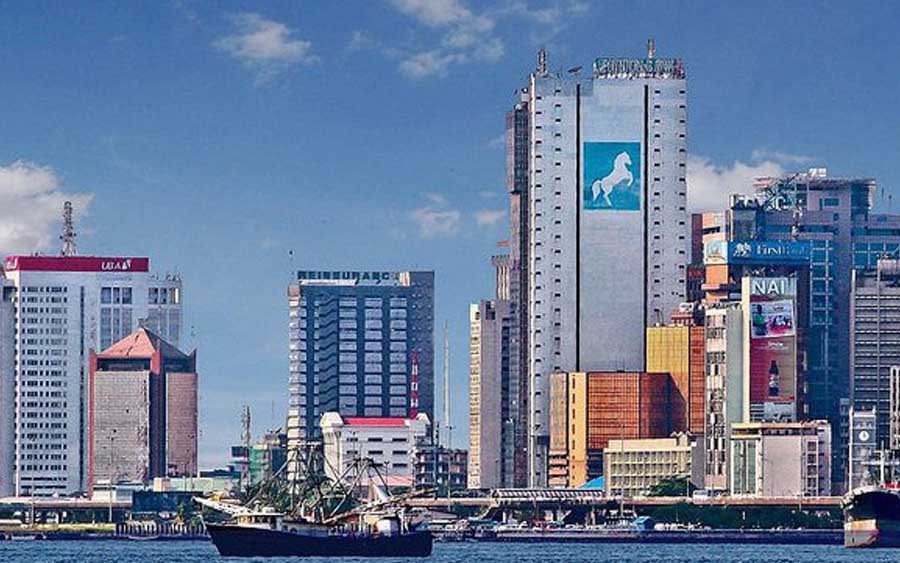
The manufacturing sector in Nigeria contributed ₦4.128 trillion to the country’s Gross Domestic Product (GDP) in the second quarter of 2026, reflecting a year-on-year increase of 3.3% from ₦3.998 trillion reported in the same period of the previous year. However, data from the National Bureau of Statistics (NBS) revealed a significant decline of 15.9% on a quarter-on-quarter basis, down from ₦4.906 trillion in the first quarter of 2026, suggesting ongoing structural challenges for manufacturers.



The Manufacturers Association of Nigeria (MAN) reported an uptick in confidence among industry leaders, with the Manufacturers’ CEOs Confidence Index (MCCI) rising to 52.1 points in Q2 2026, up from 48.7 points in Q1 2026. This increase indicates a shift towards more positive sentiment within the sector, although MAN cautioned that this optimism was largely based on expectations for the third quarter rather than current operating conditions.
While the growth statistics suggest some resilience, analysts warn that the manufacturing recovery remains delicate. The NBS data indicated a modest real manufacturing growth rate of 3.24% for Q2 2026, slightly down from 3.29% in the prior quarter.
Segun Ajayi-Kadir, Director-General of MAN, raised concerns regarding the overall industrial growth rate, which has fallen from 7.46% in Q2 2025 to 3.96% in Q2 2026. He attributed this decline primarily to a contraction of 10.63% in the electricity, gas, steam, and air-conditioning supply segment, emphasizing the detrimental impact of high costs, unfavorable exchange rates, and electricity tariffs on domestic manufacturers.
Ajayi-Kadir also highlighted a troubling decrease in the manufacturing sector’s share of real GDP, dropping from 9.57% in Q1 2026 to 7.72% in Q2 2026. “This decline points to severe cost pressures and challenges that domestic manufacturers continue to face,” he said.
Growth within the sector remains uneven. Capital-intensive industries, such as oil refining and cement, saw significant increases of 43.94% and 12.75%, respectively, attributed to enhanced domestic refining capacity and value addition. In contrast, labor-intensive segments, including textiles, apparel, and footwear, faced setbacks, contracting by 1.23%. The food, beverage, and tobacco sector, comprising 36.58% of manufacturing real GDP, experienced a modest 2.79% growth amid challenging consumer purchasing power and ongoing food inflation.
Muda Yusuf, CEO of the Centre for the Promotion of Private Enterprise, described the 3.24% growth as resilient considering the operational pressures related to energy and logistics. He pointed out that opportunities exist for productive activity to expand, with potential gains from reductions in structural costs. Yusuf stressed the importance of reforming the power sector to enhance industrial growth.
Dr. Femi Egbesola, President of the Association of Small Business Owners of Nigeria, acknowledged that while manufacturing is not contracting, its growth needs to accelerate to significantly impact GDP. High energy and production costs, exchange-rate volatility, and inadequate infrastructure continue to hinder competitiveness.
On a more optimistic note, Stanbic IBTC Bank forecasted a positive outlook for the manufacturing sector, projecting it as a potential driver of Nigeria’s economic growth in 2026. The bank’s latest Purchasing Managers’ Index (PMI) rose to 54.3 in August, marking the highest level in nearly two and a half years and signaling continued expansion in the private sector.
Muyiwa Oni, Head of Equity Research for West Africa at Stanbic IBTC Bank, attributed the PMI increase to stronger demand and improved material availability, reinforcing confidence in a robust growth trajectory for the upcoming quarter.