NESG raises fresh concern over Nigeria’s debt burden
Nigeria’s Debt Burden Draws New Concerns
By Babajide Komolafe
New concerns have emerged regarding Nigeria’s increasing debt burden, with projections for new borrowings in 2026 estimated at approximately ₦29 trillion.

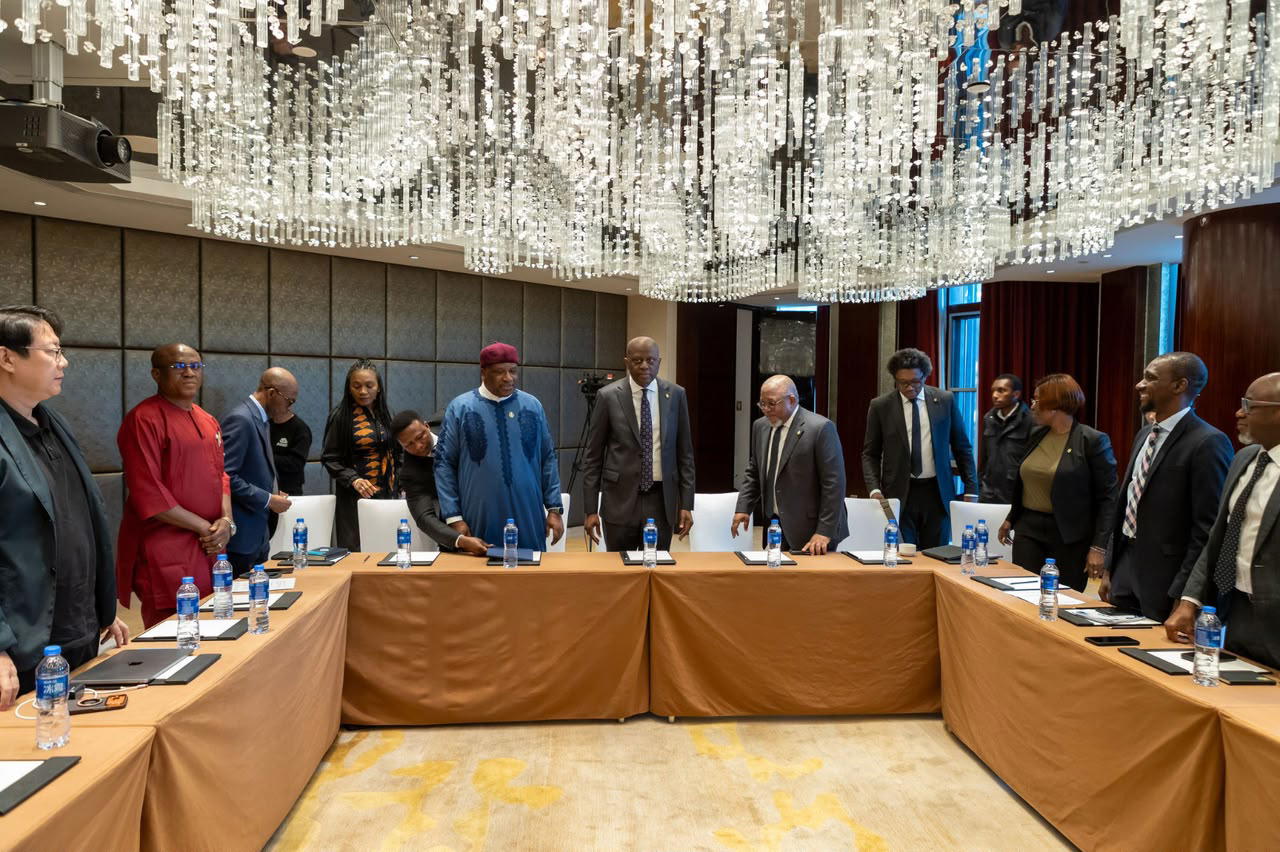
The Nigerian Economic Summit Group (NESG), a leading economic think tank, highlighted these issues in its latest Debt Burden Monitor, released on May 14, 2026. According to the report, while there may be surface-level stability, underlying fiscal pressures remain significant, as indicated by the elevated Debt Burden Index (DBI).
“Nigeria’s debt profile presents a nuanced but concerning picture as the economy transitions from 2024 into 2025,” the NESG stated. “Headline indicators suggest a degree of stabilization; however, an in-depth analysis reveals that fiscal pressures continue to be high.”
The NESG provided historical context, noting that the DBI decreased from 83.6 points in 2023 to 70.9 points in 2024, suggesting a potential easing of debt stress. However, this decrease was largely attributed to a partial alleviation of debt service pressures rather than a significant improvement in fiscal capacity.
In addition, public debt-to-GDP has risen sharply to 40.6 percent, indicating a continued reliance on borrowing to cover fiscal deficits amid structural revenue challenges. This divergence underscores the critical concern that substantial fiscal vulnerabilities persist.
The trajectory of the DBI for 2025 shows continued volatility. Quarterly estimates revealed that the DBI reached 78.4 points in the first quarter, peaked at 79.6 in the second quarter, and moderated slightly to 76.2 in the third quarter. It is projected to close at approximately 79.2 points in the fourth quarter.
“This pattern suggests that debt pressures have not structurally eased but fluctuate within a high-stress environment,” the report concluded.
As of early 2026, Nigeria’s total public debt stands at ₦159.28 trillion, including $51.86 billion in external debt, as of December 31, 2025. Analysts anticipate this figure could rise to between ₦180 trillion and ₦200 trillion in the medium term.
The federal government’s fiscal plan for 2026 includes a budget of ₦68.32 trillion, supported by a deficit exceeding ₦20 trillion, which is set to be covered by new borrowing. Actual new borrowing is projected to be between ₦17.8 trillion and ₦29.2 trillion, reflecting heightened fiscal requirements.
The 2026 fiscal outlook has faced scrutiny following the government’s revised borrowing plan, which increased to ₦29.2 trillion, significantly above the initial estimate of ₦17.89 trillion. With total expenditures estimated at ₦68.32 trillion and projected revenue at ₦36.87 trillion, the escalating deficit has renewed concerns over debt sustainability, rising debt service obligations, inflation risks, and potential pressures on private-sector credit.
Furthermore, the 2026 debt service is estimated to be between ₦15.5 trillion and ₦15.9 trillion.
The NESG’s report emphasizes that despite some indicators suggesting stability, Nigeria remains in a precarious fiscal environment.