NPA cargo throughput hits 32.38m tons, vessel tonnage up 19.5%
Nigerian Ports Authority Reports Significant Growth in Maritime Sector
By Efe Onodjae
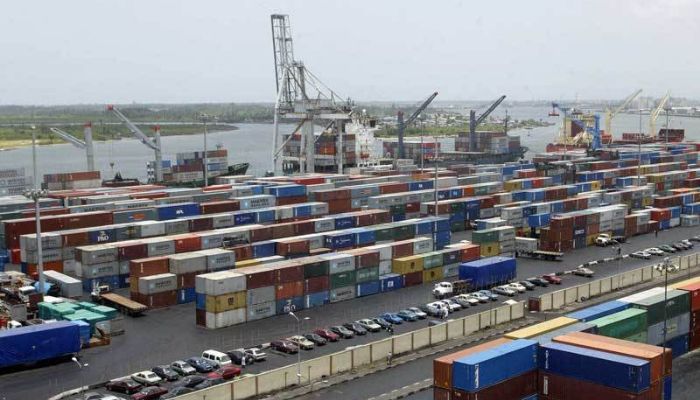
The Nigerian Ports Authority (NPA) announced a robust performance in the maritime sector during the first quarter of 2026, reporting a 19.5% increase in vessel tonnage to 46.75 million gross registered tonnes (GRT). Cargo throughput also rose, reaching 32.38 million metric tons.


In its Q1 2026 Operational Performance Review, the NPA attributed the rise in vessel tonnage to the deployment of larger-capacity vessels across Nigerian ports. This expansion was driven by enhanced port efficiency, increasing trade activities, and the emergence of the Lekki Deep Sea Port.
The NPA’s report indicates that total cargo throughput, excluding crude oil terminals, increased by 11.6% year-on-year, rising from 29.02 million metric tons in Q1 2025 to 32.38 million metric tons in the most recent quarter. The authority noted that this achievement stemmed from heightened import and export activities, improved port productivity, and sustained demand for port services.
Further analysis revealed a 23.7% growth in outward cargo traffic, which climbed to 14.13 million metric tons, indicating a boost in export activities and better integration into regional and global supply chains. Additionally, outward laden container traffic surged by 67.6%, increasing from 61,332 twenty-foot equivalent units (TEUs) in Q1 2025 to 102,803 TEUs in Q1 2026.
Vehicle traffic also saw notable growth, with the handling of vehicle units rising by 67% to 58,870, up from 35,262 units during the same period last year. The report also highlighted an impressive 83.1% increase in transshipment container activity, underscoring Nigeria’s strategic importance in regional maritime trade.
At a recent industry forum in Lagos, NPA Managing Director Abubakar Dantsoho emphasized the need for Nigeria’s port system to evolve in order to compete effectively in the continental trading environment. “The time has come for a paradigm shift in the structure of Nigeria’s economy towards the full utilization of our marine resources,” he stated. He added that efficiency and innovation will be crucial for countries seeking to dominate cargo flows across Africa in the coming years.
The positive performance occurs amidst ongoing reforms in the maritime sector under President Bola Ahmed Tinubu’s administration, which aim to strengthen infrastructure, enhance digitalization, and improve institutional efficiency. Key initiatives include the rehabilitation of the Lagos Port Complex and Tin Can Island Port, supported by a $1 billion infrastructure overhaul.
Minister of Marine and Blue Economy Adegboyega Oyetola announced that procurement processes are underway to upgrade the Warri, Port Harcourt, Onne, and Calabar ports, intending to promote balanced port development across the country.
To further enhance operational efficiency, the Federal Government is working on deploying a Port Community System and the National Single Window platform to streamline cargo clearance and reduce delays, ultimately improving transparency within the port system.