Opposition Summit: G100 proposes single 4-year transition term

G100 Proposes National Competence Government in Opposition Summit
By Omeiza Ajayi
ABUJA — The G100 has put forward a proposal for a Government of National Competence, advocating for a single four-year transition term as part of efforts to enhance cooperation among Nigeria’s opposition political parties.
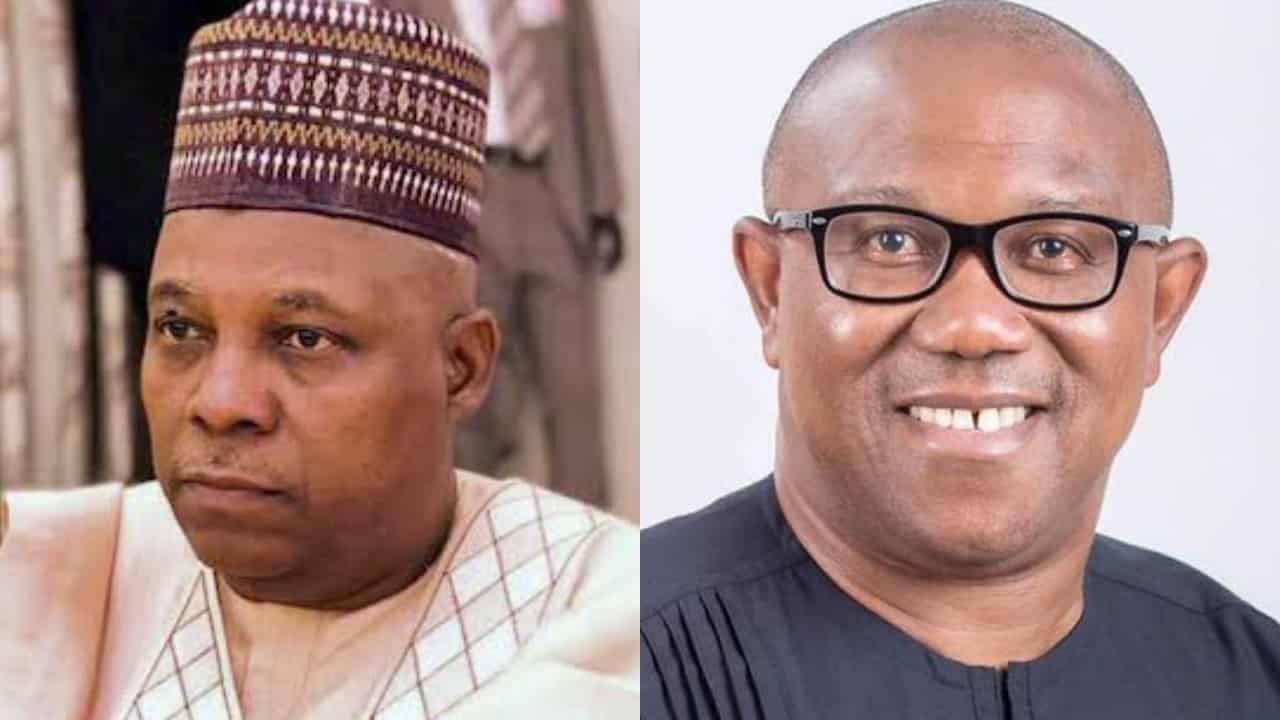
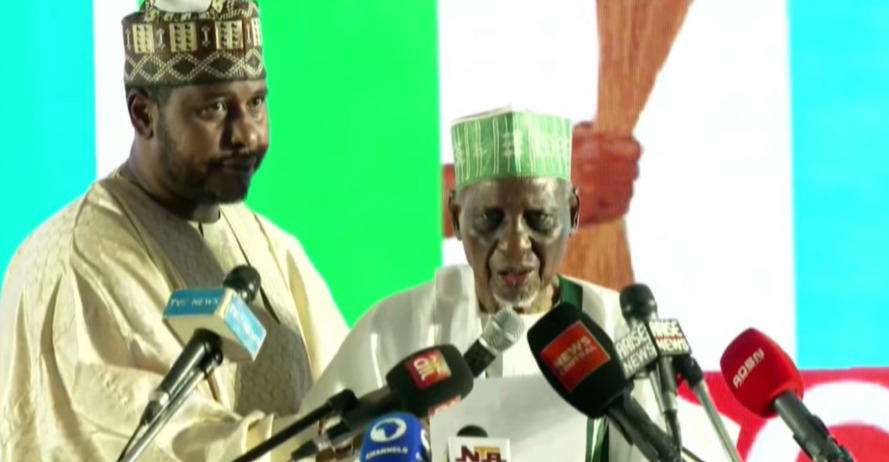
The initiative was presented by Mallam Salihu Moh. Lukman during the Summit of Nigeria’s Opposition Political Parties on Monday at the Shehu Musa Yar’Adua Centre in Abuja. The event attracted representatives from several political parties, including the African Democratic Congress (ADC), Allied Peoples Movement (APM), Nigeria Democratic Congress (NDC), Peoples Democratic Party (PDP), Peoples Redemption Party (PRP), and Social Democratic Party (SDP), along with their presidential and vice-presidential candidates and the Minority Leader of the House of Representatives.
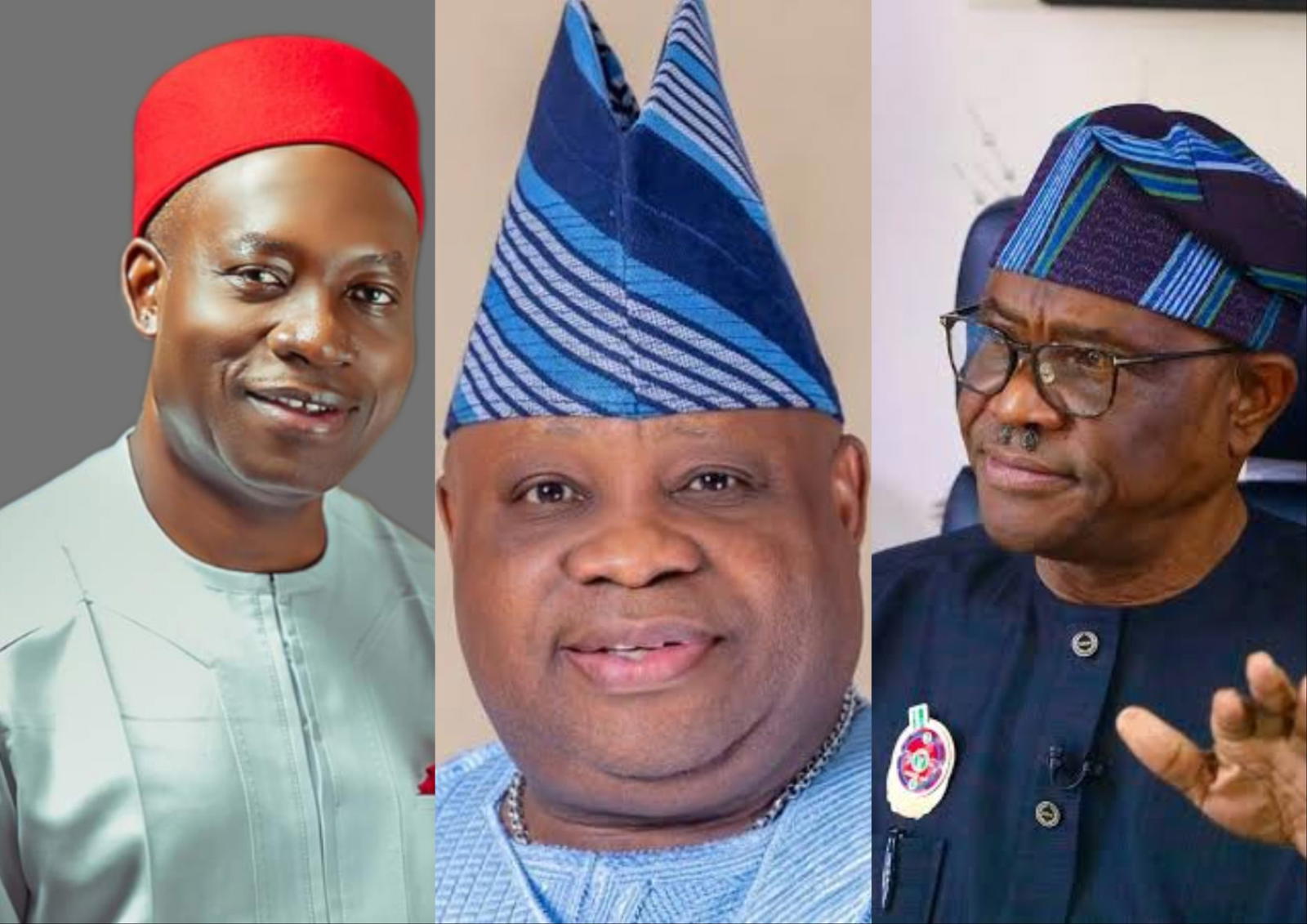
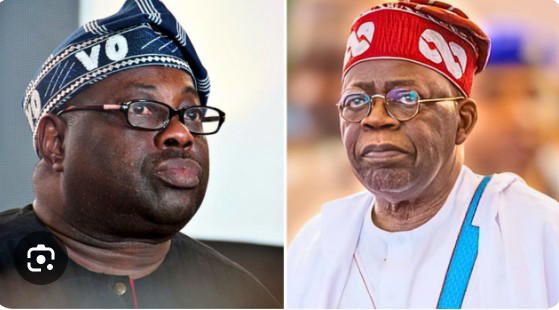
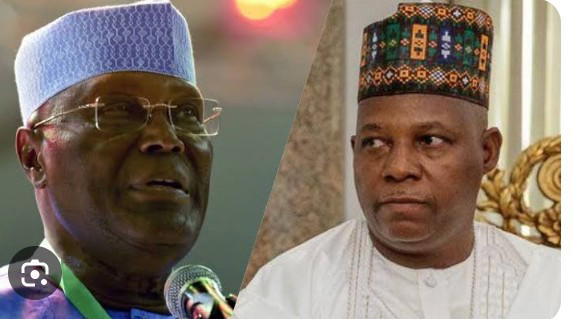
As the summit commenced, attendees included Prince Adebayo Adewole, the presidential candidate from SDP; Donald Duke, his counterpart from PRP; and Lawal Daura, the vice-presidential candidate from APM. Candidates from ADC and NDC, namely Atiku Abubakar and Peter Obi, were still expected at the time.
Lukman emphasized that the proposed government would focus on competence, integrity, national inclusion, and fair representation of all contributing parties. He stated that this framework requires a structured commitment to a single four-year term, which would be codified into an enforceable Transition Charter. “We want to underline the word ‘enforceable,’” he said, highlighting the need for concrete assurances that extend beyond verbal commitments.
Reflecting on the challenges faced by opposition parties since 1999, Lukman pointed out the divisions that plagued past elections in 2003, 2007, and 2011. He noted that a unified approach in 2015 led to victory, whereas in 2023, opposition votes were fragmented despite a combined total exceeding that of the winning candidate. “The winner took just under nine million votes, while one opposition candidate received nearly seven million, and another over six million. Thirteen million votes on one side against under nine million on the other resulted in a government formed by a minority,” he said.
To facilitate cooperation, Lukman proposed the establishment of three standing coalition bodies: a Central Leadership Committee to provide political direction; a Publicity and Communication Committee for joint messaging; and a Legal Committee to oversee legal strategies. He explained that the G100 would act as facilitators and observers in these bodies, pending the parties’ approval.
Additionally, five Working Groups are to be created, each including one representative from every participating party, tasked with drafting documents on a National Covenant for Democratic Renewal, a Single-Term Transition Charter, a National Reform Programme, a Framework for Opposition Unity, and a Roadmap to a Common Presidential Candidate. These drafts will be submitted for evaluation at a subsequent summit.
Lukman clarified that the summit does not seek to dissolve any parties or require candidates to withdraw. “It is not asking any party to dissolve. It is not asking any party to disappear into another party,” he said, underscoring that the goal is to build a collaborative framework before negotiating candidate placements.
He urged party leaders to engage sincerely in the process, warning that hidden agendas could jeopardize the coalition. “A hard line hidden this morning is a coalition that collapses later, with far greater consequences,” he cautioned.
Lukman affirmed that the G100, in collaboration with the Minority Caucus of the House of Representatives, organized the summit without endorsing any specific candidate or party. “Our only interest is that a democracy thrives not just through elections but by ensuring the credible possibility of an alternative government,” he stated.
He highlighted the everyday challenges faced by Nigerians, citing examples of individuals forced to withdraw their children from school due to rising fees or displaced from their homes. “They are entitled to a real choice presented by serious people capable of governing,” Lukman concluded.
The summit aims to generate a cohesive strategy for Nigeria’s opposition parties, with significant implications for the country’s political landscape.