Tinubu, Atiku, Obi, others: Big promises, bigger questions ahead of 2027
Nigeria’s Presidential Candidates Tackle Economic and Security Crises Ahead of 2027 Elections
By Luminous Jannamike, Abuja
As Nigeria approaches the 2027 presidential elections, leading candidates are outlining their visions to address the nation’s pressing economic and security challenges. However, key questions surrounding the financial implications of their proposals and their feasibility remain unanswered.
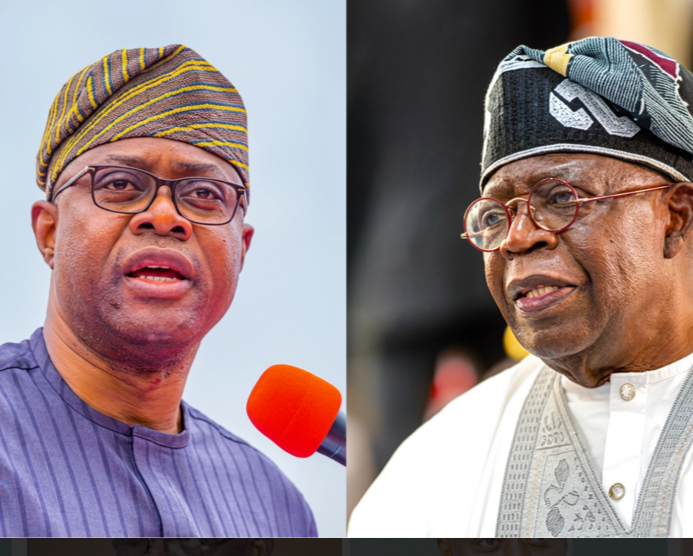
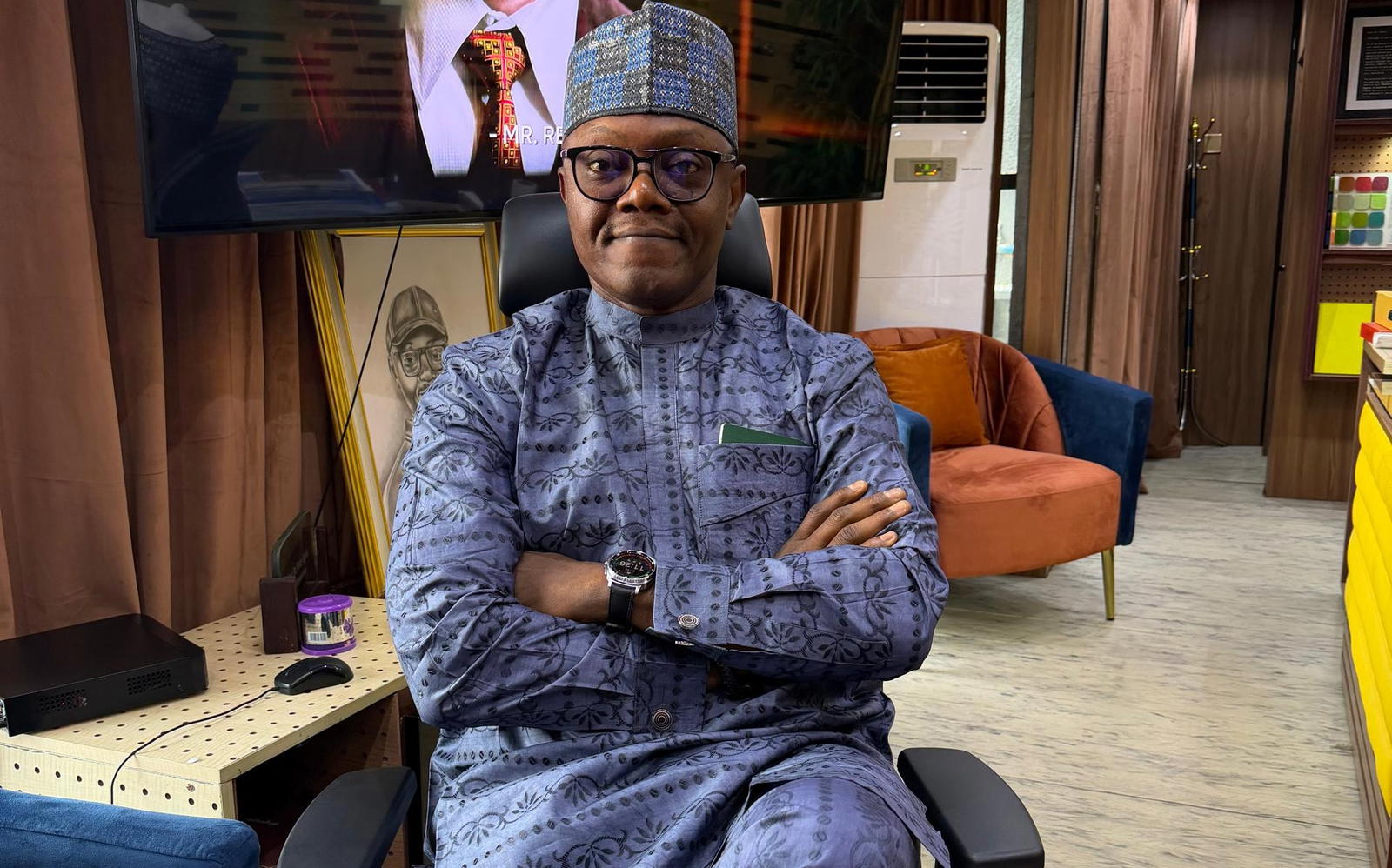
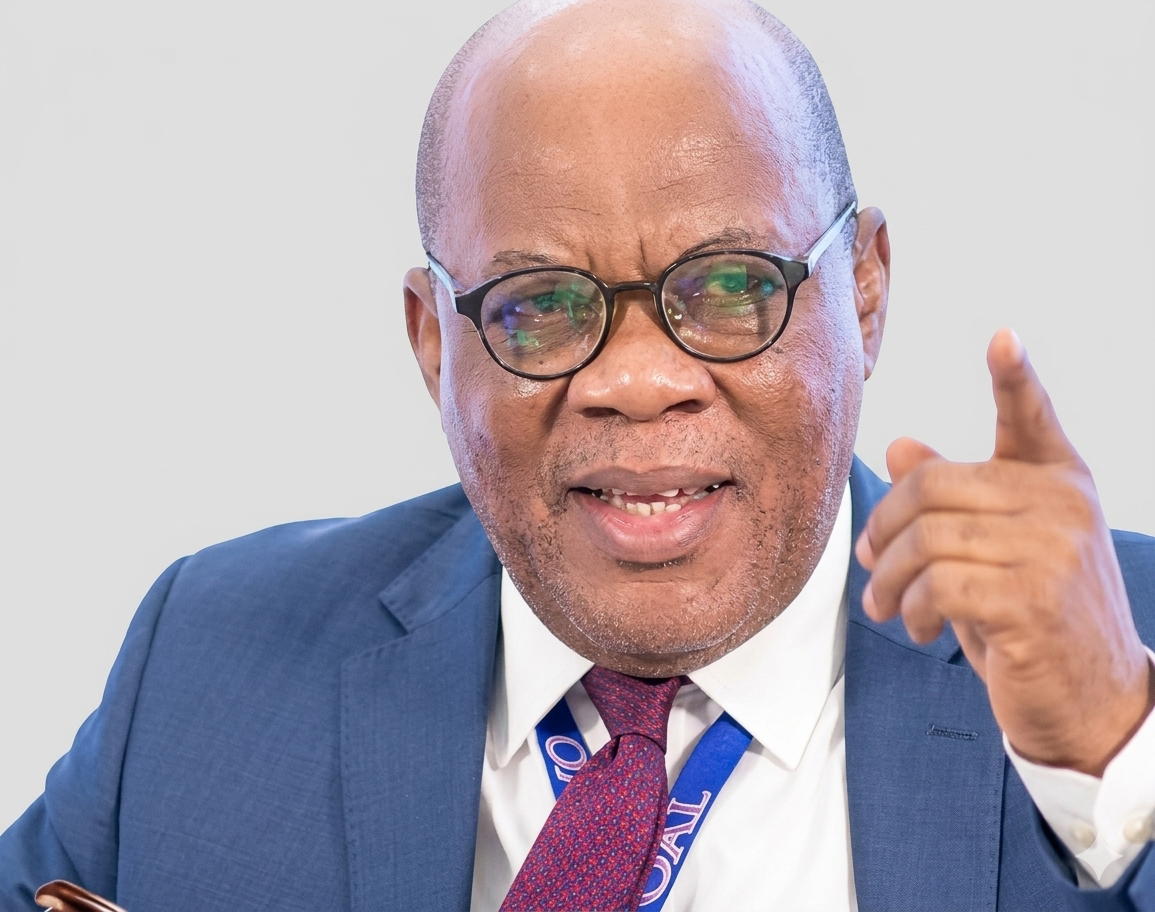
Candidates are making bold commitments, including promises of reduced fuel prices, job creation, free education, improved electricity, enhanced healthcare, and safer communities. Yet, details regarding the associated costs, funding strategies, and timelines for implementation are notably vague across their campaign materials.
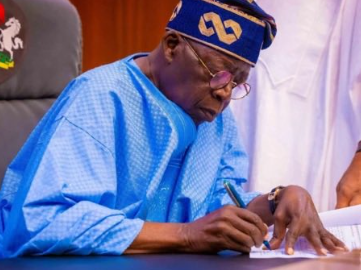
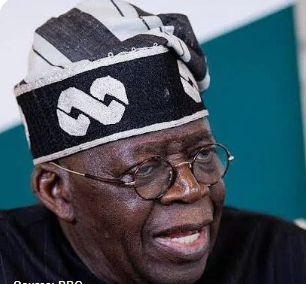
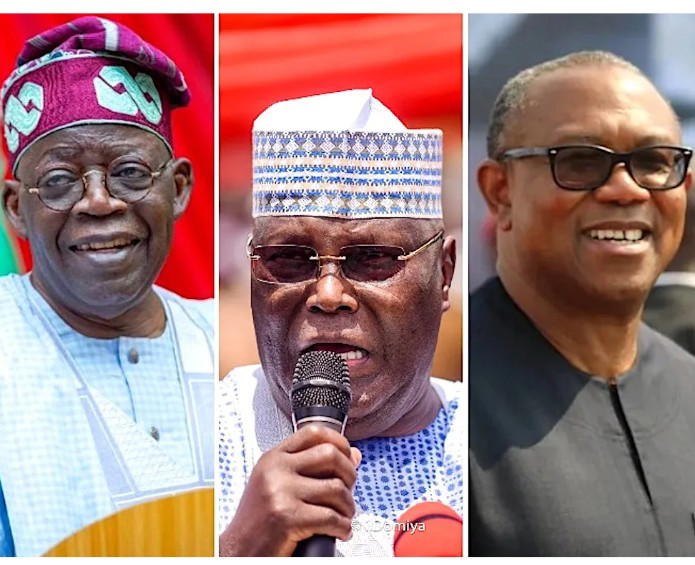
Incumbent President Bola Tinubu of the All Progressives Congress (APC) advocates for the continuation of current reforms, arguing that stability and consolidation are essential for national progress. He emphasizes the need for Nigerians to look beyond the immediate discomfort caused by adjustments, promoting the benefits of reforms initiated since 2023.
At a recent party convention, Tinubu asserted, “Continuity is essential to consolidate reform, secure progress, and strengthen the foundation of a modern Nigeria.” He highlighted the successful removal of fuel subsidies and reforms to stabilize exchange rates, asserting that such measures are contributing to an improved economic outlook.
In contrast, Atiku Abubakar of the African Democratic Congress (ADC) proposes a different direction, notably pledging to restore the fuel subsidy if elected, citing rising living costs associated with its removal. He aims to address key areas including security, education, and healthcare, but his campaign has yet to clarify how these initiatives will be funded, raising questions about fiscal responsibility.
“Immediate relief and visible action” are cornerstones of Atiku’s platform, but he faces the challenge of balancing multiple priorities without increasing fiscal burdens.
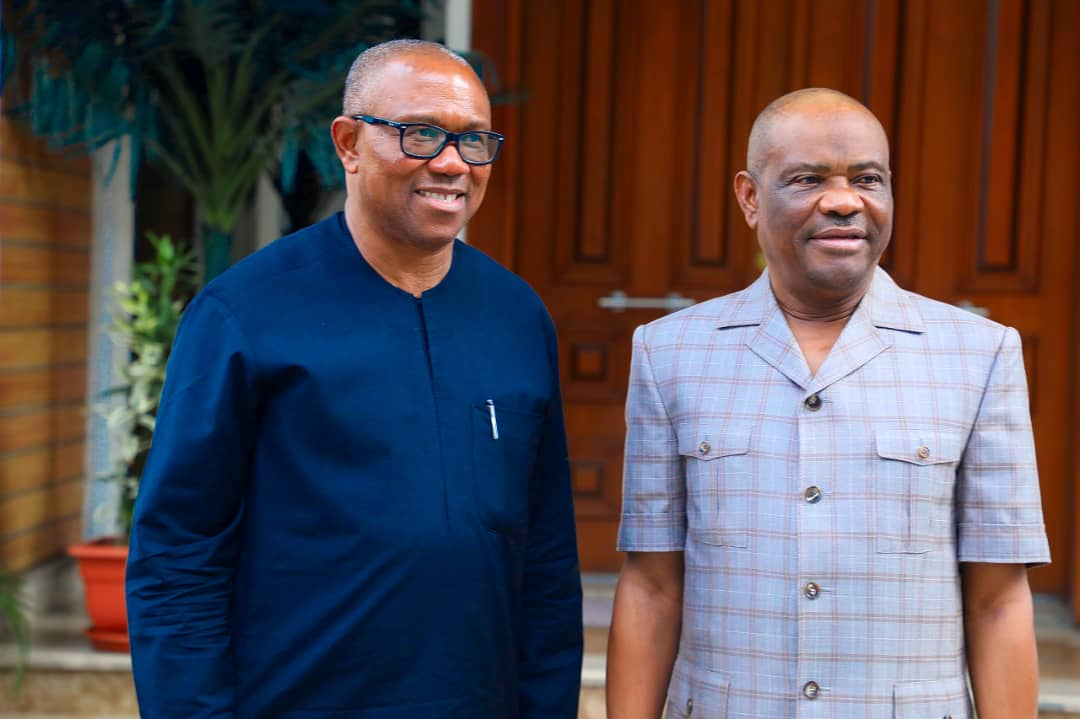
Peter Obi of the Nigeria Democratic Congress advocates for a focus on domestic production rather than consumption. His campaign calls for improvements in agricultural productivity and manufacturing, arguing that Nigeria cannot achieve prosperity through imports alone. Obi’s proposals come with significant implications for regional economic contributions and security management but lack specific targets for implementation.
Adewole Adebayo from the Social Democratic Party (SDP) places emphasis on full employment, with a goal of creating 30 million jobs through various sectors. His vision includes substantial targets for electricity generation by 2050 and calls for a security architecture that responds effectively to community needs.
Omoyele Sowore of the African Action Congress centers his campaign on education, promising free schooling from early childhood through university. His expansive education policy seeks to overhaul the system but similarly falls short on detailed financial plans to support such an initiative.
Despite their differing ideologies, the candidates converge on critical issues: security, reliable power supply, job creation, and educational reform. However, they simultaneously promise significant government interventions while advocating for fiscal discipline and accountability, illustrating a complex balancing act.
As the election approaches, the candidates face increased pressure to provide comprehensive manifestos that detail the financial, institutional, and legislative frameworks necessary to fulfill their promises. The focus must shift from grand promises to actionable plans, asking critical questions about costs, funding sources, and timelines for achieving results.
Ultimately, the effectiveness of the candidates’ platforms will be gauged not merely by ambition but by their ability to translate vision into tangible outcomes for the Nigerian populace. As expressed in the ongoing discourse, the next election cycle must be about how candidates propose to deliver on their ambitious promises, rather than the promises themselves.
For more information, visit Vanguard News.