Today’s Opposition Gathering in Abuja: The choice before presidential candidates
Opposition Leaders Gather in Abuja as Presidential Election Approaches
By Jide Ajani
ABUJA — Political leaders from Nigeria’s opposition parties convened today in Abuja, marking a critical moment in the lead-up to the 2027 presidential election. The meeting follows the Ibadan Declaration of April 2026, which, while ambitious in intent, reflects the challenges facing opposition unity amid a backdrop of political ambition.
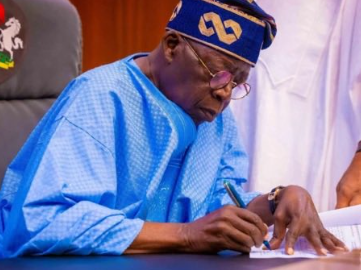
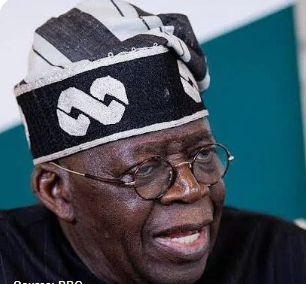
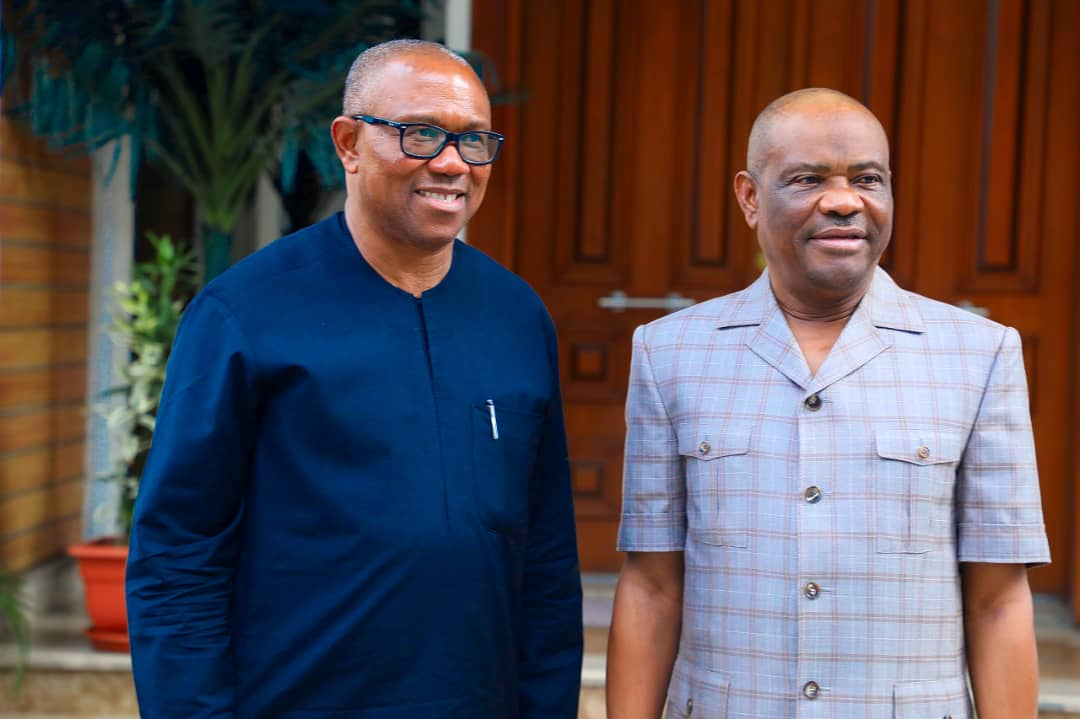
The gathering of influential political figures underscores a growing concern among opposition leaders about their collective survival against the incumbent administration led by President Bola Ahmed Tinubu. With Tinubu’s tenure now in its fourth year, characterized by promises of “Renewed Hope,” many opposition members are questioning whether they can unite effectively to challenge his administration.
The divide among opposition leaders echoes historical precedents where unity has been crucial for electoral success. In Kenya’s 2002 elections, a coalition managed to unseat the Kenya African National Union (KANU) after 39 years, aided not just by their unity but also due to internal fractures within the ruling party and public dissatisfaction with economic conditions. Similarly, in Nigeria’s 2015 elections, the opposition coalition’s victory over the Peoples Democratic Party (PDP) resulted from internal dissent within the PDP and organized mobilization efforts.
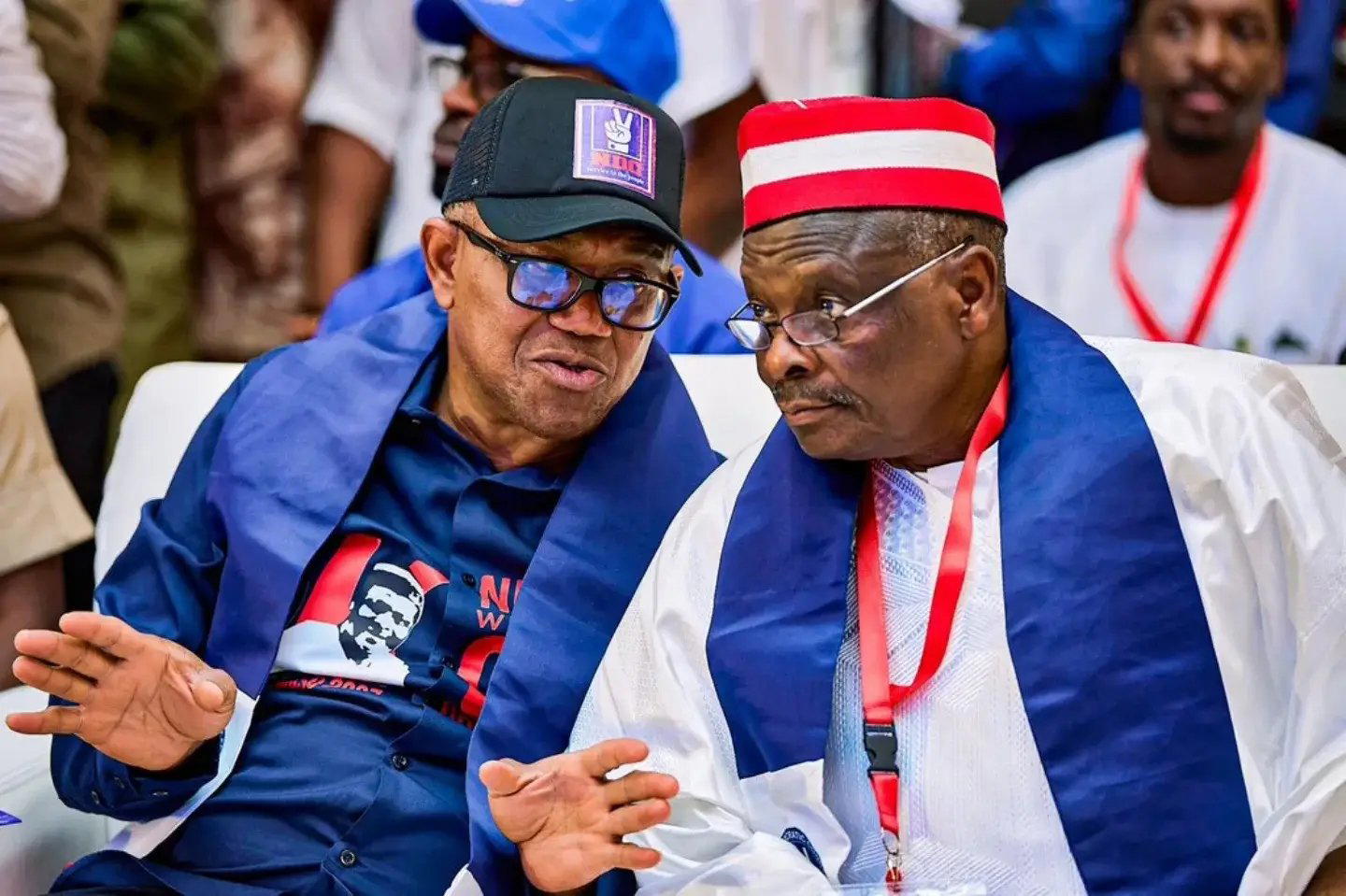
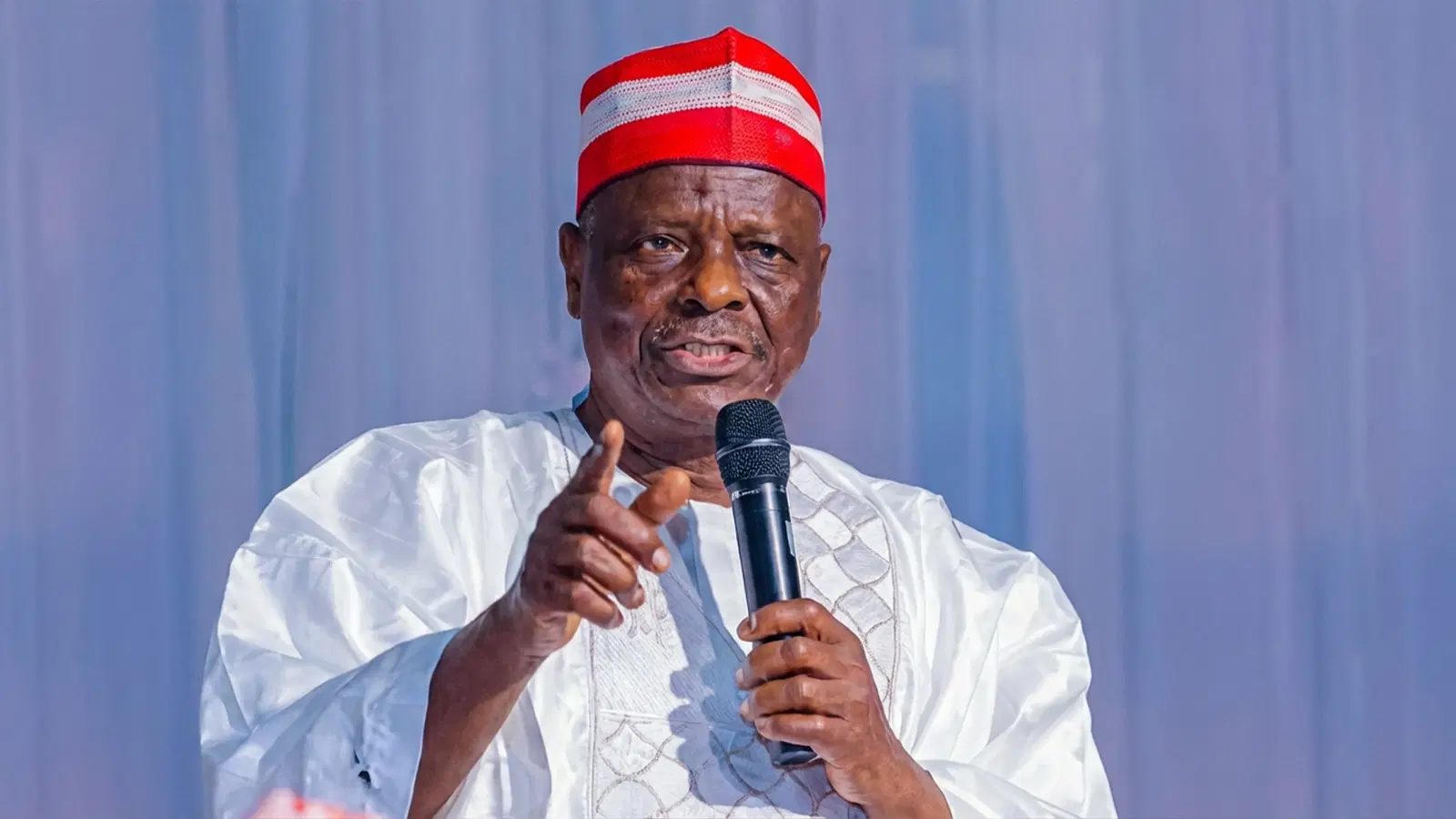
Currently, however, the opposition remains fragmented, with notable figures such as Atiku Abubakar, Peter Obi, and Seyi Makinde leading their respective factions. Abubakar, representing the African Democratic Congress (ADC), claims the presidential flag alongside running mate Rotimi Amaechi. Obi, the face of the Obidient movement, has joined forces with Rabiu Musa Kwankwaso on the National Democratic Coalition (NDC) ticket.
This disunity has prompted observers to liken the opposition’s internal dynamics to a sports team with multiple captains, each striving for individual recognition rather than a cohesive strategy. The imminent challenge is whether these leaders can prioritize collective goals over personal ambitions.
The power of incumbency remains a formidable barrier for the opposition. President Tinubu holds a strong position within the legislative branch, supported by the All Progressives Congress (APC). The party’s organizational resources and the advantages that accompany incumbency position Tinubu as a significant contender, especially amid public distrust towards the Independent National Electoral Commission (INEC) and doubts about the judiciary’s impartiality.
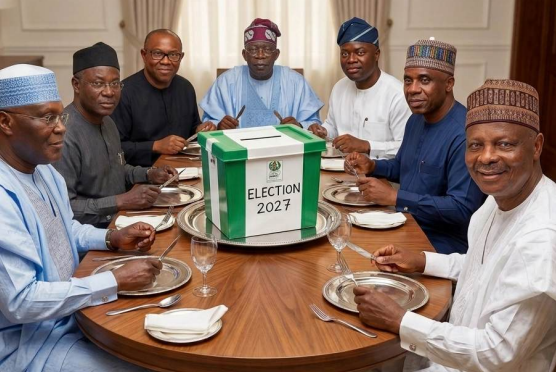
Today’s meeting, dubbed the G100 summit, aims to navigate the complexities of presidential candidacy negotiations among the opposition. Yet, questions linger regarding potential compromises among candidates. Leaders must address who will step aside for whom—a pivotal issue that previously undermined consensus efforts like the Ibadan Declaration.
Adding layers to the political landscape is the historical context of power distribution between Nigeria’s North and South, as enshrined in the amended 1999 Constitution. Given that the South anticipates a return to power after the current southern administration, the opposition’s approach must carefully balance regional sentiments with the necessity of garnering votes from both North and South.
The concept of Ubuntu—an African philosophical tenet centering on collective welfare—highlights the need for sacrifice over self-interest within opposition ranks. Historical perspectives remind us of leaders like Umaru Musa Yar’Adua, who are remembered for their humility and commitment to the collective good.
As opposition leaders convene, their ability to unify and present a leader devoted to Nigeria’s political healing remains uncertain. The challenge they face is not only the strength of Tinubu’s incumbency but their capacity to overcome internal divisions.
The outcome of today’s discussions may ultimately determine whether the gathering will be seen as a pivotal moment or an exercise in futility. The road ahead for Nigerian opposition parties will require true unity and sacrifice if they hope to challenge the entrenched power of the ruling party effectively.