2027: Atiku using subsidy promise like APC used Muslim-Muslim ticket — Fayemi
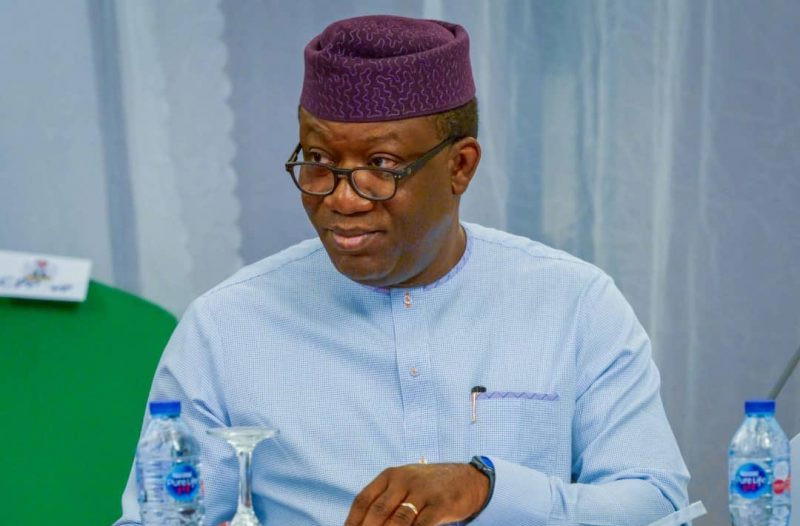
KAYODE FAYEMI COMPARES ATIKU’S FUEL SUBSIDY PROPOSAL TO APC’S MUSLIM-MUSLIM TICKET
Former Ekiti State Governor and ex-Minister of Solid Minerals Development, Kayode Fayemi, has drawn parallels between the presidential candidate of the African Democratic Congress (ADC), Atiku Abubakar’s fuel subsidy proposal and the All Progressives Congress (APC) Muslim-Muslim presidential ticket from the 2023 election.
During an appearance on Arise Television’s Prime Time on Monday, Fayemi discussed the current debate surrounding the fuel subsidy issue and Abubakar’s stance.

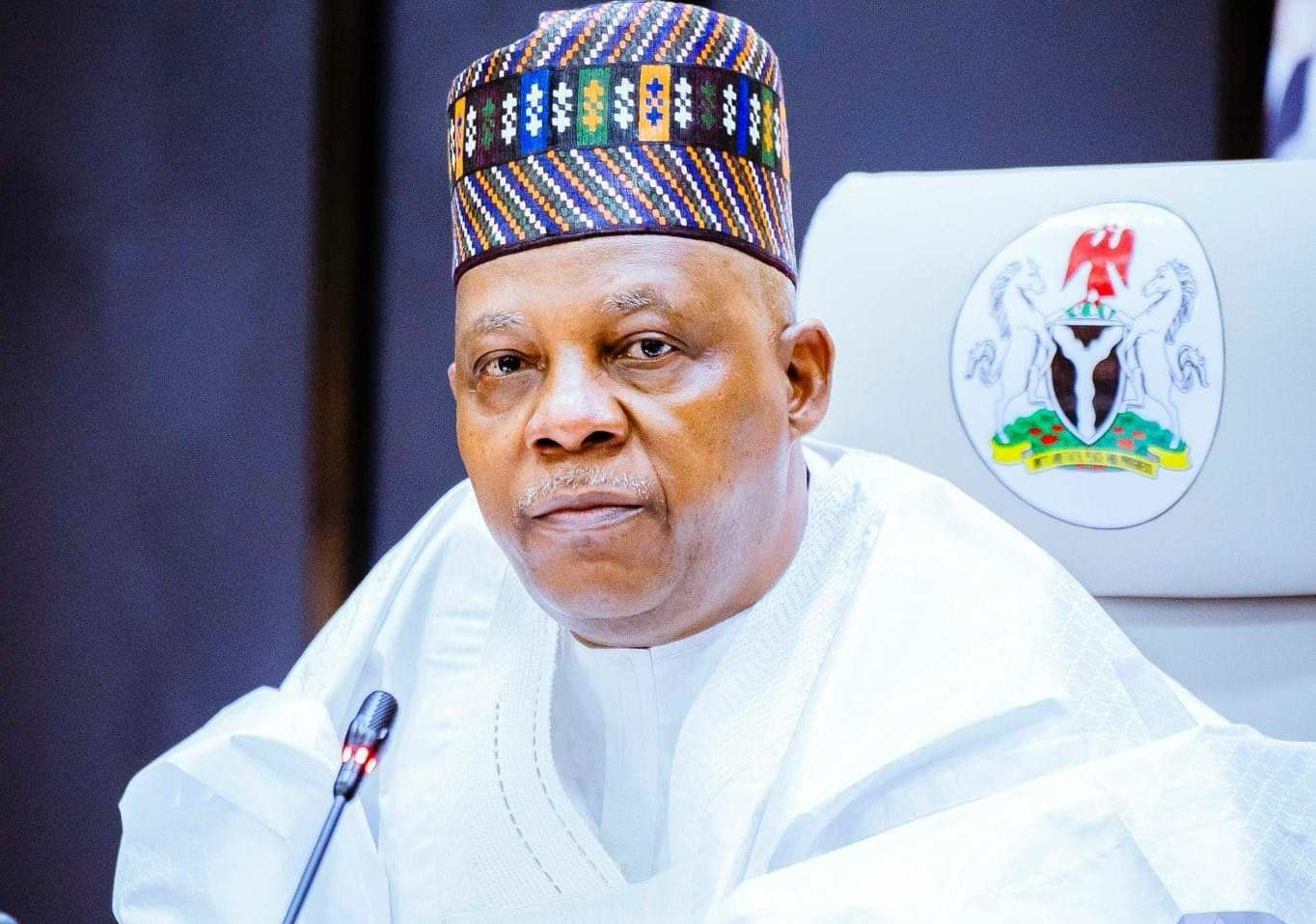
“My take on that is that Atiku’s proposal on subsidy is politically equivalent to our own Muslim-Muslim ticket in 2023. It’s a political strategy. It’s not an economic construct,” Fayemi stated.
He acknowledged that Abubakar’s proposal might resonate with Nigerians affected by the removal of the petrol subsidy, emphasizing that their primary concern lies in economic stability rather than the technicalities of subsidy policy.
“Understandably, it’s a political strategy that will sell with those who are hard done by the impact of fuel subsidy removal,” Fayemi noted.
The former governor reiterated his support for the elimination of the fuel subsidy, highlighting his advocacy for the policy over several years, including his time as chairman of the Nigerian Governors’ Forum.
“I was and I remain an advocate of fuel subsidy removal. As chairman of the governors’ forum, I spent four years in this battle,” he remarked.
Fayemi stated that President Bola Tinubu inherited substantial groundwork from the previous administration regarding the subsidy removal, although he criticized the execution of the policy.
“What President Tinubu inherited, in fairness to him, was the work that had already been completed by that administration. The only challenge I had with it was the way it was done,” Fayemi said.
He pointed out that state governors had collaborated with the Federal Government and the World Bank to develop a safety-net strategy designed to mitigate the impact of subsidy removal on vulnerable Nigerians.
“At the Nigerian Governors’ Forum, we had a committee that worked with the Federal Government and the World Bank to develop a safety net strategy addressing what would happen to the most vulnerable segment of our population,” he explained.
Fayemi indicated that the hardships impacting vulnerable Nigerians were likely the political leverage that Atiku aimed to capitalize on with his subsidy proposal.
“I believe that’s what Vice President Atiku is taking advantage of. The vulnerable segment of the population is still hard done by,” he said.
He added that many Nigerians are primarily concerned with meeting basic needs rather than the technical details of subsidy removal.
“They just want to live reasonably well, eke out a living, have one or two meals a day, and be able to send their kids to school, not be taken in by sickness or anything that might create further problems for them,” Fayemi stated.
Linking issues of poverty and inequality to national security, Fayemi argued that these factors contribute to the insurgency and banditry currently facing the country.
In conclusion, he remarked that just as the APC’s Muslim-Muslim ticket was aimed at maximizing electoral support in the 2023 elections, Atiku appears to be seeking to benefit from public discontent over the impact of subsidy removal as the 2027 election approaches.