2027: Obi is coming to stop the erosion of Nigeria’s commonwealth, NDC tells Tinubu
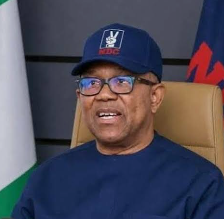
NDC Positions Obi as Candidate for Economic Reform Ahead of 2027 Election
By Henry Umoru
Ahead of Nigeria’s presidential election set for January 16, 2027, the Nigeria Democratic Congress (NDC) has asserted that its presidential candidate, Peter Obi, aims to mitigate what the party describes as the erosion of the nation’s commonwealth.
In a statement released on Monday, the NDC emphasized that Obi, alongside his running mate, Senator Rabiu Kwankwaso, is committed to addressing the disparity between anticipated benefits from the removal of fuel subsidies and the ongoing borrowing under the administration of President Bola Tinubu. The party has raised concerns over the persistently underfunded national budget amid increasing debt levels.
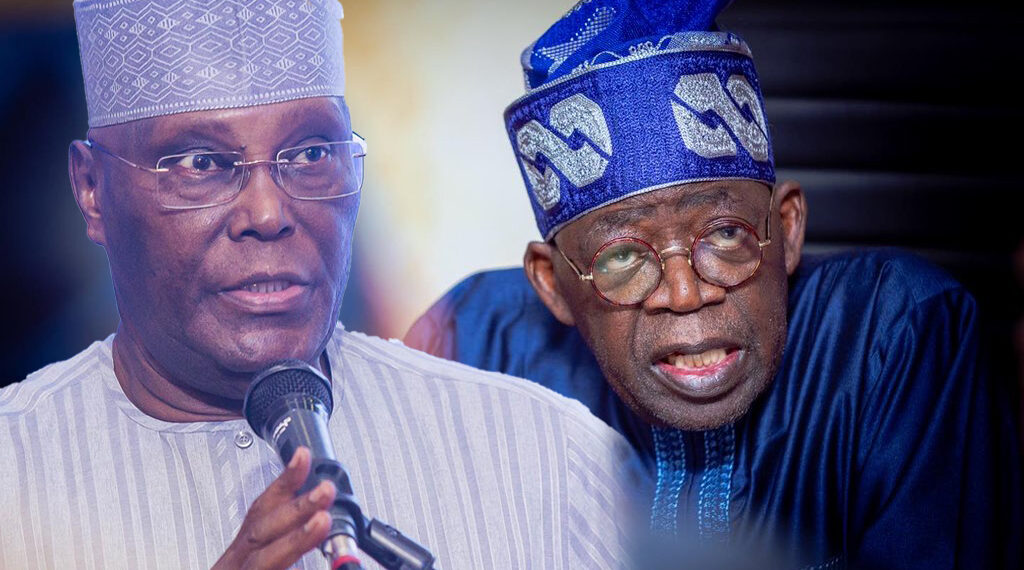

Dr. Chiogo Ikokwu, spokesperson for the NDC National Presidential Campaign Council, stated that Nigerians have a right to transparency regarding the fiscal implications of subsidy removal. He highlighted the rising debt obligations and inadequate funding for vital public services, such as healthcare and education, amidst a backdrop of increased revenue generation.
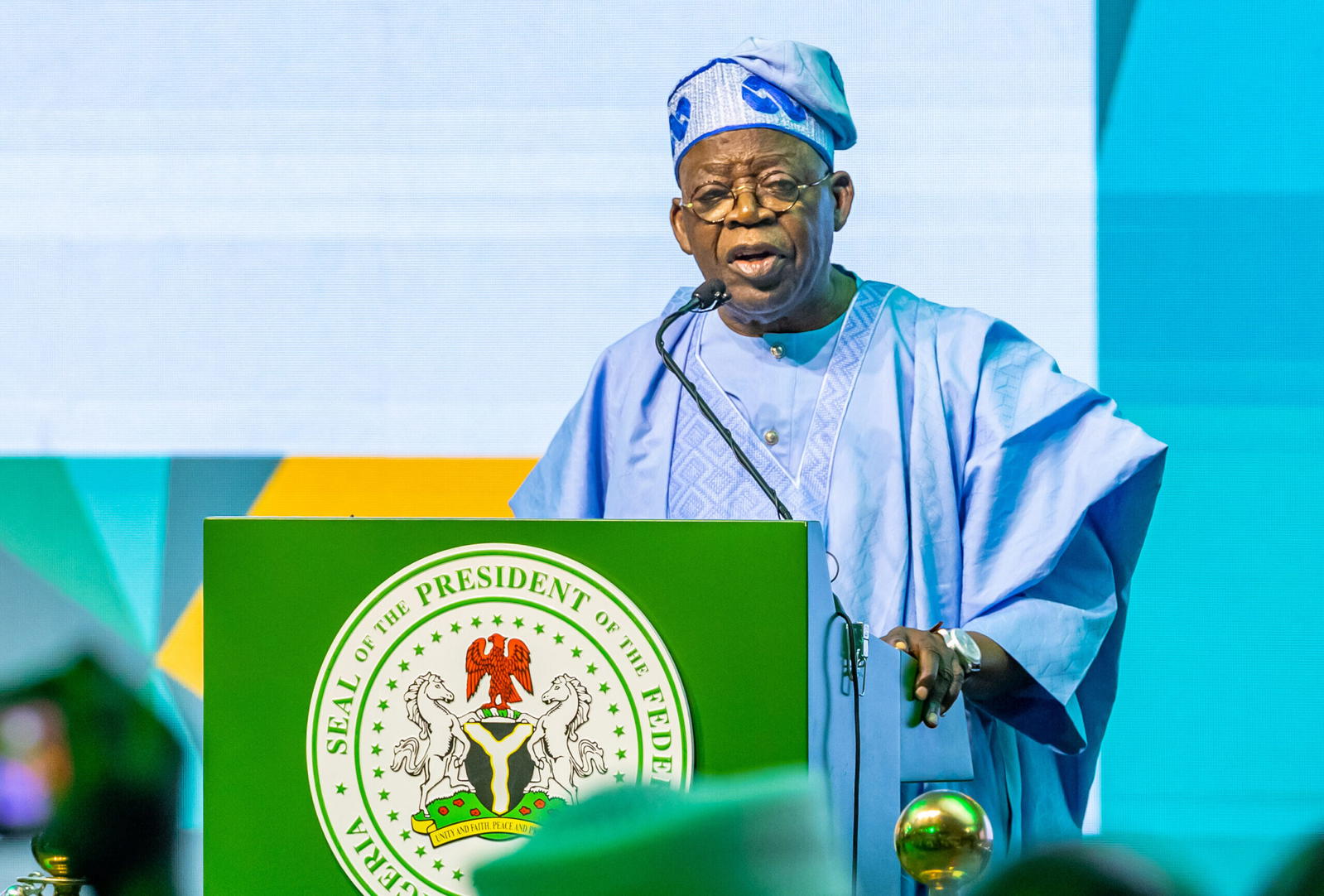
The NDC’s comments followed President Tinubu’s remarks at a campaign rally in Akwa Ibom State on Friday, where he took a veiled jab at Obi regarding his tenure as governor of Anambra State. Although he did not mention Obi by name, Tinubu remarked on the former governor’s failure to address erosion issues while touting his own efforts to manage coastal challenges in Lagos State.
The NDC responded by asserting that the Obi-Kwankwaso ticket will not perpetuate a cycle of excessive borrowing that fails to yield tangible benefits for citizens struggling with poverty, unemployment, and declining purchasing power.
“The mission of Mr. Peter Obi and Engr. Rabiu Musa Kwankwaso transcends local issues; they aim to halt the rapid erosion of Nigeria’s commonwealth,” the statement read. It underscored the candidates’ commitment to closely examining the outcomes of subsidy removal in light of the government’s fiscal practices.
The NDC also provided a comparative analysis of the financial records of Obi and Tinubu during their respective governorships. According to the party, Obi left Anambra State in 2014 with the equivalent of $500 million in investments, alongside substantial local and foreign currency reserves. In contrast, they cited figures from the Debt Management Office indicating that Lagos State’s external debt was approximately $190.43 million at the conclusion of Tinubu’s administration in 2007.
The party criticized the pension law established during Tinubu’s tenure, which grants former governors, including Tinubu himself, extensive lifetime benefits. It described these benefits as excessive and noted that a subsequent administration had to revise some provisions due to their magnitude. In contrast, the NDC claimed that Obi did not create a similar pension scheme for former governors in Anambra.
Finally, the NDC positioned the Obi-Kwankwaso ticket as an opportunity for Nigeria to transition from what they termed Tinubu’s wasteful and borrowing-dependent governance model. They advocated for prudent resource management, accountability, and a focus on improving the welfare of citizens, cautioning against the dangers of excessive borrowing and poor fiscal management historically associated with the decline of nations.