2027: SDP’s Adebayo promises solar power on every Nigerian roof within 11 months
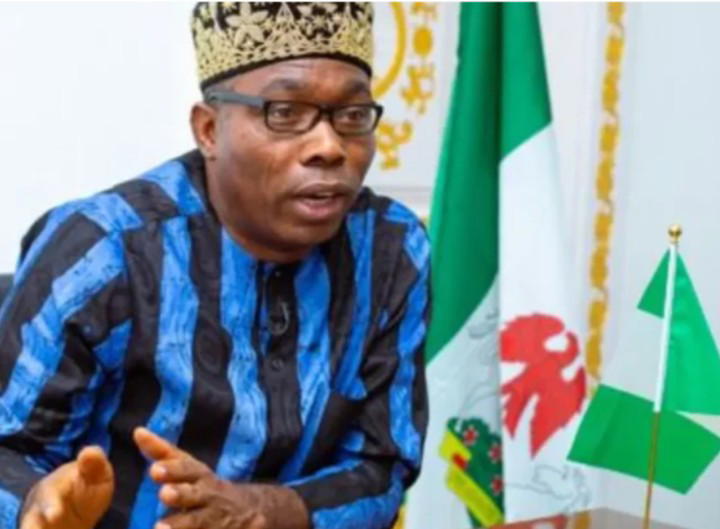
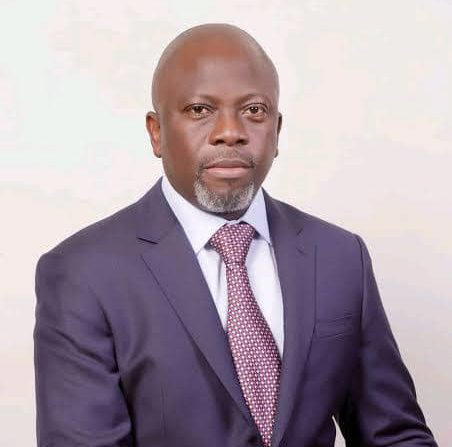
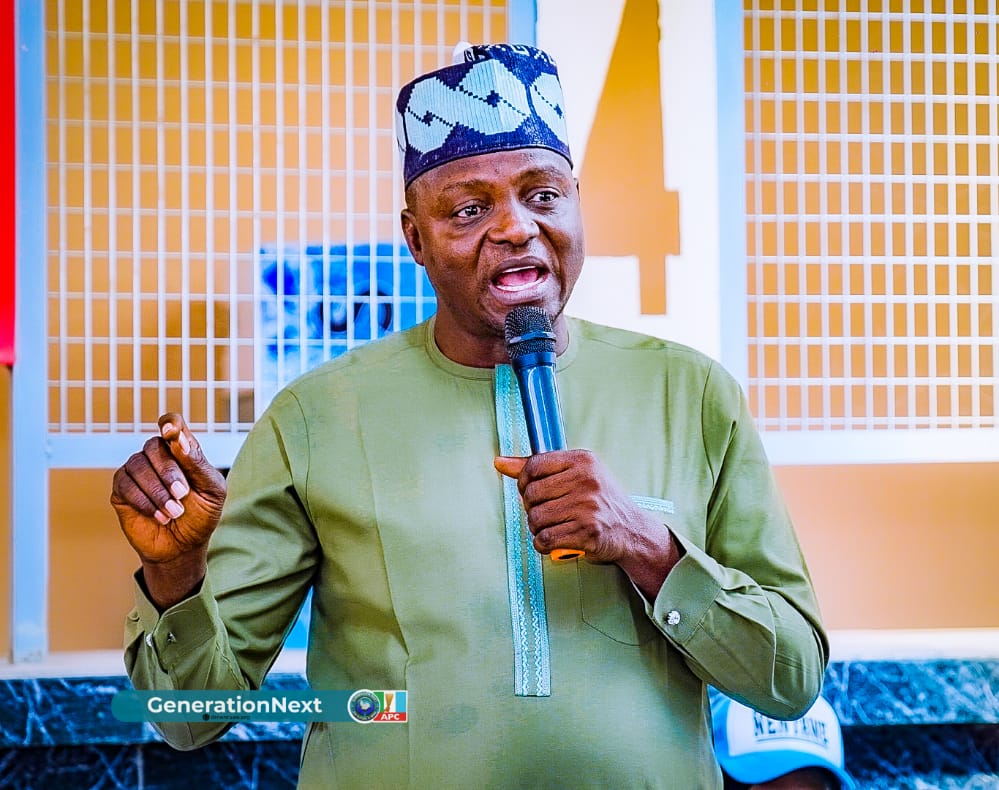
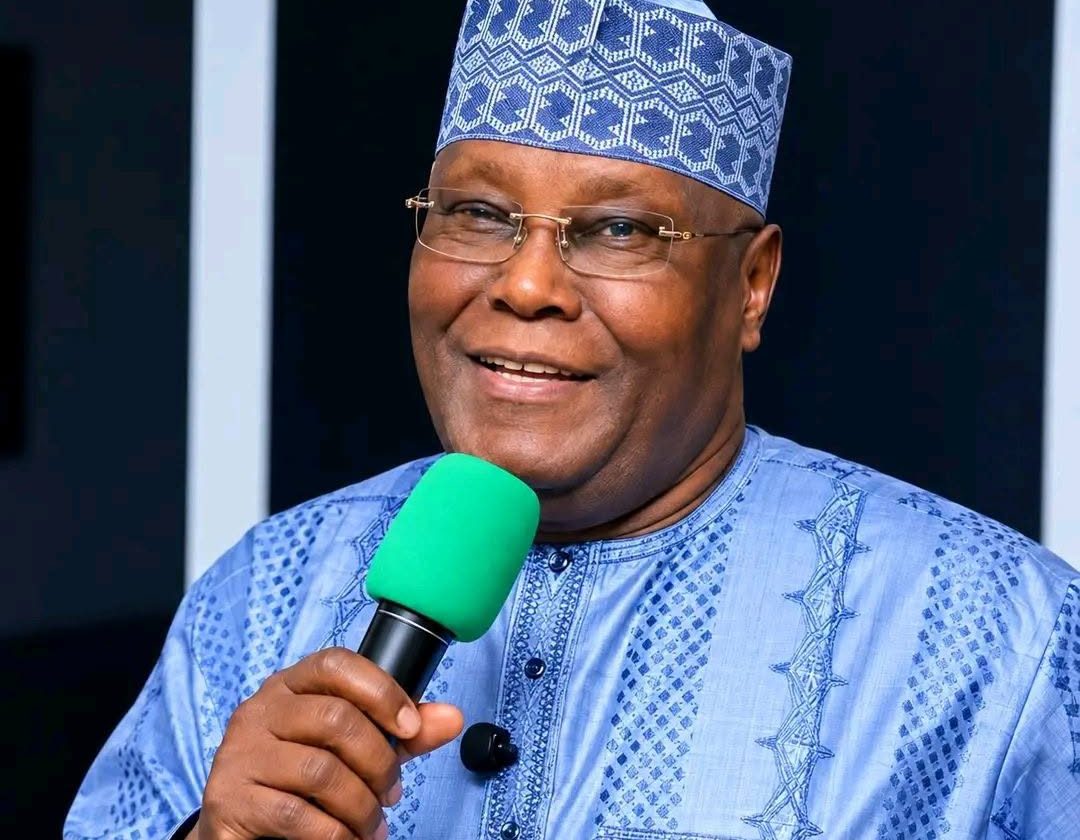
Adewole Adebayo, the presidential candidate for the Social Democratic Party (SDP), has committed to providing between 11 and 15 kilowatts of solar power for every Nigerian rooftop within 11 months of taking office, should he win the election in 2027.
Adebayo made this assertion during an interview on Arise Television’s Prime Time on Tuesday. He emphasized the development of solar-panel manufacturing plants nationwide and the training of citizens to install and maintain solar power systems.
“Our proposed solar clusters will cater to essential household electricity needs, create jobs, and potentially generate up to 32,000 megawatts,” Adebayo stated. He described the national grid as a backup system, stating, “In case a cluster fails, you will power from there.”


The SDP candidate proposed that these manufacturing facilities could be established through partnerships with countries such as China, Turkey, and India, ensuring that Nigerians would receive training to operate them.
Adebayo shared his experience in his hometown, where he conducted an experiment with solar technology and trained approximately 2,000 individuals in solar power. “I manufacture solar panels myself and work with lithium batteries. The only component I do not produce is the inverter, which I purchase,” he explained.
In addition to solar power, Adebayo also called for government investments in key sectors like aviation and manufacturing. He suggested that these investments could be implemented through operating and maintenance contracts to avoid fully privatizing the sectors.
On the issue of electricity generation, Adebayo highlighted the need for domestic refining and addressing the problem of crude oil theft, which he identified as significant barriers to energy security and economic growth. He cited estimates of up to 900,000 barrels of crude oil being stolen, arguing that recovering this oil could enhance supply without necessitating additional government expenditure.
Adebayo concluded by asserting that public investments in critical sectors such as electricity and education could not only enhance service delivery but also create job opportunities for workers in those fields.