2027: Tinubu’s team to deploy ‘visible’ projects as campaign tool
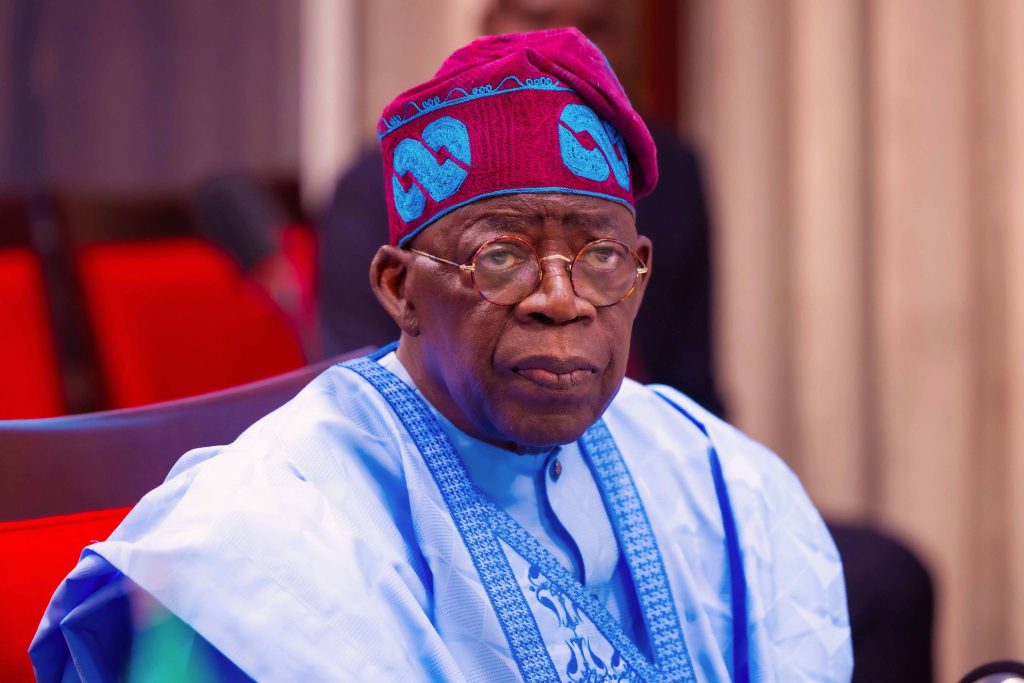
Tinubu Administration Plans to Highlight Infrastructure in 2027 Campaign
By Soni Daniel, Northern Region Editor
As the Independent National Electoral Commission prepares to signal the start of the 2027 electioneering campaigns, President Bola Tinubu’s administration is poised to adopt a strategy centered on demonstrating tangible achievements rather than extensive political rhetoric.
This approach is being implemented by a strategically organized team of political operatives who aim to showcase visible progress across the nation. The underlying message is clear: the government should be evaluated based on projects that citizens can see and experience.

A significant aspect of this campaign strategy includes leveraging the administration’s controversial elimination of the fuel subsidy as a point of strength. The aim is to reframe the subsidy removal, which has historically been viewed as politically perilous, into an asset that bolsters public confidence in the government.
A Focus on Visible Development
The communication strategy eschews traditional political messaging, opting instead for a “show, don’t tell” approach under the Renewed Hope initiative. Campaign planners anticipate that voters will respond more favorably to concrete infrastructure and social investments than to abstract promises.
In an environment where trust in political commitments has diminished, advocates for the administration contend that observable projects—such as roads, railways, and public facilities—serve as compelling evidence of effective governance. They point to improvements in federal allocations directed to states, which have facilitated expanded public works and investments in essential sectors like transportation, agriculture, education, and healthcare.
One notable project is the Kano-Maradi railway, regarded as a vital infrastructure development by the administration. Officials from the Federal Ministry of Transportation report that construction is over 60 percent complete, with the project expected to enhance regional trade by connecting key commercial centers in northern Nigeria and the Niger Republic.
State-Level Gains from Increased Federal Funding
During recent outreach efforts, state officials reported the positive impacts of increased federal allocations following the subsidy removal. In Kaduna, officials highlighted significant road construction and rehabilitation, as well as investments in educational and healthcare facilities. In Jigawa, the focus was on agricultural initiatives, including a multipurpose skills acquisition center aimed at reducing unemployment and fostering entrepreneurship.
The center provides training in various trades, including welding and renewable energy technologies, and supports small-scale enterprises.
Enhanced Collaboration Between Federal and State Governments
The recent outreach also revealed a stronger cooperation between federal and state governments, marking a shift from previous tensions. Analysts note that this collaboration may yield political benefits by aligning priorities and pooling resources to deliver visible outcomes that can be shared with the public.
For the Tinubu administration, fostering these partnerships is crucial for both governance and political strategy, creating a network of stakeholders invested in promoting the administration’s accomplishments.
Testing the Campaign Message
To refine this strategy, members of the presidential media team and Renewed Hope Ambassadors recently engaged with stakeholders and residents in Jigawa, Kaduna, and Kano states. They focused on sharing evidence of ongoing projects aimed at addressing local needs and economic growth.
In addition to the railway project, the administration has emphasized continued investments in infrastructure, including roads, railways, and airports. Efforts to bolster agricultural productivity through fertilizer distribution, irrigation schemes, and improved seed access are also underway, targeting job creation, particularly among youth.
Looking Ahead: Challenges and Opportunities
While relying on visible projects may offer a tactical advantage in upcoming elections, experts caution that the strategy’s success relies heavily on the public’s perception of meaningful improvements in daily life. Critics argue that infrastructure projects alone may fall short in addressing public discontent over inflation, unemployment, and the rising cost of living.
Nevertheless, the administration remains steadfast in its commitment to this approach, believing that sustained investment in visible development can aid in reshaping public perception and bolstering support as the 2027 presidential election approaches.