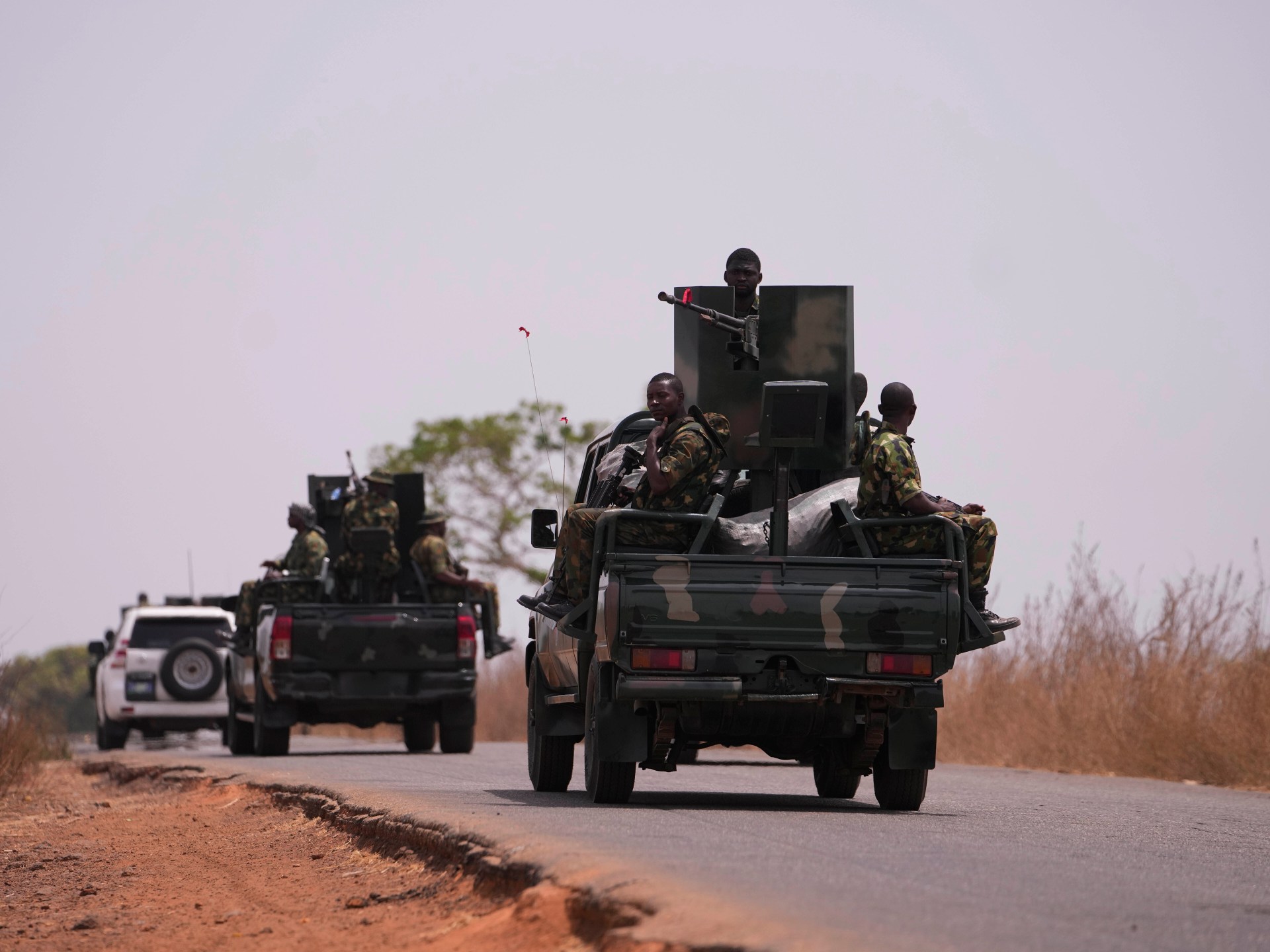
Iran war day 114: US, Iranian delegations in Switzerland for key talks | US-Israel war on Iran News

Lebanon Takes Center Stage as U.S. and Iran Engage in Talks in Switzerland
By [Your Name]
Published June 21, 2026
LAUSANNE, Switzerland — U.S. Vice President JD Vance arrived in Switzerland on Sunday for high-level discussions with Iranian officials, days after the two nations signed a memorandum of understanding aimed at resolving ongoing tensions linked to the U.S.-Israel conflict with Iran. This fighting has driven oil prices above $100 a barrel and unsettled global markets.


The talks, mediated by Qatar and Pakistan, come amid escalating violence in Lebanon, where Israeli airstrikes resulted in multiple casualties over the weekend. Reports indicate that dozens have died as fighting intensifies.
Amid this backdrop, Iran’s Islamic Revolutionary Guard Corps (IRGC) announced the closure of the Strait of Hormuz, asserting that Israel had breached a ceasefire agreement in Lebanon. The Iranian delegation, including Parliament Speaker Mohammad Bagher Ghalibaf and Foreign Minister Abbas Araghchi, has also arrived in Lausanne.
Diplomatic Efforts Underway
The discussions at Burgenstock will see Vance leading the U.S. delegation, which includes President Donald Trump’s special envoy Steve Witkoff and Jared Kushner, Trump’s son-in-law. Vance expressed hopes to advance negotiations on both the nuclear agreement and a ceasefire in Lebanon.
Ghalibaf and Araghchi aim to ensure all parties adhere to the interim deal designed to end hostilities. Esmaeil Baghaei, spokesperson for Iran’s Ministry of Foreign Affairs, emphasized that the Iranian delegation would be focused on pushing for the full implementation of U.S. commitments outlined in the MoU while seeking detailed clarification from U.S. officials.
Pakistani Prime Minister Shehbaz Sharif and military chief Field Marshal Asim Munir have also arrived in Switzerland to participate in the discussions. The Pakistani Ministry of Foreign Affairs reiterated its commitment to facilitating the agreements between Iran and the U.S.
Qatar’s Prime Minister Sheikh Mohammed bin Abdulrahman bin Jassim Al Thani is expected to play a significant role in the negotiations as tensions escalate in Lebanon.
Additionally, Egypt will host a four-way meeting of foreign ministers from Saudi Arabia, Türkiye, and Pakistan amid the U.S.-Iran talks, marking ongoing regional efforts to resolve crises through diplomatic means.
Regional Perspectives
Mohammad Mokhbar, an adviser to Iranian Supreme Leader Mojtaba Khamenei, voiced Tehran’s insistence on enforcing the agreements reached. He asserted that the U.S. must act on its commitments or risk halting the flow of Middle Eastern energy supplies.
In related developments, Al Jazeera reported from Tehran that the Iranian delegates intend to emphasize compliance from Israel as a prerequisite for moving forward with the MoU, placing the responsibility on the U.S. to guarantee adherence.
Iran’s oil sector is highlighted as a critical aspect of any future agreement, according to Oil Minister Mohsen Paknejad, who stated that it offers significant investment opportunities in the post-agreement landscape.
Situation in the U.S. and Lebanon
Back in the U.S., President Trump declared that no tolls would be imposed for passage through the Strait of Hormuz unless collected by the U.S. This statement followed the IRGC’s announcement of the strait’s closure, a critical shipping lane for global oil and gas supplies.
Trump’s technology adviser, David Sacks, defended the U.S.-Iran MoU, branding it a considerable achievement that averts prolonged conflict. Meanwhile, some Democratic leaders continue to criticize Trump’s approach to the ongoing war, with Congressman Johnny Olszewski describing it as a “disaster.”
In Lebanon, an Israeli airstrike reportedly killed five people in the village of Sohmor, among them a child and two elderly individuals. In related incidents, an Israeli soldier was reportedly killed, and 13 others injured following rocket and drone attacks in southern Lebanon.
Israeli Prime Minister Benjamin Netanyahu has mandated that troops hold fire in Lebanon, except for those engaged in active combat in specific areas, signaling a potentially delicate moment in ongoing military operations.
The situation remains fluid as negotiations unfold in Switzerland amid rising tensions in Lebanon.