Downstream deregulation delivers N6trn gain in 9 months — NMDPRA
Nigeria Gains N6 Trillion from Downstream Petroleum Reforms
By Udeme Akpan
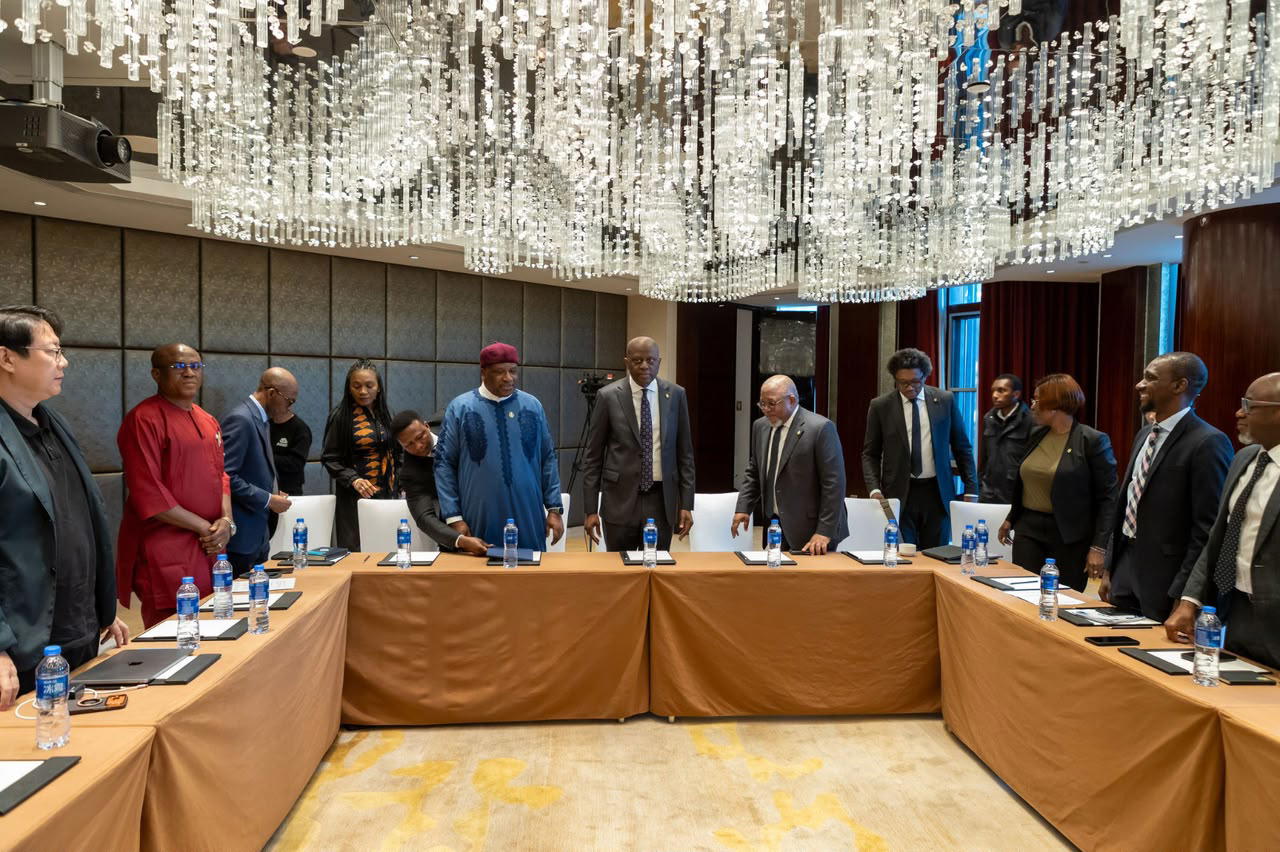
ABUJA—Nigeria has reportedly achieved an estimated N6 trillion gain from reforms in the downstream petroleum sector during the first nine months of 2025, according to the Nigerian Midstream and Downstream Petroleum Regulatory Authority (NMDPRA). This announcement was made at the ongoing Nigerian International Energy Summit.
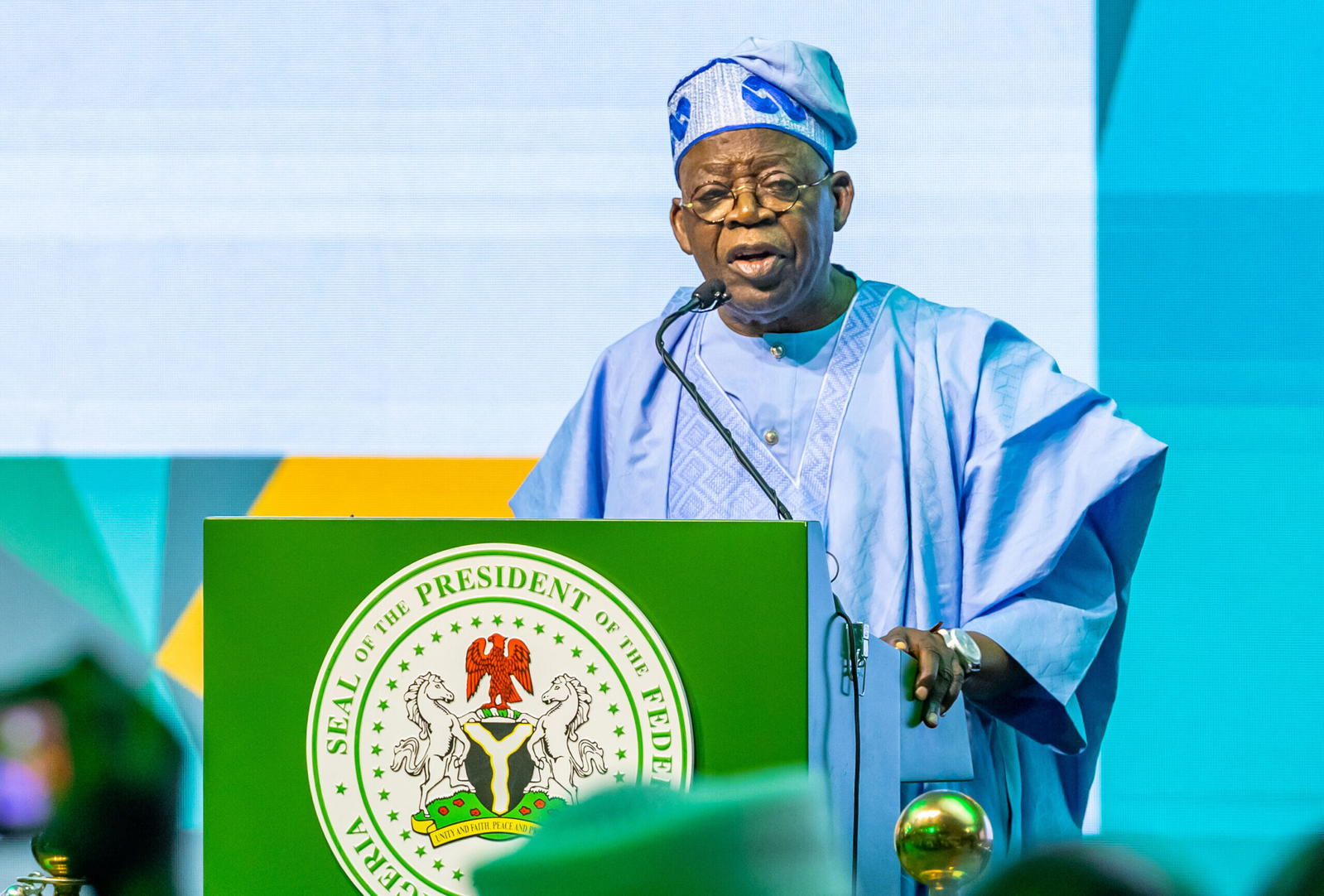

Decades of heavy reliance on petroleum product imports have caused substantial economic losses for the country. NMDPRA Chief Executive Engr. Saidu Mohammed highlighted the government’s focus on boosting domestic refining capabilities to meet 100% of Nigeria’s petroleum needs locally.
“For years, the downstream sector has faced challenges such as inadequate infrastructure and inefficient supply chains,” Mohammed stated. “However, that narrative is shifting as the sector evolves into a more market-driven environment, fostering stability and investment.”
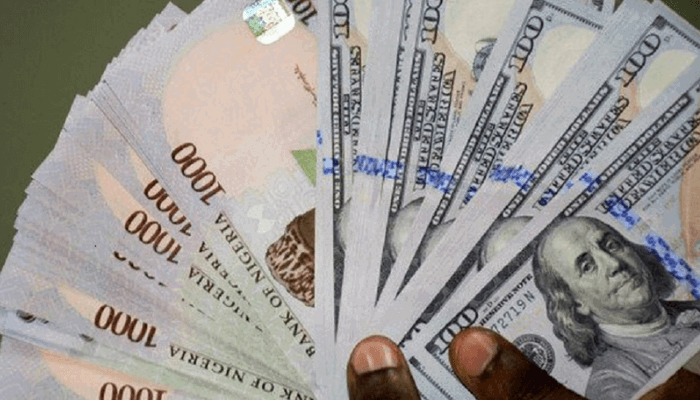
The agency attributes the N6 trillion gains to several key factors, including the full deregulation of the downstream sector, increased utilization of gas, and the sale of petroleum products in naira. Mohammed noted, “In just nine months of 2025, Nigeria has gained about N6 trillion by reducing losses that resulted from importation.”
He further emphasized that these reforms have helped conserve foreign exchange and redefined the energy sector as a net contributor to foreign exchange earnings. Mohammed also underscored the growing importance of natural gas in Nigeria’s energy landscape, identifying it as a critical element in both domestic energy supply and regional exports.
As part of the Federal Government’s Decade of Gas initiative, policies are currently being implemented to enhance infrastructure, stimulate demand, and establish a commercially-driven gas market aimed at attracting investment across the entire value chain.
“What we need is to add value to the gas we have, not just transport or export it raw,” he explained. “Nigeria should be a hub for refined gas products. There is no reason we should not be exporting urea, ammonia, and fertilizers.”
Effective regulation is crucial to maintaining investor confidence, according to Mohammed, who stated that the viability of projects must be confirmed before any permits are issued. “We cannot approve projects for approval’s sake,” he said. “Every project—even a retail filling station—must align with Nigeria’s strategic energy and economic planning.”
He acknowledged that the revival of the downstream sector cannot rely solely on public funding. Modernizing transportation methods for products is essential, with a focus on pipeline-based distribution originating from refinery hubs.
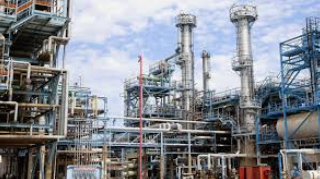
“To achieve this, we are developing a strategy that includes pipelines emanating from refinery hubs like Dangote and Port Harcourt. This will replace outdated infrastructure and realign flow directions where old corridors have become unviable,” Mohammed added.