Maritime Reforms: Nigeria’s ports record 12.3% rise in cargo throughput
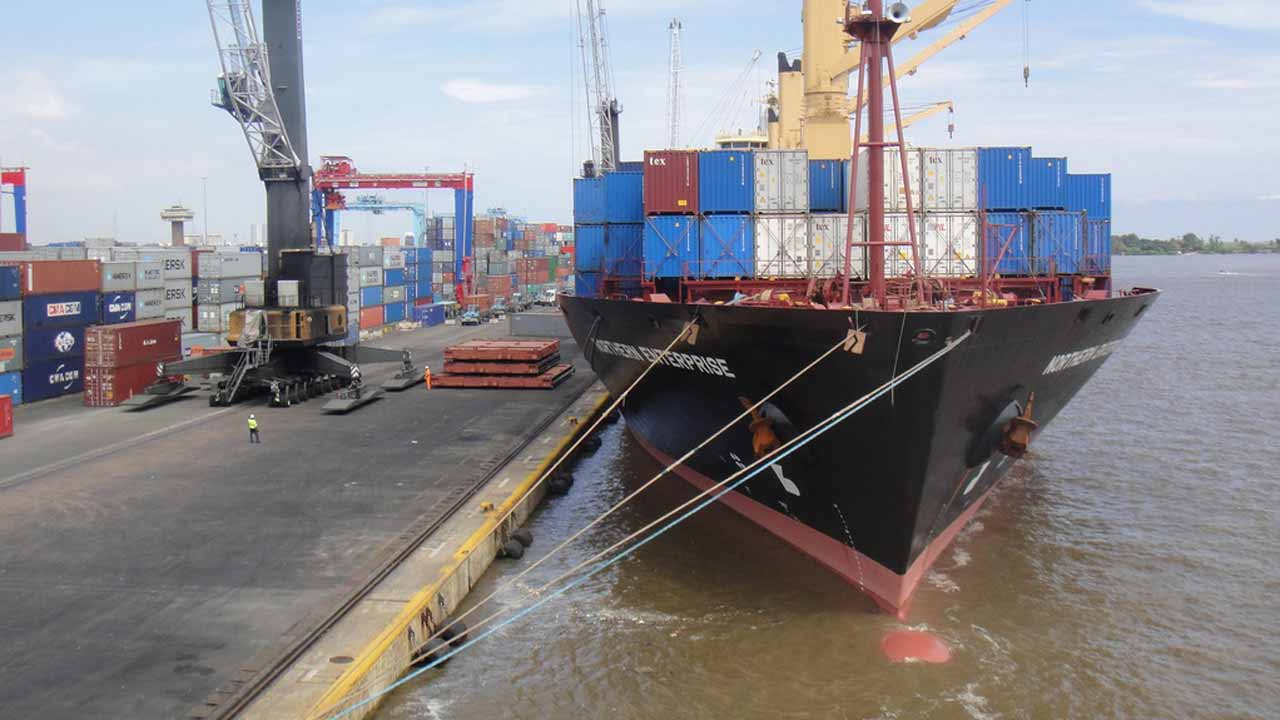
By Emeka Anaeto
LAGOS, Nigeria — The Nigerian Ports Authority (NPA) has reported notable increases in various operational metrics during the second quarter of 2026, thanks primarily to recent reforms implemented by the Federal Government in the maritime sector.
According to the NPA’s Operational Performance Report for Q2 2026, key performance indicators such as cargo throughput, vessel traffic, container movements, and vehicle traffic all showed significant growth, pointing to an overall enhancement in operational activities at the ports.



Dr. Abubakar Dantsoho, Managing Director of the NPA, remarked that the rise in cargo volumes and ship arrivals reflects the nation’s ports’ resilience and their increasing competitiveness in facilitating trade.
The report indicates that cargo throughput rose by 12.3 percent, from 31,825,592 metric tonnes in Q2 2025 to 35,740,362 metric tonnes in the same quarter of 2026. Inward cargo comprised 56.8 percent of total cargo handled, while outward cargo accounted for 41.9 percent. Additionally, transshipment cargo contributed 488,364 metric tonnes, approximately 1.4 percent of the total throughput.
The document details that inward cargo increased by 7.7 percent, while outward cargo surged by 22 percent, signaling improved export performance in the reviewed period.
The number of ocean-going vessels completed during the quarter climbed from 1,050 in Q2 2025 to 1,201 in Q2 2026, representing a growth of 14.4 percent. The Gross Registered Tonnage (GRT) of these vessels also rose significantly, from 40.87 million tonnes to 49.95 million tonnes, a jump of 22.2 percent.
Service boat operations saw a similar upward trend, with the number of service boats completed increasing by 22.3 percent, from 3,554 to 4,347. Correspondingly, the associated GRT for service boats surged by 62.4 percent, from 1.06 million tonnes to 1.73 million tonnes.
Container traffic experienced an 11.3 percent increase, rising from 541,229 Twenty-foot Equivalent Units (TEUs) in Q2 2025 to 602,392 TEUs in Q2 2026. Inward laden containers, which accounted for approximately 51.5 percent of total container traffic, rose by 6.3 percent. Outward laden containers saw a slight decline of 3.9 percent, while empty container traffic increased by 13.9 percent compared to the same period in 2025. Transshipment container traffic stood at 29,038 TEUs, a significant increase given that no transshipment was recorded during the same quarter in 2025.
The report also highlighted a growth in vehicle traffic, with 44,147 units handled in Q2 2026, up from 37,306 units in Q2 2025, marking an 18.3 percent rise.
The document notes the ongoing growth in transshipment traffic, suggesting that it positions Nigerian ports as an emerging regional hub for such activities. Dr. Dantsoho emphasized that enhancing transshipment capabilities will require continued investment in infrastructure and engagement with shipping lines.
Looking ahead, Dantsoho outlined the NPA’s key priorities for 2026, which include a comprehensive infrastructure overhaul along with digital reforms and operational efficiency improvements. He specifically pointed to the modernization of the Apapa and Tin Can Island ports, both of which are aged—Apapa approaching a century old and Tin Can over 50 years old.
The NPA is also supporting the development of the Lekki and Badagry deep-sea ports to accommodate larger vessels and is revitalizing Eastern Ports to alleviate congestion in Lagos.
“This modernization effort is crucial to enhancing technology-driven security for round-the-clock operations and improving collaboration with customs agents,” Dantsoho stated. “We aim to establish Nigeria as West Africa’s trade hub, which will result in faster operations, reduced logistics costs, increased trade volumes, and heightened export competitiveness.”