Will one-month petrol discount reduce poverty, insecurity? Obi asks Tinubu
By Nwafor Sunday, Online News Editor
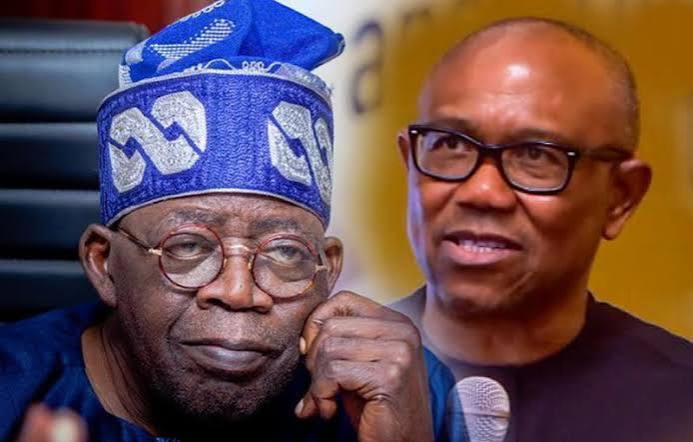
Peter Obi, the presidential candidate for the Nigeria Democratic Congress (NDC), has expressed skepticism regarding the Federal Government’s recent initiative to offer a 30-day discount on petrol prices. He questioned whether the discount would effectively reduce poverty, unemployment, insecurity, and inequality in Nigeria.
In a statement on his X platform on Sunday, Obi described the government’s approach as reactive, prioritizing political optics over comprehensive economic planning. He asserted that the discount, which amounts to less than five percent of petrol costs, is unlikely to address the broader economic challenges faced by Nigerians.
“The announcement by the APC-led Federal Government regarding a temporary petrol price discount is yet another reactive strategy that reflects a confused approach to governance endemic to the Tinubu administration,” Obi stated.
He noted that he had waited to comment on the policy to allow time for its evaluation, but emphasized that it had not shown a sustainable means to tackle the nation’s economic issues. The removal of the petrol subsidy on May 29, 2023, he argued, was executed without adequate consultation or consideration of its potential impact on the economy and the daily lives of citizens.
Obi further pointed out that the subsidy removal was accompanied by additional policies, including the floating of the naira and tax reforms, which he claimed were introduced without proper sequencing and coordination. He criticized the government’s management of multiple budgets, stating that these policies contributed to inflation and rising costs of goods and services.
He attributed the rising rates of multidimensional poverty, business closures, unemployment, insecurity, escalating inequality, and youth migration to the economic pressures stemming from these policies. Obi contended that the government’s approach had undermined the well-being of Nigerians and called for a thorough assessment of the policies’ impacts prior to implementing temporary relief measures.
The former governor of Anambra State urged for a detailed and publicly available regulatory impact assessment of government policies, arguing that such evaluations could help identify effects and facilitate necessary adjustments. A government committed to sustainable economic growth, according to Obi, should engage stakeholders and citizens in consultations to develop inclusive policies that enhance living conditions and broaden economic opportunities.
He also questioned the specific objectives of the petrol discount, asking whether it would lead to increased productivity and exports, or if it served as a trial to determine whether the subsidy should be reinstated. “Will it reduce poverty, unemployment, insecurity, and inequality? Will it increase productivity and exports? Is it a test to ascertain if the subsidy should be restored? Is it another political maneuver in light of the potential electoral challenges in 2027?” Obi inquired.
“Too many questions, no answers,” he added.