FG turns to bonds to tackle N6trn debt
Federal Government’s Electricity Subsidy Debt Exceeds N6 Trillion
The Federal Government’s outstanding debts to power generation companies have surpassed N6 trillion, according to the Nigerian Electricity Regulatory Commission (NERC). The agency’s 2025 industry report estimates the government’s gross tariff subsidy obligation will reach N1.928 trillion this year, constituting 57.44 percent of the total invoice from the Nigerian Bulk Electricity Trading Plc (NBET).
This obligation translates into an average monthly subsidy of approximately N160.69 billion, with the quarterly distribution reflecting N536.4 billion in the first quarter, N514.36 billion in the second, N458.76 billion in the third, and N418.79 billion in the fourth. The 2025 figure represents a slight decrease from the N1.949 trillion recorded in 2024.


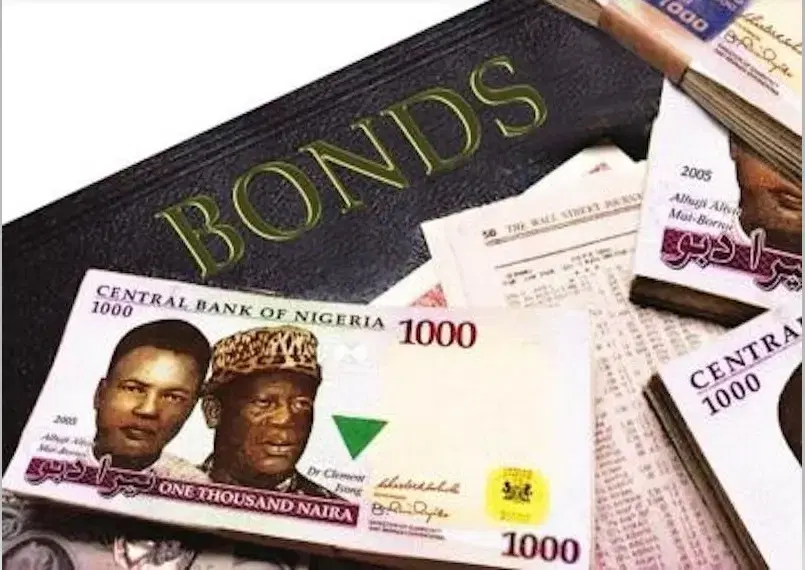
To address these financial challenges, the government has turned to the bond market, signing a N728.979 billion Series 2 bond in September 2026 as part of its N4 trillion Power Sector Debt Reduction Programme. This bond issuance aims to settle verified legacy debts owed to electricity generation companies and enhance liquidity in Nigeria’s power sector. The transaction included N402 billion in cash bonds raised from the domestic capital market and N326.979 billion in non-cash bonds distributed to participating generation companies.
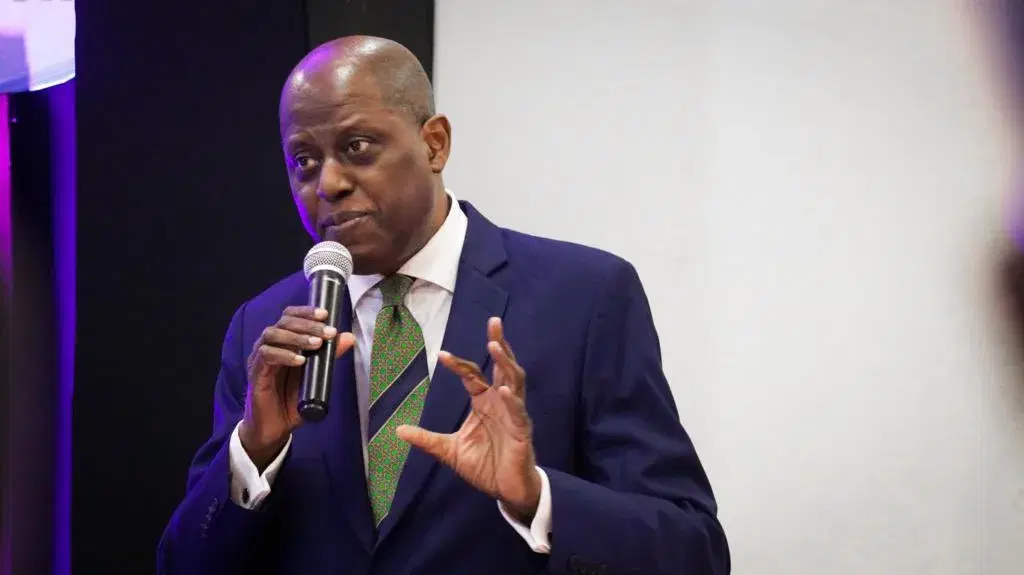
According to Akin Odeyemi, Managing Director/CEO of NBET, the accumulated debts have strained power generation companies, particularly against a backdrop of stagnant growth in power supply. He confirmed that the settlement of participating generation companies and their associated gas companies has commenced following the bond issuance.
Odeyemi described this development as a significant advancement in implementing the Presidential Power Sector Debt Reduction Programme, under the leadership of President Bola Ahmed Tinubu.
In light of these developments, Minister of Power Joseph Tegbe asserted that electricity supply has improved over the past three months, despite ongoing challenges in some regions. He noted that operational records indicated generation and transmission levels above 5,000 megawatts, a notable increase from previous months. Nonetheless, Tegbe acknowledged the necessity of sustaining these advancements to ensure reliable supplies at the consumer level.
The Minister outlined the government’s focus on three main pillars: stabilizing the value chain, restoring market discipline, and strengthening governance. Recent upgrades to infrastructure, including the restoration of the 375MW Alaoji open-cycle power plant and the installation of new transformers in Lagos and Abuja, aim to bolster transmission capacity.
Additionally, the government is progressing with efforts to diversify the energy mix, particularly by investing in solar power installations across the country. The Rural Electrification Agency has partnered on 62 solar and mini-grid projects, providing about 43.6 megawatts of installed solar capacity and connecting over 41,000 households.
Despite these initiatives, Dr. Lanre Babalola, Special Adviser to the President on Power, indicated that significant reforms in the power sector remain incomplete. He emphasized the need for a system capable of reliably converting available capacity into dependable electricity and promoting sustainable investment.
Concerns over the value provided to consumers remain prominent. Lawyer and power sector consultant Bode Fadipe argued that Nigerians have been “paying for darkness,” highlighting the inadequacy of investments in the sector. He urged for more stringent enforcement of investment directives by NERC to ensure that distribution companies allocate revenue for infrastructure improvements.
Consumer advocate Chief Princewill Okorie echoed these concerns, emphasizing the need for enhanced consumer protection measures. He criticized issues such as estimated billing and inadequate infrastructure, calling for a dedicated consumer protection unit within the Federal Ministry of Power. Okorie also questioned the legitimacy of claims regarding government subsidies, noting that electricity consumers often bear the cost of essential infrastructure.
As the government’s initiatives continue to unfold, stakeholders within the power sector express the need for ongoing evaluation and reform to address the underlying challenges affecting electricity supply and consumer satisfaction.