Alleged Corruption: Atiku mocks Presidency’s China comparison, warns it cuts both ways
By Omeiza Ajayi
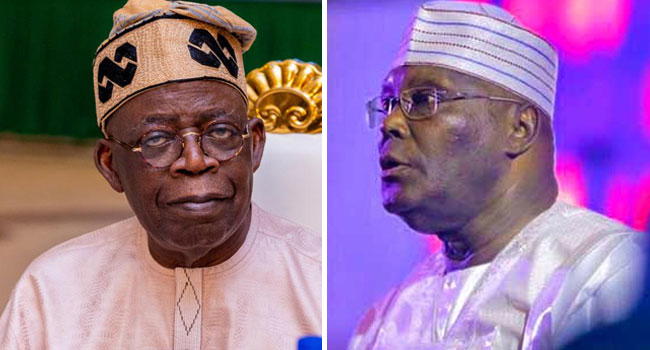
Atiku Abubakar, the presidential candidate for the African Democratic Congress (ADC), has responded critically to the Nigerian presidency’s recent comparisons with China. He contends that such parallels have heightened scrutiny of President Bola Tinubu rather than undermining him.
In a statement released by his Senior Special Assistant on Public Communication, Phrank Shaibu, Abubakar asserted that using China as a benchmark inadvertently subjects the president to standards he cannot meet.
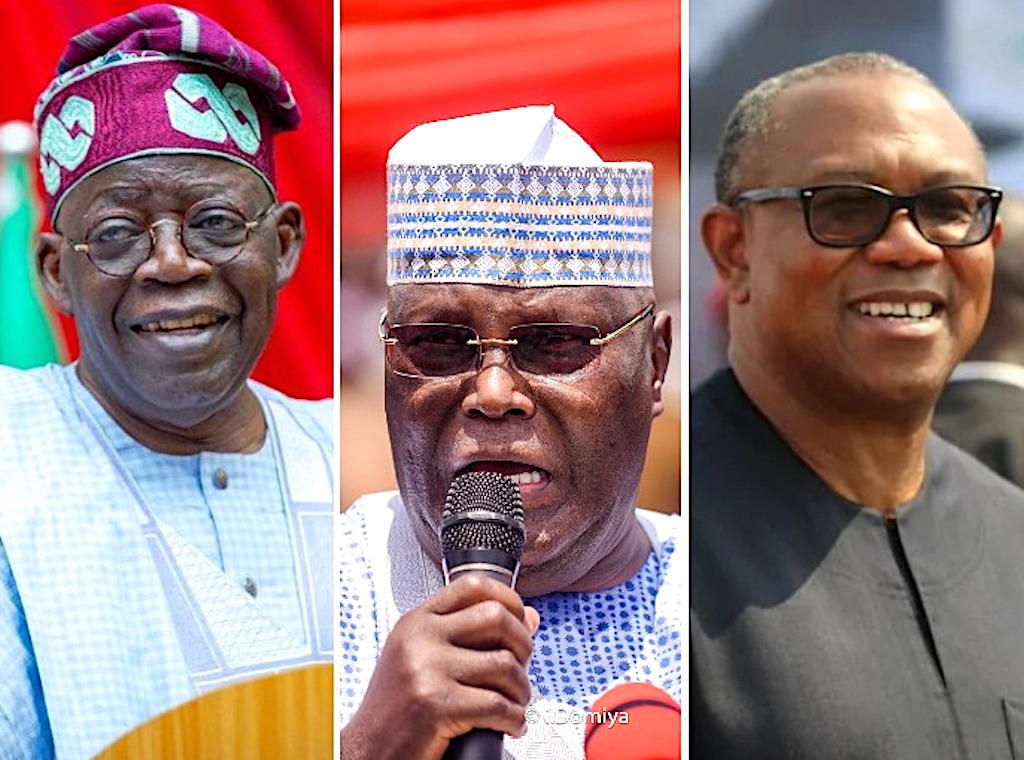

“It takes a peculiar kind of unintelligence for a spokesman to set out to drag an opponent before a hypothetical Chinese court, only to end up dragging his own principal into the dock,” Shaibu quoted Abubakar.
Abubakar emphasized that capital punishment is the maximum penalty for serious drug trafficking offenses under Chinese law and noted that he has never been indicted or convicted of any crime, including corruption or narcotics offenses in Nigeria. He described this as a matter of established public record.
Rather than view the comparison as a threat, Abubakar invited the presidency to apply it to a $460,000 forfeiture to the United States government related to allegations of narcotics trafficking and money laundering. He suggested that Chinese authorities would likely regard such a forfeiture as an impetus for further investigation, rather than as a resolution.
Abubakar extended his critique to various aspects of the current administration, arguing that Chinese standards of accountability would implicate the government in issues ranging from a national budget he described as inflated with questionable appropriations to unresolved allegations against a presidential aide concerning the creation of a fraudulent government agency. He also mentioned the disparity between the government’s “Renewed Hope” promise and the hardships reported by many Nigerians.
He characterized the situation as indicative of the presidency’s ineffective messaging, asserting that a media adviser should protect their principal from political missteps rather than cause them. He dismissed the presidency’s earlier reliance on a U.S. government response to diplomatic correspondence as mere routine exchanges among sovereign states, devoid of judicial implications.
Abubakar concluded by stating that once accountability is invoked in reference to another country’s laws, it must be applied consistently.