Atiku, Obi excited as FG suspends planned increase in WAEC, NECO registration fees

Nigeria’s Federal Government Suspends Proposed Increase in Examination Fees
By Joseph Erunke, Omeiza Ajayi & Elizabeth Osayande
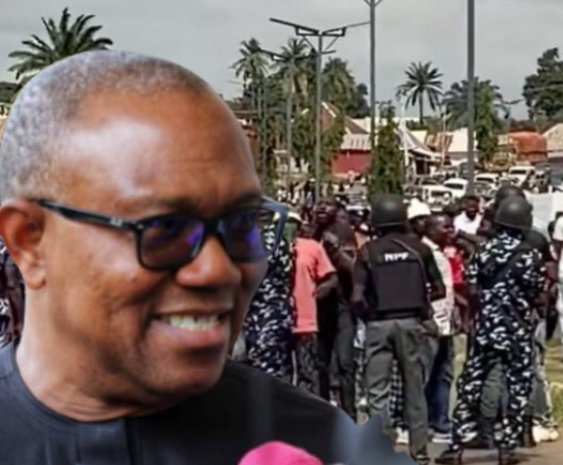
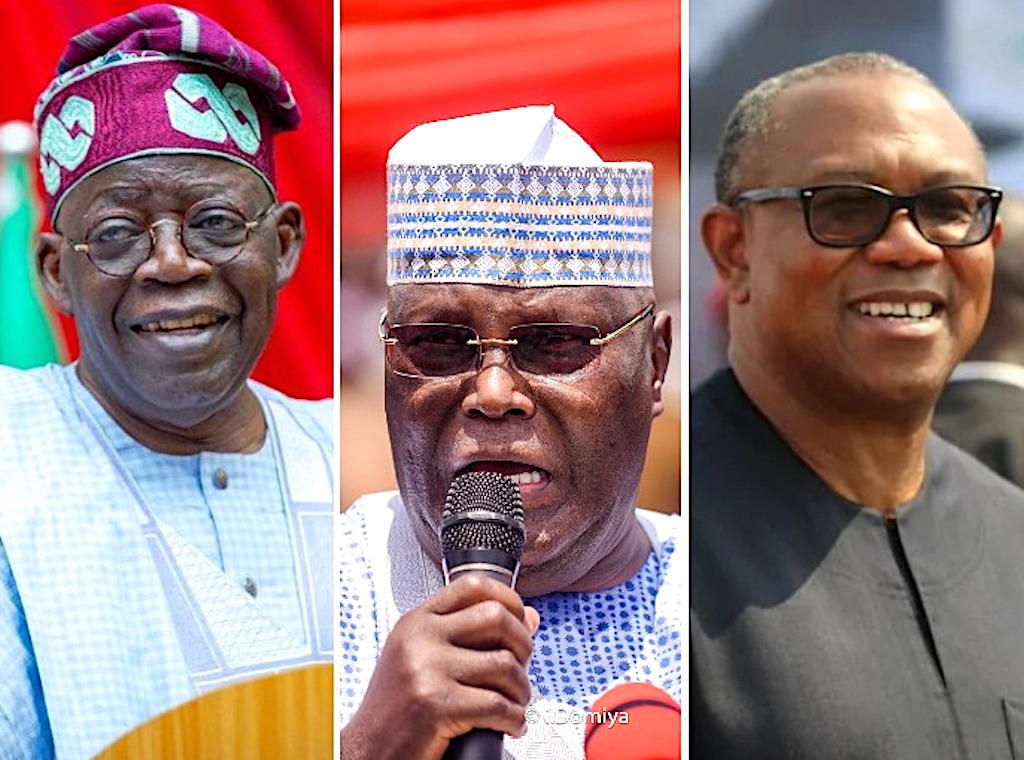
The Federal Government of Nigeria announced on Monday the suspension of a proposed increase in registration fees for the 2027 West African Senior School Certificate Examinations (WASSCE) and National Examinations Council (NECO) Senior School Certificate Examinations (SSCE). This decision has garnered support from high-profile political figures including former Vice President Atiku Abubakar and presidential candidate Peter Obi.
Originally, the government announced a hike in WAEC fees from 27,000 Naira to 50,000 Naira and NECO fees from 30,000 Naira to 50,000 Naira. The proposal drew significant backlash from various stakeholders, including Atiku Abubakar and the National Parents Teachers Association of Nigeria (NAPTAN).


Following public outcry, the Ministry of Education issued a statement indicating that the fee adjustments would be reviewed comprehensively. Boriowo Folasade, the ministry’s Director of Press and Public Relations, noted that the decision was influenced by feedback from the public regarding the proposed increase.
The ministry explained that the fee review was initially motivated by economic challenges and the rising costs associated with administering credible national examinations. It stressed that examination fees had remained largely unchanged for numerous years, despite increasing operational expenses.
Minister of Education Dr. Maruf Tunji Alausa emphasized that the suspension aligns with the government’s commitment to transparent policymaking. The ministry intends to engage a broad range of stakeholders, including examination bodies, state education ministries, and parents’ associations, to ensure that any future decisions surrounding examination fees are fair and sustainable.
The ministry reassured that no fee increase would be implemented until the consultation process is completed, stating that the welfare of students and equitable access to quality education remain central to President Bola Ahmed Tinubu’s educational agenda.
In a response to the suspension, Atiku Abubakar welcomed the decision but expressed concern that Nigeria should not be treated as a testing ground for policy. In a statement released by his Senior Special Assistant on Public Communication, Phrank Shaibu, Atiku described the suspension as a victory for parents, students, and civil society organizations who advocated against what he termed an unjust policy.
“Atiku noted that this reversal raises important questions about the government’s approach to policy formulation, demanding proactive engagement with the public rather than reactive measures following public outcry,” the statement read.
Peter Obi, presidential candidate of the Nigeria Democratic Congress (NDC), also hailed the suspension as a victory for the public. In a post on his official X handle, he emphasized the need for increased investment in basic education, rather than imposing additional financial burdens during a time of economic hardship.
“Education is a fundamental right and a public good, not a source of government revenue,” Obi stated, also calling for a review of other policies perceived as burdensome to the populace.
Both candidates underscored the importance of accessible education, urging the government to prioritize long-term solutions over short-term financial measures in the educational sector.