Can our votes count in 2027? — Nigerians ask
By Dayo Johnson, Regional Editor, South-West
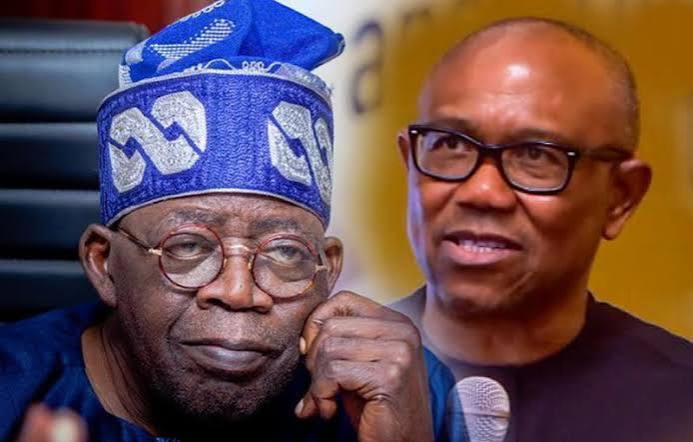
IBADAN, Nigeria – At the inauguration of the APM presidential campaign office last week, Governor Seyi Makinde of Oyo State, who is also the presidential candidate for the APM, alongside other opposition figures including Peter Obi of the NDC and Governor Bala Mohammed of Bauchi State, unveiled a “Reset Nigeria” agenda. This initiative aims to rekindle confidence among voters that their ballots will count in the upcoming 2027 general election.
This announcement comes amid heightened concerns over electoral integrity, as some members of the ruling All Progressives Congress (APC) have allegedly threatened violence against voters who oppose them. Reports indicate a climate of intimidation directed towards dissenting residents, creating a troubling backdrop as the nation prepares for the elections scheduled for January.
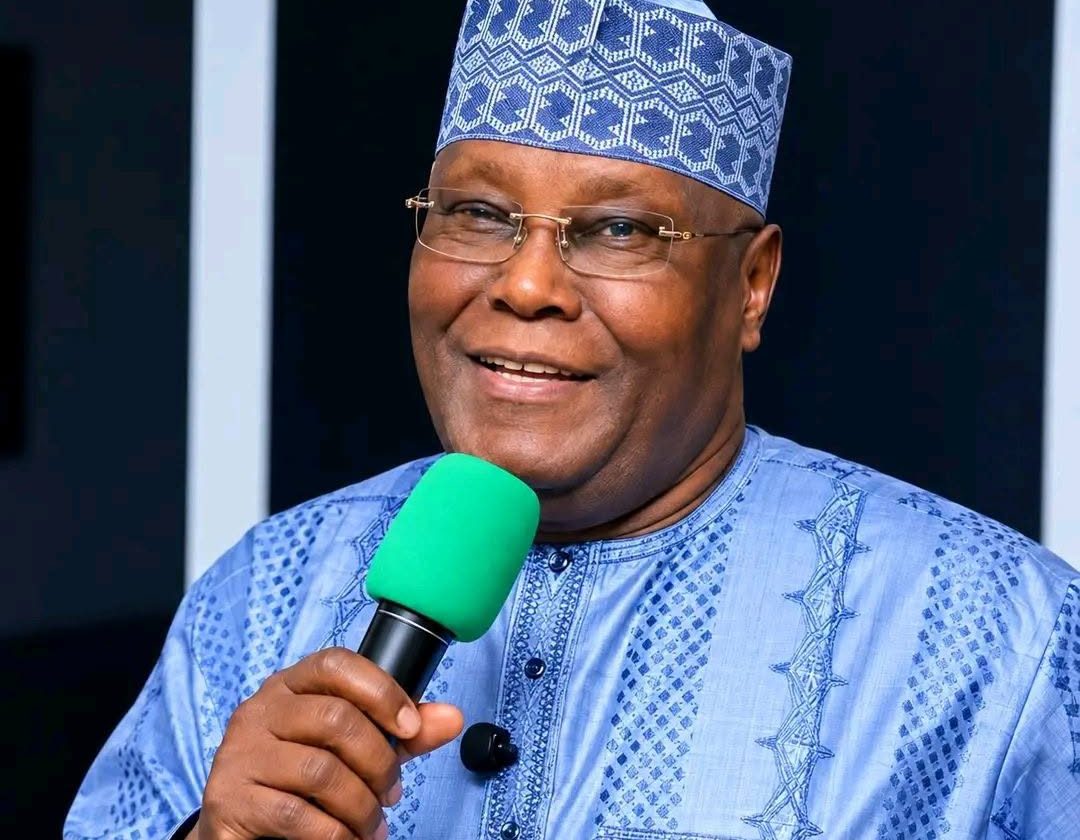
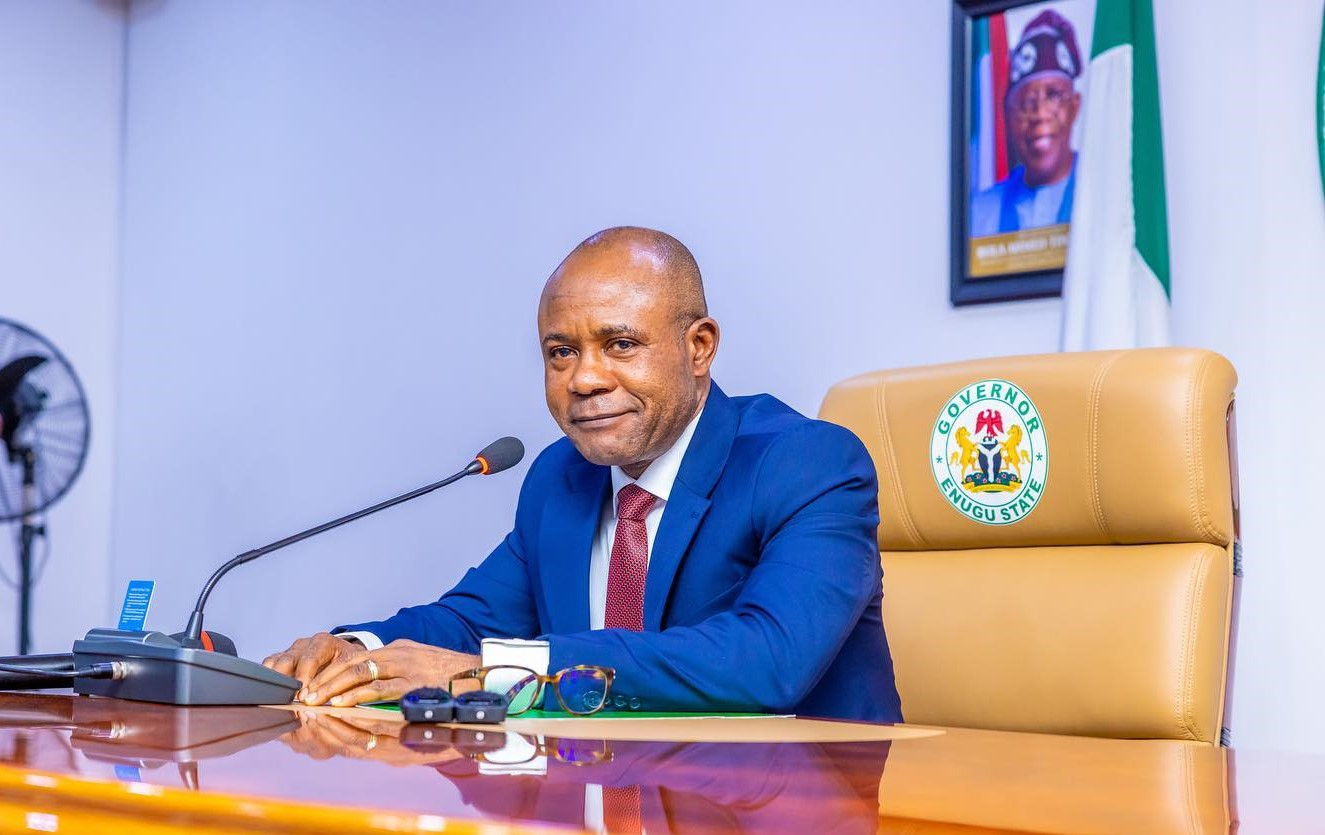
Many Nigerians remain skeptical about the power of their votes, citing unresolved issues from the 2023 elections. They argue that without addressing the glitches and crises experienced in the previous election cycle, hopes for change in 2027 are unwarranted. Advocates for credible elections emphasize that optimism must be paired with institutional safeguards and a collective resolve among citizens to defend their votes.
Alagoa Morris, Chief Operating Officer of the Environmental Conservation Agriculture and Rural Development (ECARD), criticized the lack of accountability for electoral violence, stating, “Practically nothing has been done or said regarding penalties for electoral violence on election day. This is deeply frustrating.” Morris highlighted the need for meaningful reform to restore confidence in the electoral process, particularly noting shortcomings in the technology used during the last elections.
Similarly, Professor Benjamin Okaba, former president of the Ijaw National Congress, emphasized the necessity of strong institutions to safeguard democracy. He stated, “Hope alone is not a strategy,” calling for an environment wherein citizens can participate in elections free from intimidation and coercion.
Joseph Ambakederimo, convener of the South South Reawakening Group, urged political discourse to focus on pressing national issues rather than negative campaigning. He urged all parties to engage voters in substantive conversations around policy instead of resorting to fear-inducing rhetoric.
Tare Maureen Amananaghan of the Fringe Voices Development Foundation welcomed the optimism expressed by opposition leaders but insisted that it must translate into concrete action to ensure that votes are duly protected and counted.
Zik Gbemre, Coordinator of the Niger Delta Peace Coalition, echoed a sense of urgency, suggesting that slogans alone will not suffice to remedy deep-seated issues within the political landscape. He expressed concern over the potential escalation of political violence leading up to the elections.
Chief Augustine Oko, a retired army officer, predicted a rise in political violence, indicating that a peaceful electoral atmosphere seems unlikely. Emmanuella Akom, a retired school principal, called for prayer as a means of support amid fears that the electoral process may be compromised.
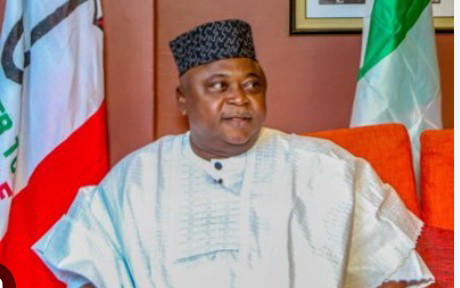
Godwin Akpama, chairman of the Nigeria Democratic Congress (NDC) in Cross River State, urged vigilance and accountability from electoral stakeholders, stressing that citizens must be protected and allowed to exercise their voting rights freely.
Local political figures including Hon Stephen Adewale, a former chairman of the SDP in Ondo State, and Rt. Hon Bakkita Bello, a former Speaker of the Ondo State House of Assembly, both urged for proactive engagement from voters and political parties to protect the democratic process.
Various stakeholders, including analysts and political observers, expressed a mix of optimism and caution regarding the upcoming elections. Discussions surrounding the credibility of the Independent National Electoral Commission (INEC) and the need for significant reforms ahead of the elections were also prominent.
Despite the challenges, consensus emerged on the importance of citizen involvement and institutional integrity to ensure that every Nigerian vote counts in the 2027 elections.
Contributors:
Samuel Oyadongha, Olasunkanmi Akoni, Rotimi Ojomoyela, Peter Duru, Egufe Yafugborhi, Ozioruva Aliu, Emma Una, Ike Uchechkwu, Emem Idio, James Ogunnaike, and Deola Badru also contributed to this report.