FG to unveil power sector scorecards, may sanction underperforming DisCos, GenCos
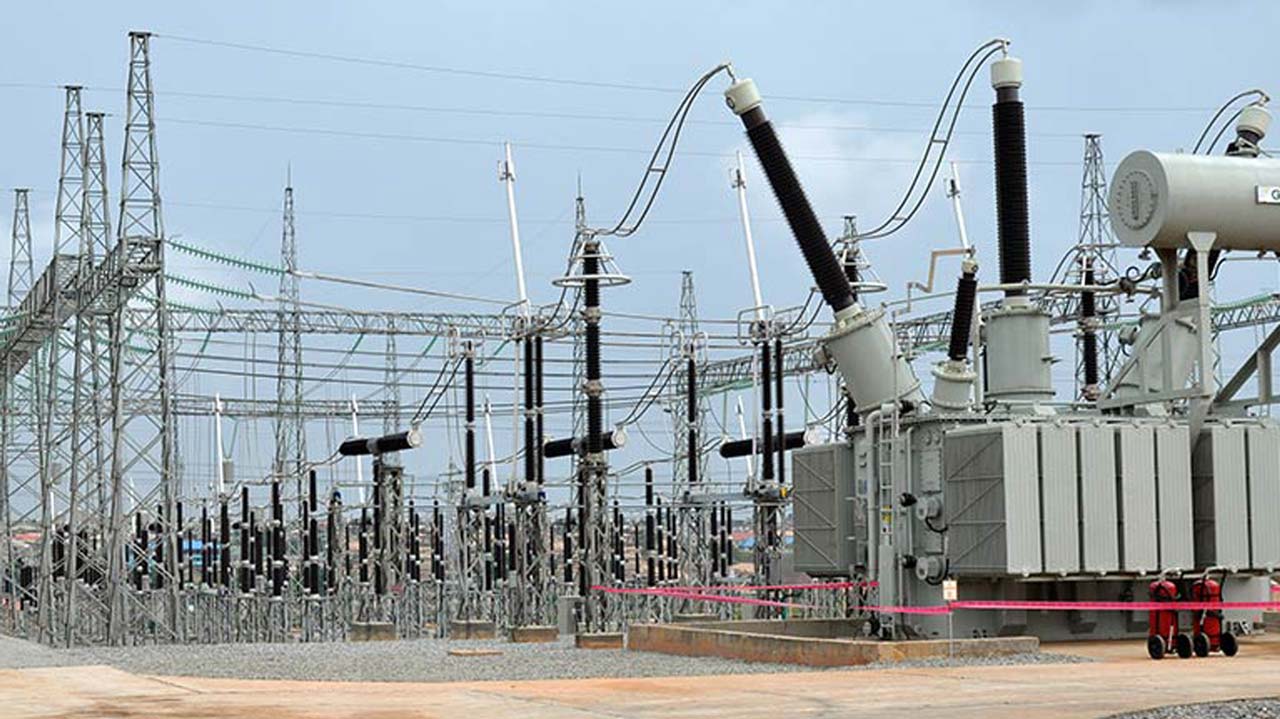
The Federal Government of Nigeria is poised to implement performance scorecards for operators within the nation’s electricity value chain. Under this initiative, distribution and generation companies (DisCos and GenCos) that fail to meet established standards will face penalties, while those with exemplary performance will be recognized and rewarded.
This announcement comes in the wake of a staggering economic burden on Nigerians, who reportedly spent an estimated 16.5 trillion naira on self-generated electricity in 2023. In stark contrast, the national grid generated roughly 1 trillion naira in revenue, highlighting the high costs associated with Nigeria’s inconsistent power supply.
Joseph Olasunkanmi Tegbe, the Minister of Power, shared these details in a policy brief presented by his Special Adviser, Martins Olajide, during the Nigerian Economic Summit Group’s Industrialisation and Competitiveness Forum on Wednesday.

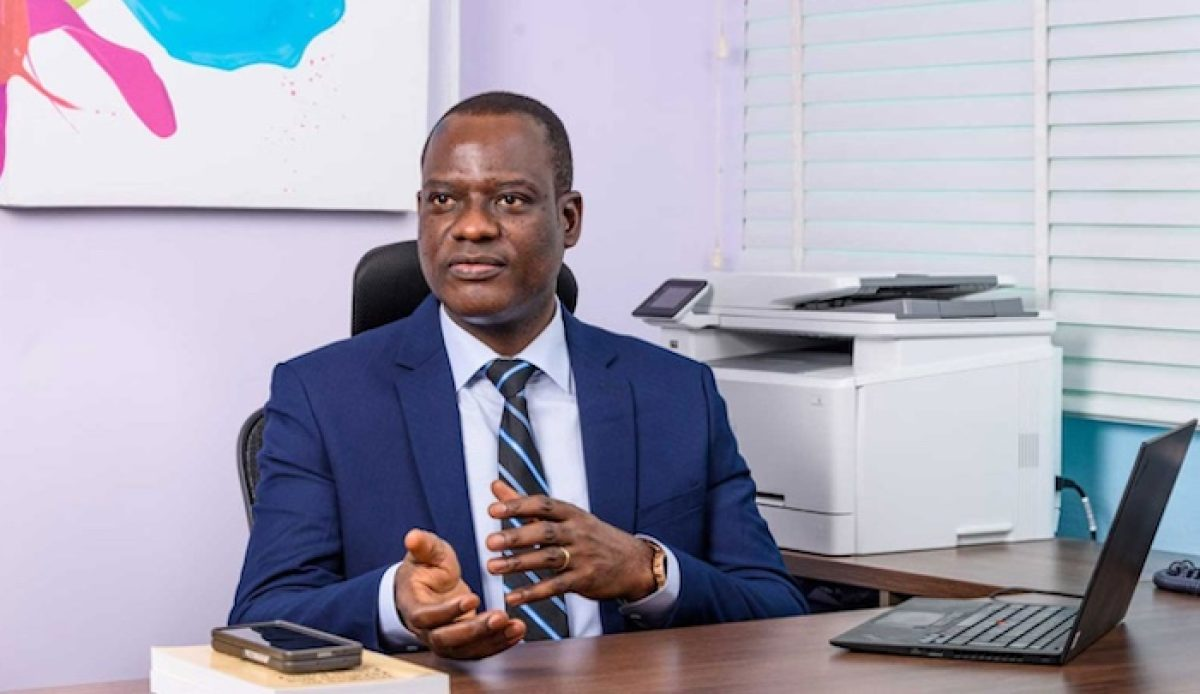
Tegbe emphasized that the introduction of performance scorecards aims to enhance accountability and enforce stricter performance standards across the electricity sector. The framework will not only reward excellence but also penalize underperformance, with the goal of fostering discipline and improving service delivery.
Additionally, the minister outlined forthcoming tariff reforms designed to protect vulnerable consumers while ensuring that electricity supply obligations are met throughout the value chain. He noted that these initiatives are part of an eight-point agenda aimed at stabilizing the power sector, restoring market discipline, and strengthening governance.
Currently, Nigeria has an installed grid capacity of 13,625 megawatts (MW), but the average daily available capacity stands at only 4,854 MW, resulting in approximately 62 percent of the installed capacity remaining unused. This inefficiency persists despite a realistic peak electricity demand of around 20,000 MW.
“The power arithmetic does not add up,” Tegbe stated, emphasizing that the gap between available supply and actual demand has necessitated increased reliance on self-generated electricity by households and businesses.
He reiterated the substantial impact of inadequate electricity supply, citing World Bank estimates that this shortfall costs the Nigerian economy about $25 billion annually, which represents roughly five to seven percent of the country’s Gross Domestic Product (GDP).
Tegbe concluded by highlighting that enhancing the performance of electricity operators and reforming tariffs are critical steps toward establishing a reliable power market that can support industrialization and boost productivity. He also indicated plans to strengthen existing power infrastructure and improve asset utilization across the value chain, with specific enhancements planned for the Lagos, Enugu-Port Harcourt, and Abuja-Kaduna-Kano transmission corridors. The Lagos corridor, in particular, is set to serve as a model for a more comprehensive grid stabilization program.