Gbenga Hashim to INEC: 2027 timetable could trigger crisis
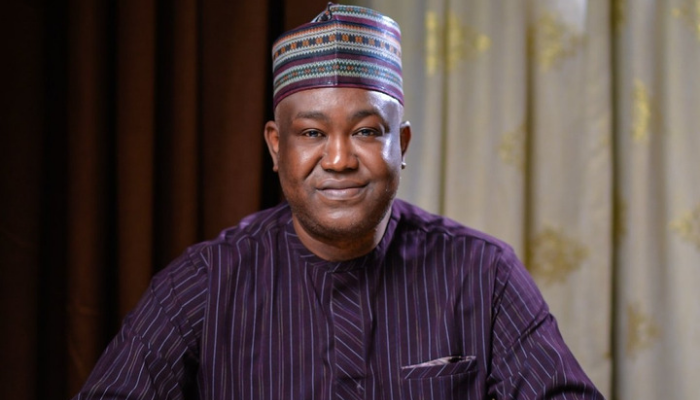
Former Presidential Candidate Warns INEC on 2027 Election Timetable
By Luminous Jannamike
ABUJA — Gbenga Olawepo-Hashim, a former presidential candidate, has expressed concerns that the Independent National Electoral Commission’s (INEC) schedule for the 2027 general elections may exacerbate political tensions and destabilize party structures across Nigeria.

Hashim highlighted that the tightened timetable is already putting pressure on the political landscape, leading to internal disputes and raising questions about the feasibility of conducting primaries and finalizing candidate nominations in time for the elections.
Criticizing INEC’s election calendar, he characterized it as unlawful, unworkable, and insensitive to Nigeria’s complex political and religious context, particularly its timing with significant events such as Hajj and Eid al-Adha.
“Combining election primaries with periods such as Hajj and Ileya, which already pose security and mobility challenges, is unreasonable,” Hashim stated.
He cautioned that conducting party primaries during major religious observances could heighten security risks and lead to unnecessary disruptions nationwide. Hashim emphasized that party primaries are naturally high-stress events that demand adequate planning and coordination to manage internal conflicts and security issues.
“Why adopt a chaotic timetable that circumvents the provisions of the Act?” he questioned, referencing his concerns over the scheduling.
The former candidate noted that the Electoral Act allows sufficient time for parties to finalize their nominations without rushing the political process. According to Section 29(1) of the Act, parties must submit their nominations at least 120 days before elections, effectively giving them until mid-September to complete these processes.
Hashim revealed that he had previously written an open letter to President Bola Ahmed Tinubu, requesting intervention to ensure that INEC adheres to the Electoral Act’s provisions, but reported that he has received no response.
He reiterated that compressing critical political activities alongside important religious obligations unnecessarily raises national risks and could undermine stability within political parties leading into the 2027 elections. He warned that failure to reassess the timetable might further escalate political tensions and diminish public trust in the electoral process as the nation approaches the polls.