As governor, Kwankwaso also defected to APC — Waiya
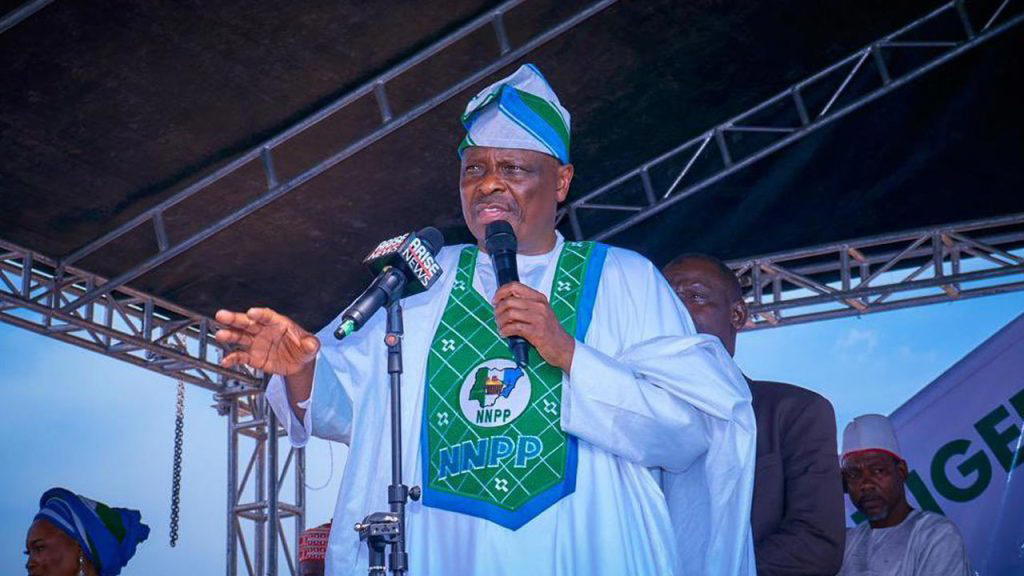
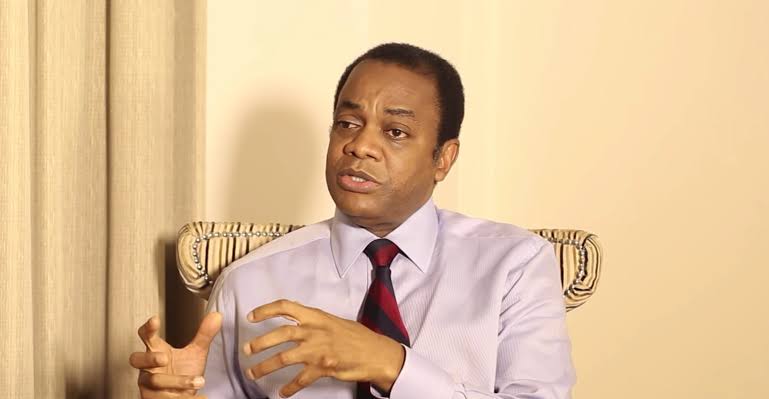
In a recent interview, Ibrahim Waiya, the Kano State Commissioner for Information and Internal Affairs, addresses concerns over Governor Abba Yusuf’s defection from the New Nigeria Peoples Party (NNPP) to the All Progressives Congress (APC). He discusses the internal strife within the NNPP, asserting that the party is facing significant challenges.
Initially, the NNPP’s emblem was a basket of fruits, but a controversial attempt to change it to a book led to legal disputes among party founders. Courts ruled against the logo change, highlighting tensions within the party, particularly between factions led by key figures like Hashim Dungurawa, Rabiu Kwankwaso, and Elmasud Doguwa. This fragmentation had already prompted several defections from the NNPP, further indicating an unstable environment for remaining loyal party members.
Waiya expresses that under such conditions, it was impractical for Governor Yusuf to remain in the NNPP. He highlights that the governor’s decision to move was not merely opportunistic but necessary given the party’s precarious legal standing. With the lack of cohesion and recognition, remaining in the NNPP could jeopardize the governor’s ability to serve the people of Kano effectively.

Discussion extends to the governor’s deputy, who has not defected alongside the governor. Waiya believes the deputy should step down if he chooses not to follow his principal. The validity of the election mandate was also considered, with Waiya asserting that while the NNPP platform was instrumental, it was ultimately the people’s will that elected the governor.
Waiya counters accusations of betrayal directed at Governor Yusuf by recalling similar historical contexts where politicians, including Kwankwaso, have changed affiliations. He claims that the current move should not be viewed negatively, particularly considering the greater good for Kano State. Within this context, he also mentions recent positive developments, such as governmental collaboration with security agencies, which have improved the political landscape.
Despite Kwankwaso’s sense of betrayal, Waiya notes a significant moment of unity that occurred recently in Kano when diverse political figures, including former opponents, came together for the state’s progress. He argues that the governor’s shift to the APC is a strategic choice for the future, aligning with the need for enhanced political cooperation to bring projects and benefits to the people.
In conclusion, Waiya’s remarks reflect a strong justification for Governor Yusuf’s departure from NNPP, framing it within a broader narrative of political survival and the imperative to serve the constituents of Kano State. The ongoing turmoil within the NNPP ultimately led to a pragmatic decision to align with the APC, a move that is seen as pivotal for the governance and development of the state.