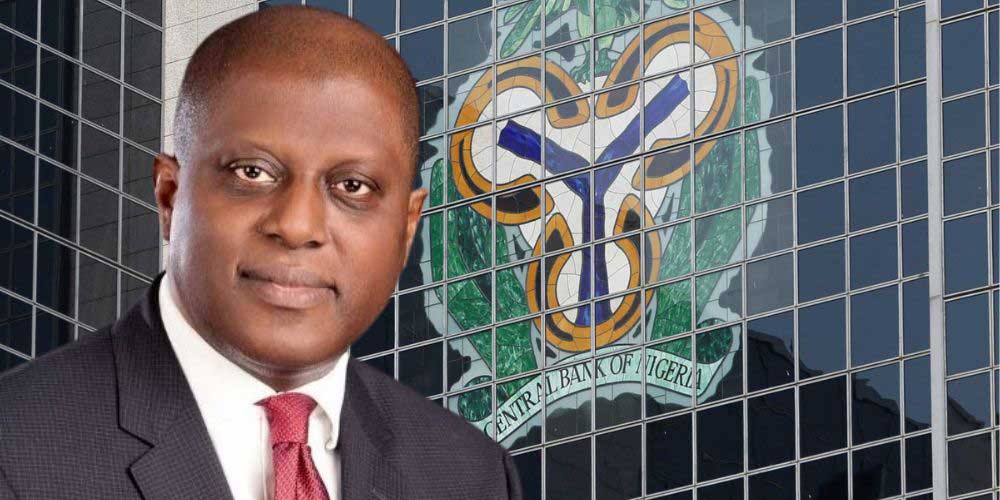
External reserves stand at $52bn – CBN gov, Cardoso

Central Bank of Nigeria Reports Surge in Foreign Exchange Reserves to $52.52 Billion
ABUJA — Yemi Cardoso, Governor of the Central Bank of Nigeria (CBN), announced on Tuesday that the country’s foreign exchange reserves have risen to $52.52 billion. This figure, reported during a press briefing following the 306th meeting of the Monetary Policy Committee (MPC), is an increase from $50.47 billion at the end of May.
Cardoso also revealed that the MPC has chosen to maintain the Monetary Policy Rate (MPR) at 26.5% and has kept the Standing Facilities Corridor at +50/-450 basis points. The Cash Reserve Requirement (CRR) remains at 45% for Deposit Money Banks, 16% for Merchant Banks, and 75% for non-Treasury Single Account public sector deposits.



According to Cardoso, the increase in reserves is attributed to receipts from crude oil-related taxes and various third-party inflows, which are sufficient to cover approximately 11 months of imports—a substantial margin above the international benchmark of three months.
In terms of inflation, Cardoso reported a slight decrease in headline inflation, which fell to 15.91% in June from 15.93% in May, halting a three-month trend of rising prices. This decline was influenced by a reduction in the non-food inflation component, despite an increase in food inflation, which rose to 17.52% from 16.96% due to supply constraints.
Core inflation also saw a decrease, dropping to 15.92% in June from 16.82% in May, attributed largely to stability in the exchange rate. The 12-month average inflation rate continued its decline, reaching 17.63% in June compared to 18.36% in May. On a month-to-month basis, headline inflation fell to 1.66% in June from 1.75% in May.
Cardoso highlighted that real Gross Domestic Product (GDP) grew by 3.89% in the first quarter of 2026, down from 4.07% in the previous quarter. Growth was primarily driven by the non-oil sector, which expanded by 3.94% due to improvements in telecommunications, financial services, trade, transportation, and other service sectors. The oil sector’s GDP growth rate decreased to 2.57% in the first quarter from 6.79% in the fourth quarter of 2025, affected by ongoing maintenance of oil facilities.
The composite Purchasing Managers Index (PMI) indicated enhanced economic activities, rising to 50.1 index points in June from 49.6 in May. Cardoso projected that output growth would remain strong throughout 2026, supported by rising crude oil production, an improving PMI, and positive policy reforms.
Looking ahead, Cardoso anticipates further moderation in inflation due to continued stability in the foreign exchange market and the anticipated positive effects of prior monetary policy adjustments and improved food supply conditions as the harvest season nears. He also cautioned that the prolonged conflict in the Middle East poses a significant risk to the economic outlook.
In conclusion, the MPC has reaffirmed its commitment to maintaining price and financial system stability and stands ready to implement necessary policy measures in response to evolving macroeconomic conditions.