Atiku’s subsidy proposal designed to make petrol affordable — Okonkwo
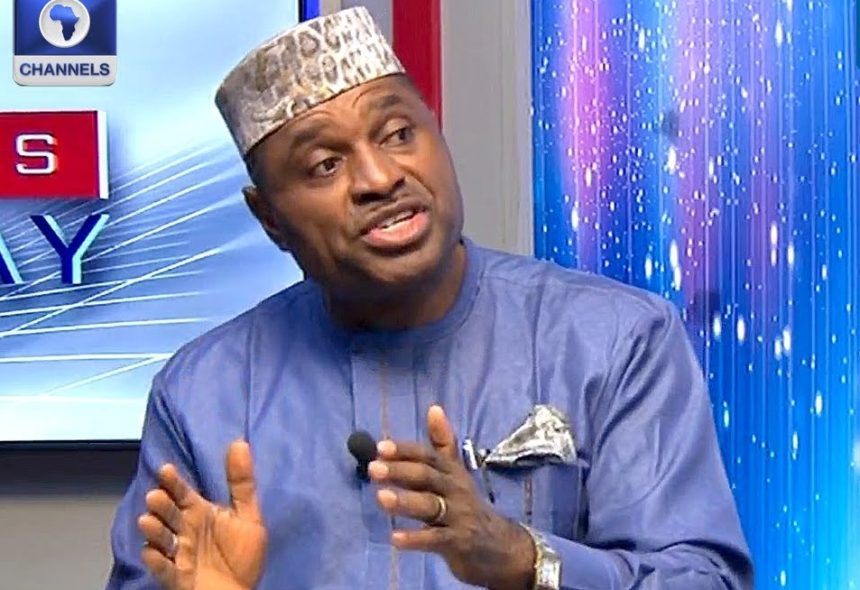
Kenneth Okonkwo Defends Atiku Abubakar’s Petrol Subsidy Proposal
ABUJA — Kenneth Okonkwo, spokesperson for the 2027 presidential campaign of former Vice President Atiku Abubakar, has responded to criticism regarding Atiku’s proposal to restore petrol subsidies, characterizing the initiative as a strategy to lower fuel prices without reverting to past subsidy practices.
During an appearance on Channels Television’s “Sunday Politics,” Okonkwo stated that President Bola Ahmed Tinubu misinterpreted Atiku’s policy as outlined by the presidential candidate of the African Democratic Congress (ADC).
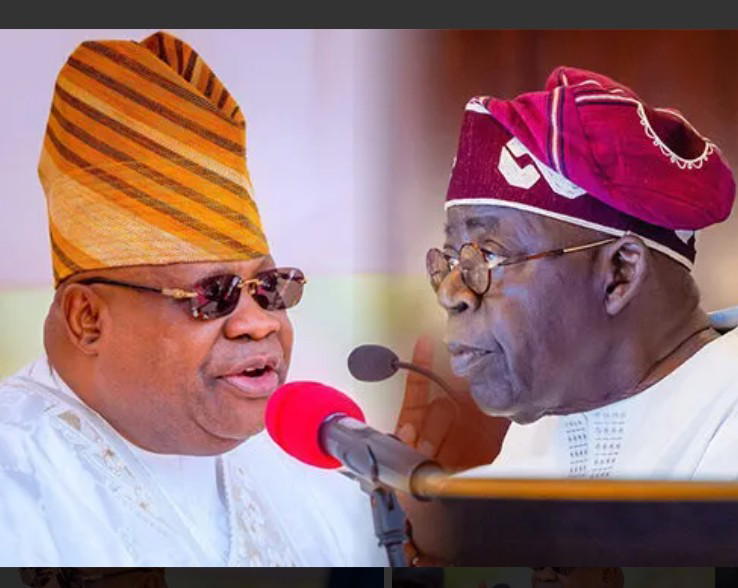
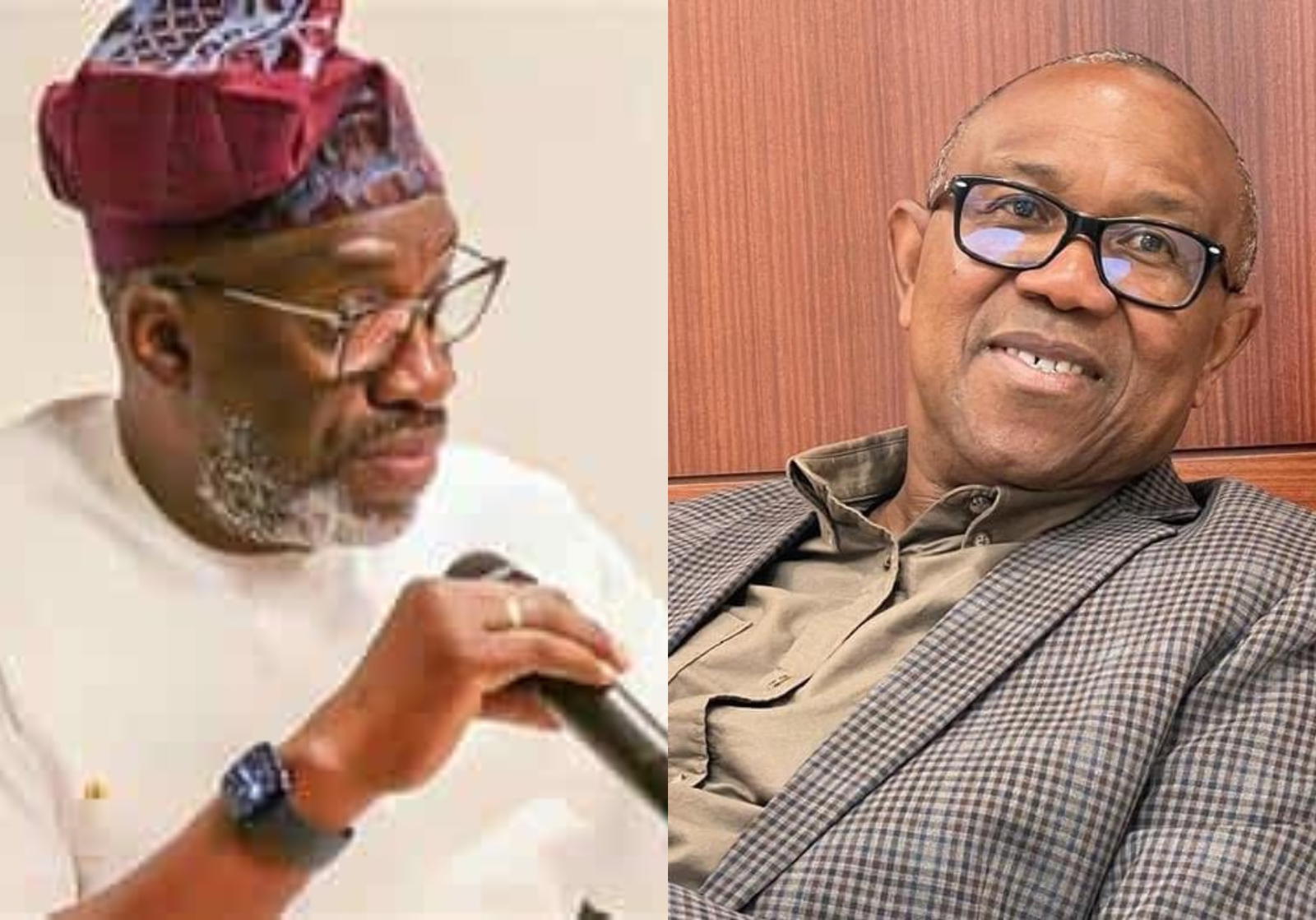
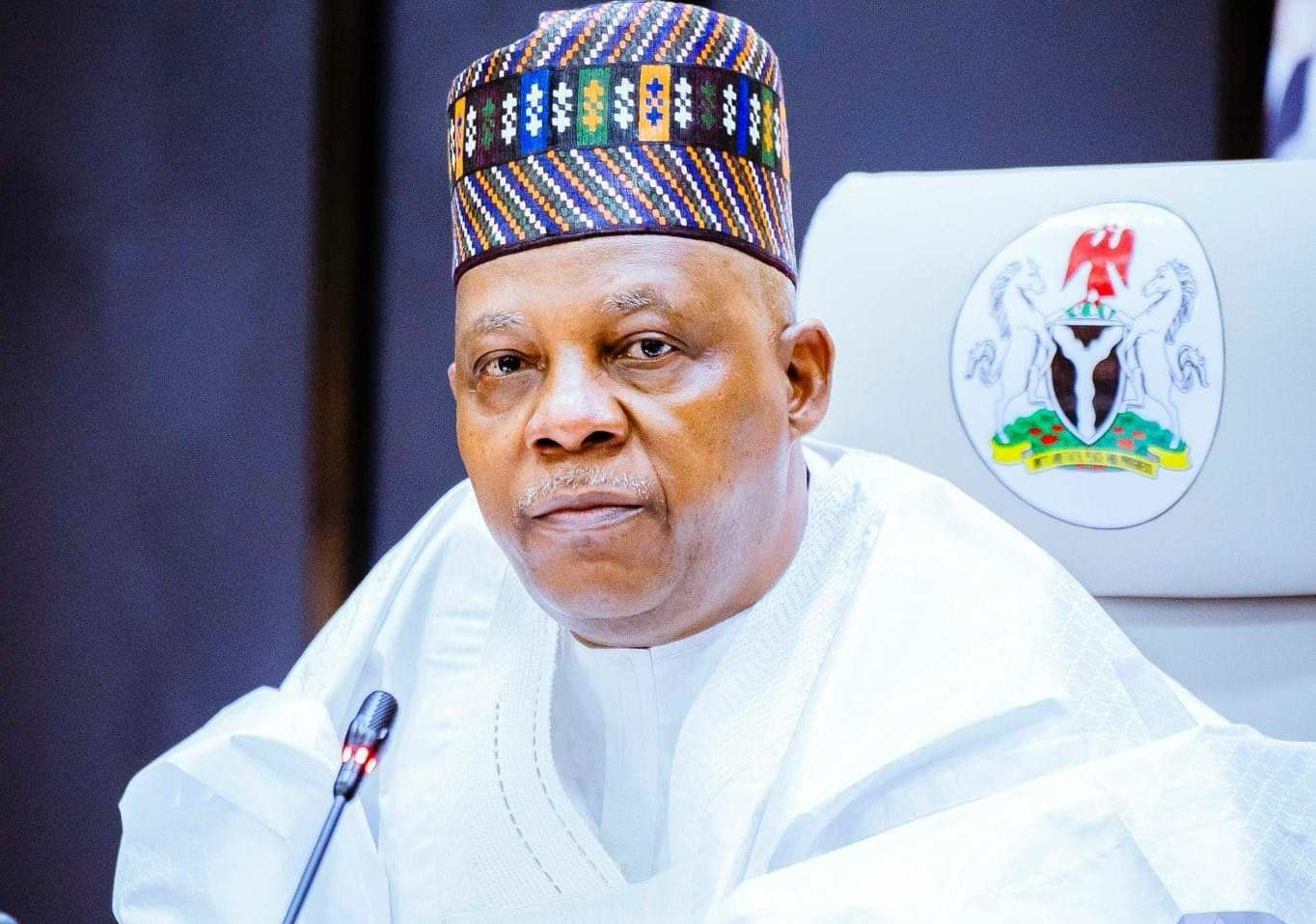
On Wednesday, Atiku announced his intention to reinstate petrol subsidies if elected, a declaration that sparked significant debate, especially in light of his previous advocacy for subsidy elimination during the 2023 campaign.
Atiku has also criticized the Tinubu administration for failing to account for the savings generated from the removal of petrol subsidies, highlighting concerns regarding financial transparency.
In response, President Tinubu labeled Atiku’s proposal as indicative of “serious ignorance of governance and economy,” contending that the subsidy system has historically placed a substantial financial burden on the nation.
However, Okonkwo emphasized that Atiku’s plan does not entail a return to the previous subsidy system, which he described as based on excessive reliance on imported petrol and fraught with manipulations regarding subsidy payments.
“The core of Atiku’s plan is to ensure fuel affordability for the average Nigerian,” Okonkwo stated. He further refuted claims suggesting Atiku’s intention to revive past subsidy frameworks, describing such assertions as misinformed.
Okonkwo introduced the Atiku Fuel Affordability Plan (AFAP), which focuses on enhancing domestic refining capacities and promoting government intervention to secure crude oil for local refineries at competitive prices. He argued that facilitating access to affordable crude for domestic refineries would decrease production costs and ultimately result in lower petrol prices for consumers.
“He stated, ‘I will supply the needed crude to our local refineries at a price that will be fair enough for them to produce fuel at reduced and affordable prices to Nigerians,’” Okonkwo explained.
He further suggested that had previous administrations prioritized developing adequate refining capacities and ensuring sufficient fuel supply, a petrol subsidy would have been unnecessary. Okonkwo attributed the issues of the old subsidy regime to its association with corruption and reliance on imported fuel.
“This system relied entirely on imported fuels; we had no refineries,” he noted. He alleged that such dependency created avenues for manipulation in import volumes and pricing, ultimately impacting consumers.
Despite the controversies, Okonkwo maintained that Atiku’s approach does not mirror past practices and asserted that the former vice president is committed to pursuing a more sustainable solution for Nigeria’s fuel pricing.
Atiku’s proposal has ignited an ongoing dialogue about energy policies and economic management ahead of the 2027 election.
For further updates, visit Vanguard News.