Fuel can sell for N605/litre, subsidy is ‘Accounting Magic’ — Olawepo-Hashim
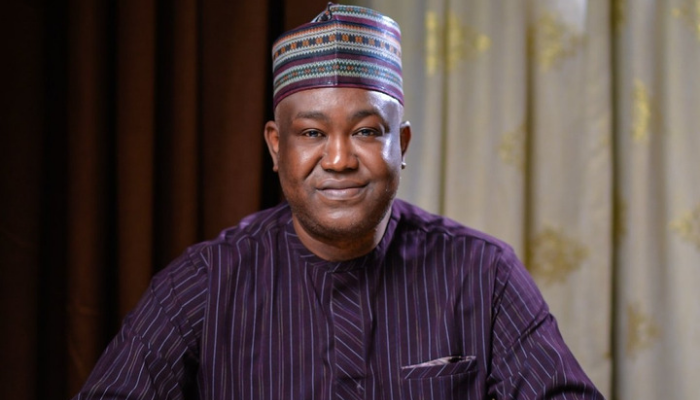
Olawepo-Hashim Questions Fuel Pricing Justifications by Federal Government
Accord Party presidential aspirant Gbenga Olawepo-Hashim has challenged the Federal Government’s rationale for high petrol prices, labeling the ongoing fuel subsidy debate as “accounting magic.” He proposed that petrol could be priced at approximately N605 per litre if the domestic pricing structure for crude oil were reviewed.
During an appearance on Channels Television’s “Politics Today,” Olawepo-Hashim criticized the government’s methods of pricing crude oil, claiming that these practices have led to inflated fuel costs in Nigeria. He argued that Nigerians have been led to believe that lower petrol prices are unattainable.

“The truth is that the price is currently inflated. By who? By the government,” Olawepo-Hashim stated. He referenced data from the Nigerian National Petroleum Company Limited (NNPCL), which estimates the production cost of a barrel of crude oil in Nigeria at around $30.
Olawepo-Hashim detailed his calculations, suggesting that with an additional margin of $15 for production, $5 for refining, and $7 for transportation and insurance, the overall cost would reach approximately $57 per barrel. This, he argued, would result in a petrol price of about 34 cents per litre, translating to roughly N501 per litre based on an exchange rate of N1,400 to one dollar.
He proposed a pump price of N605 per litre, including an additional energy tax of N100 aimed at funding the development of alternative energy sources.
The Accord Party leader also disputed the characterization of the previous arrangements as a fuel subsidy, asserting that the complexities arise primarily from the government’s accounting practices and the domestic pricing of crude oil. “What you have seen has never been any subsidy, even with lower petrol prices. The subsidy issue is more of an accounting illusion,” he remarked.
Olawepo-Hashim emphasized that crude oil supplied to Nigerian refineries should not automatically be priced at the same rate as crude sold overseas. He argued that the international price reflects the opportunity cost and should not dictate domestic pricing.
He cited Saudi Arabia and Kuwait as examples of oil-producing nations that do not impose international crude pricing on their domestic markets as Nigeria does.
In addition, Olawepo-Hashim called for increased transparency regarding Nigeria’s crude production costs, questioning the rationale behind the current pricing of domestic crude oil. He suggested there could be “a lot of over-invoicing” in the system and urged stakeholders to publicly disclose the relevant figures.
“If anyone has a different idea, they should bring their books. Let’s see what it costs to produce a barrel of crude in Nigeria,” he concluded.