Electricity: Geometric Power puts Aba ahead of Nigerian cities

Improved Electricity Supply Boosts Business and Household Operations in Aba
By Emma Ujah, Abuja Bureau Chief
Aba, Abia State—For decades, Nigeria has faced challenges with unreliable electricity, which has hindered industrial growth, increased production costs, and complicated daily life for many households. However, a shift is underway in Aba, where the Geometric Power-owned Aba Power distribution network is providing consistent electricity, benefiting businesses, educational institutions, and residents alike.


Historically, numerous industries across Nigeria—from textile mills in Kaduna and Kano to vehicle assembly plants in Lagos—have struggled with power shortages, resulting in shutdowns and operational difficulties. In contrast, Aba Power’s recent installations have allowed local businesses to reduce their dependency on expensive petrol and diesel generators.
Manufacturers in the area are now reporting enhanced productivity. Traders are lengthening operating hours to meet demand, while families are enjoying improved food preservation and lower energy costs.
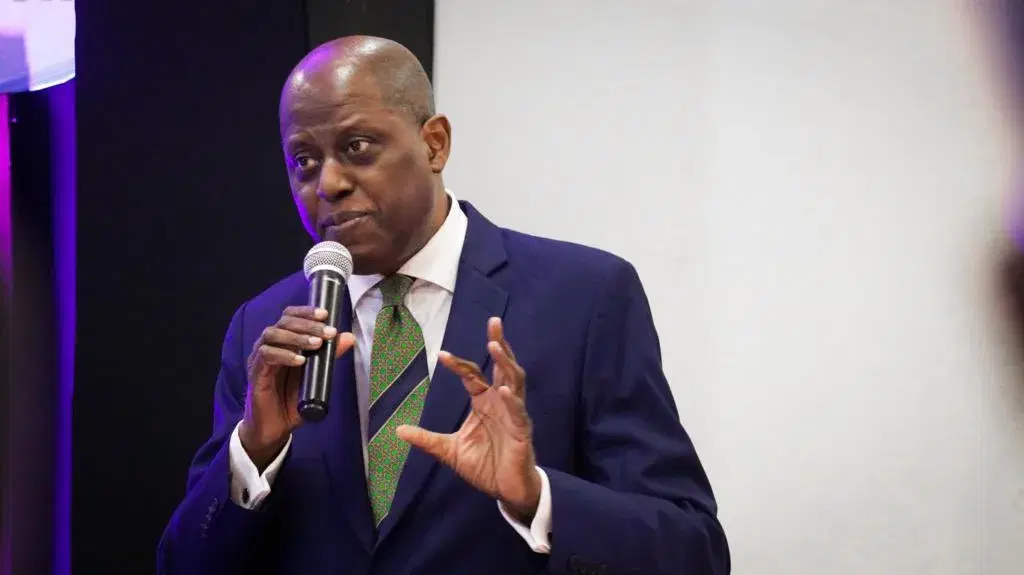
Professor Barth Nnaji, Chairman of Geometric Power, referred to the Aba Integrated Power Project, which represents an investment exceeding $900 million, as a significant achievement in expanding access to reliable electricity. Nnaji emphasized that the firm is dedicated to ensuring affordable electricity for all customers, irrespective of social or economic status.
“Our services are for all people, regardless of class or status. Electricity is a fundamental right of the Nigerian people,” Nnaji said. Unlike other legacy power distribution companies, Aba Power operates as a fully privately owned entity and has not relied on government subsidies.
Afreximbank’s Role in Project Realization
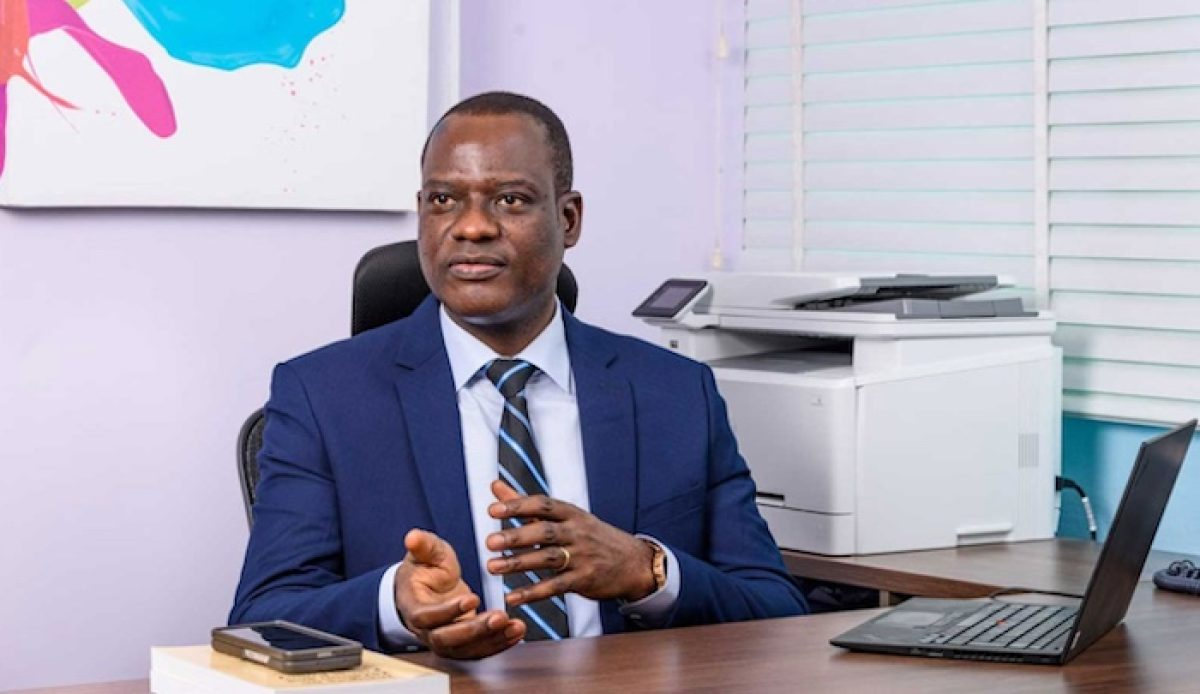
A pivotal moment in making the Aba Power project feasible came when the African Export-Import Bank (Afreximbank) provided a $50 million facility, overcoming a seven-year delay that had threatened the initiative’s success. Agatha Nnaji, the Group Managing Director of Geometric Power, acknowledged that Afreximbank’s support was crucial for commissioning the project.
She explained, “Politics and various human errors delayed the project, and for seven years, we only maintained existing facilities. Thanks to President Jonathan’s intervention and subsequent support from the late President Muhammadu Buhari, we secured the funding from Afreximbank, who shared our vision for the project.”
The company’s commitment to infrastructure reliability involves investing in robust distribution systems that can withstand extreme weather and minimize disruptions. Engineer Victor Ngwoke, Director of Commercial Operations, detailed that heavy-duty tubular steel poles are strategically placed to endure impacts and require less frequent repairs.
Approximately 98 percent of Aba Power’s customers utilize prepaid meters, reducing disputes related to estimated billing and empowering consumers to monitor their usage more effectively.
Expanding Reach and Capacity
Currently, Aba Power is operating at a capacity of 50 to 60 megawatts from an available 140 megawatts of generation capacity. This surplus allows for the extension of service to underserved areas of neighboring Rivers State, with plans to expand further across Abia State pending logistical capabilities.
One beneficiary of the new supply is Ogbonnaya Onu Polytechnic in Aba, whose Rector, Professor Christopher Okoro, noted a transformative impact on academic and administrative functions. After connecting to Aba Power, the institution has experienced a reduction in energy costs by about 80 percent.
“Reliable electricity has drastically changed our operational dynamics, allowing for extended work hours and improved research capabilities,” Okoro said.
Manufacturers, such as David Mmadueke of Damson Industries, report similar benefits. Mmadueke confirmed that ongoing operations have transitioned to continuous day and night shifts due to the elimination of power outages.
In the Aba North Shoe Plaza, President Obioma Onyebuchi stated that businesses housed within the plaza have benefited from the steady supply, boosting productivity without the need for backup generators.
Household Impact and Broader Implications
The improved electricity supply is also assisting households. Residents like Ada-Ngizi Greg-Ilobinso highlight the positive effects on managing family finances and food storage. “With steady electricity, I can buy food in bulk and store it without worrying about spoilage,” she said.
While the initial feedback from residents, manufacturers, and institutions points to substantial advantages, the long-term effectiveness of this solution will ultimately depend on sustaining affordability and widespread reach of the electricity services provided.
For further updates, visit Vanguard News.