Chemical Engineers seek private control of moribund refineries
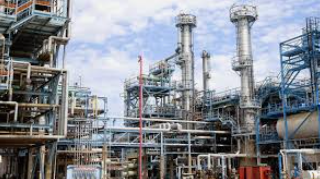
Nigerian Society of Chemical Engineers Advocates for Revamped Refinery Ownership
By Providence Ayanfeoluwa
LAGOS, Nigeria — The Nigerian Society of Chemical Engineers (NSChE) has urged the Federal Government to implement a transparent, competitive, and time-sensitive privatization process for the country’s struggling state-owned refineries, emphasizing the need for majority private ownership and professional management.


During a press conference titled “Nigeria’s Moribund Refineries Need New Governance,” NSChE National President Engr. Bayo Olarewaju-Alo criticized the ongoing public spending on the rehabilitation of these facilities. He proposed a shift toward a new ownership model that would transfer operational control, investment responsibilities, and execution risks to technically and financially sound private investors.
Olarewaju-Alo highlighted the ineffectiveness of past efforts to rehabilitate the Port Harcourt, Warri, and Kaduna refineries over the last two decades, noting that these attempts have failed to yield reliable and commercially viable production.
The NSChE leader suggested a 22-month timeline for the privatization process, encompassing asset assessments, investor prequalification, due diligence, competitive bidding, regulatory approvals, and the eventual transfer of ownership and operational control.
“Further public rehabilitation expenditure should be replaced with a transparent divestment of majority equity holdings to credible private investors, ensuring enforceable obligations and professional operational oversight,” he stated.
He also indicated that the government could maintain a minority, non-controlling interest to safeguard strategic public interests while avoiding the financial burdens of operational management and any funding deficits.
“The aim is not merely to sell assets but to develop a governance and investment model that ensures reliable production, commercial discipline, national value, and public accountability,” he added.
Olarewaju-Alo pointed out that Nigeria has invested significant public resources over more than 20 years in attempts to restore the Port Harcourt, Warri, and Kaduna refineries. Despite these efforts, the facilities have not achieved consistent or competitive production levels.
In addition, he called for the establishment of binding investment and production milestones, environmental protections, workforce safeguards, a transparent allocation of legacy liabilities, and penalties for non-performance.