FULL LIST: Six Things You Should Know About First Ebola Case in Nigeria

Federal Government Confirms Ebola Case in Abuja
The Federal Government has reported a confirmed case of Ebola in the Federal Capital Territory (FCT), with laboratory results released on October 20, 2026. Prof. Muhammad Ali Pate, the Coordinating Minister of Health and Social Welfare, announced the diagnosis in a statement on Tuesday, revealing that the patient had been admitted to a private hospital prior to confirmation.
The patient, a woman who recently traveled from Uganda, arrived in Nigeria on an international flight. She had been receiving treatment at the hospital in the FCT for several days before her condition was identified as Ebola.
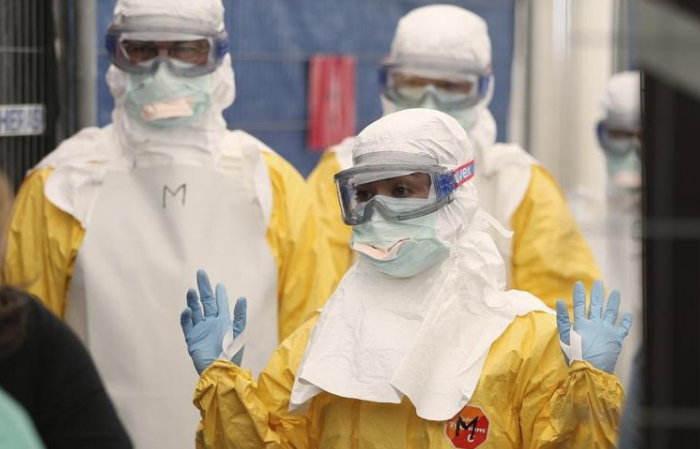

Authorities have initiated contact tracing measures and identified 44 individuals who were in close contact with the patient. Public health teams are monitoring these contacts, which include healthcare workers, fellow patients, caregivers, and travel companions. Surveillance activities are being intensified, and the hospital is receiving additional support for infection prevention and control.
Health experts explain that Ebola is transmitted through direct contact with the bodily fluids of an infected person, including blood, or through materials contaminated with these fluids. It is important to note that a person cannot transmit the virus until symptoms have appeared.
The Federal Government has issued preventive health guidelines. Citizens are advised to maintain proper hand hygiene, avoid any contact with the bodily fluids of individuals suspected to have Ebola, and be vigilant for symptoms such as fever, severe weakness, headache, vomiting, and diarrhea, especially if exposed.
Those who suspect potential exposure are urged to report it immediately, even if they feel well. Individuals developing symptoms should refrain from close contact with others and should contact public health authorities for guidance prior to seeking medical attention. The government emphasized the importance of cooperation with contact tracing efforts and discouraged the spreading of rumors or stigmatization of affected individuals.
The Nigeria Centre for Disease Control and Prevention (NCDC) has activated its response protocols in collaboration with the Federal Ministry of Health, the FCT Health Services Secretariat, and other relevant agencies to manage the outbreak effectively. The NCDC operates a toll-free call center, available around the clock at 6232, for information or to report suspected cases.
Officials stress that Nigeria has successfully managed Ebola outbreaks previously, particularly in 2014, and they remain committed to employing their existing public health capacity to address the current situation. Residents are encouraged to stay calm and engaged, as early detection, timely reporting, and public cooperation are essential in preventing further transmission of the virus.


