Hope rises for PDP as Gbenga Hashim’s shuttle diplomacy yields breakthrough
PDP Moves Toward Reconciliation Amid Internal Disputes
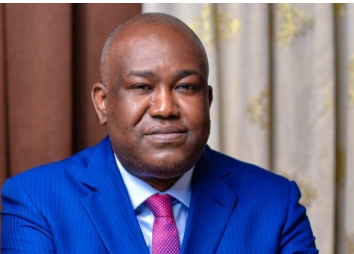
The Peoples Democratic Party (PDP) appears to be making strides toward reconciliation after several months marked by public discord and factional disputes. Dr. Gbenga Hashim, a presidential aspirant and founding member of the PDP since its inception in 1998, is reportedly leading a coordinated mediation effort aimed at unifying the party ahead of looming electoral challenges.
According to multiple sources within the PDP, Hashim has been engaging various key stakeholders across competing factions in an effort to curb internal divisions. This initiative, which reportedly began in January, included extensive consultations with leaders from the Turaki bloc and discussions with Mallam Abdulrahman, a prominent figure associated with the faction linked to former Rivers State Governor Nyesom Wike.
Sources indicate that these discussions focused on the adverse implications of ongoing litigation within the party, with Hashim warning that prolonged court battles could undermine the party’s institutional stability and readiness for elections. The mediation’s goal appears to be safeguarding the party’s structural integrity rather than pursuing personal reconciliations among leaders.
Hashim has also sought the insights of former Heads of State Olusegun Obasanjo and Ibrahim Babangida, both of whom played significant roles in the PDP’s early years. While neither has publicly commented on their discussions, insiders reported that their counsel emphasized the importance of unity and competitiveness as essential for the party’s revival.
Reports suggest that these talks have fostered an impression of institutional rather than factional mediation, which may aid in resolving the ongoing disputes. Recent legal developments further support the reconciliation efforts. During a Court of Appeal hearing in Ibadan, justices encouraged the parties involved to consider resolution outside of court, highlighting the necessity of political stability.
Last weekend marked what insiders described as a pivotal moment, as intensified backchannel discussions led to a preliminary agreement to start harmonizing positions, irrespective of pending court outcomes. Factions within the party are reportedly prepared to engage in structured face-to-face talks to facilitate deeper consultations.
While formal agreements have yet to be finalized, the atmosphere within the PDP is shifting. A senior party official noted, “The temperature has dropped. People are talking again.”
Another source underscored that the prevailing sentiment is focused on reconciliation, especially given that many members’ political aspirations depend on a united party. With key elections approaching, including positions in the State Assembly and governorship, party members recognize the critical need for cohesion.
Political analysts view the timing of this reconciliation effort as potentially strategic. The PDP’s recent performance in Area Council elections suggests a resilient grassroots structure, but party leaders acknowledge that internal unity is essential to maintain this momentum.
“The structure is strong. What was missing was cohesion,” another senior member stated.
Observers believe this emerging truce could pave the way for a broader recalibration of the PDP, enhancing its credibility as a consolidated opposition ahead of the next electoral cycle. For Hashim, his efforts signal a renewed influence of founding members within a party increasingly shaped by newer factions. His advocacy for resolving disputes outside the courts has resonated with stakeholders concerned about institutional fatigue.
The durability of this tentative breakthrough remains uncertain as legal proceedings continue and political dynamics shift rapidly in Nigeria. However, insiders agree that previously stalled communication channels are now open, which could facilitate ongoing dialogue.
If the current momentum continues, the PDP could be entering not just a phase of reconciliation but also a strategic repositioning that is often a precursor to political resurgence in Nigeria.