Nigerians can’t ignore realities of APC’s failures — ADC
ADC Critiques APC’s Economic Reforms, Citing Rising Poverty Rates
By Luminous Jannamike, Abuja
The African Democratic Congress (ADC) has responded critically to the All Progressives Congress (APC), challenging the ruling party’s defense of the economic reforms under President Bola Tinubu. The ADC claims these policies have exacerbated living conditions and increased poverty among Nigerians.


This exchange reflects the intensifying political discourse surrounding the effects of the administration’s economic strategies on the populace. The APC had previously accused the ADC of attempting to incite public dissent against the government.
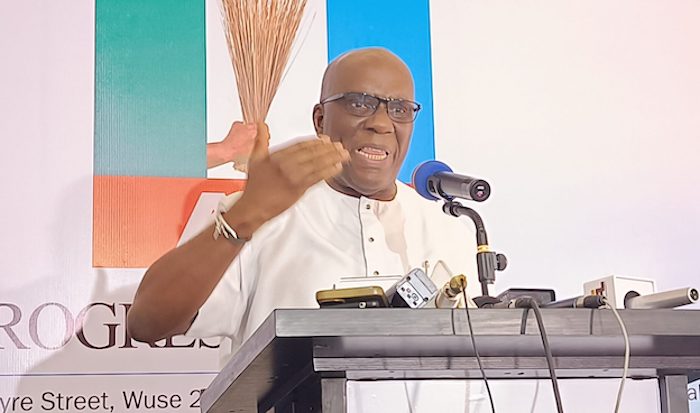
In a statement issued by its National Publicity Secretary Bolaji Abdullahi, the ADC highlighted recent poverty statistics and public opinion surveys indicating significant struggles for many Nigerians following the removal of the petrol subsidy. Abdullahi asserted that these figures contradict the APC’s assertions of positive outcomes from the reforms.
“The ADC acknowledges the ruling party’s response to our concerns regarding the escalating poverty rates under Bola Tinubu’s government. However, instead of addressing the mounting evidence of increasing poverty, the APC has resorted to targeting the opposition and dismissing the difficulties faced by millions of Nigerians. Facts cannot be overshadowed by mere rhetoric,” Abdullahi said.
Citing independent research, the ADC reported that the poverty rate in Nigeria has surged to 63 percent, up from approximately 50 percent prior to the subsidy removal. Abdullahi emphasized that this change indicates that tens of millions of additional Nigerians have slipped into poverty since the introduction of these economic policies.
He also pointed to the dramatic rise in fuel prices, which has had a direct impact on living costs. “While the APC highlights macroeconomic indicators, the reality for many Nigerians is stark. Fuel prices have increased by nearly 500 percent, from about N255 per liter in May 2023 to approximately N1,500 per liter today. This surge is driving up transport costs and pushing food prices beyond the reach of countless households,” he said.
Moreover, independent surveys reflect troubling public sentiment: 93 percent of Nigerians believe the country is headed in the wrong direction, 88 percent describe the economy as poor, and 74 percent report inadequate living conditions.
In response to the APC’s assertion that current hardships are temporary, the ADC shared data suggesting widespread struggles to meet essential needs. “Eighty-two percent of Nigerians report having gone without sufficient food at least once in the past year, and similarly high percentages have lacked access to medical care, cooking fuel, and clean water. These figures indicate not a transient discomfort but a deepening economic crisis,” Abdullahi stated.
The APC has claimed that funds previously allocated to the fuel subsidy—estimated at approximately N6.4 trillion last year—are being redirected to critical sectors like healthcare and social development. However, Abdullahi countered that only N36 million, or about 0.02 percent of the federal capital budget, was actually released for capital projects within the healthcare sector in 2025.
The ADC poses critical questions regarding the management of subsidy savings. “If these funds are genuinely being redirected to vital sectors, where is the money going? Why are local contractors left unpaid? Why do universities remain underfunded?” Abdullahi asked.
The ongoing debate underscores the complexities of Nigeria’s economic landscape and the significant challenges facing its citizens.