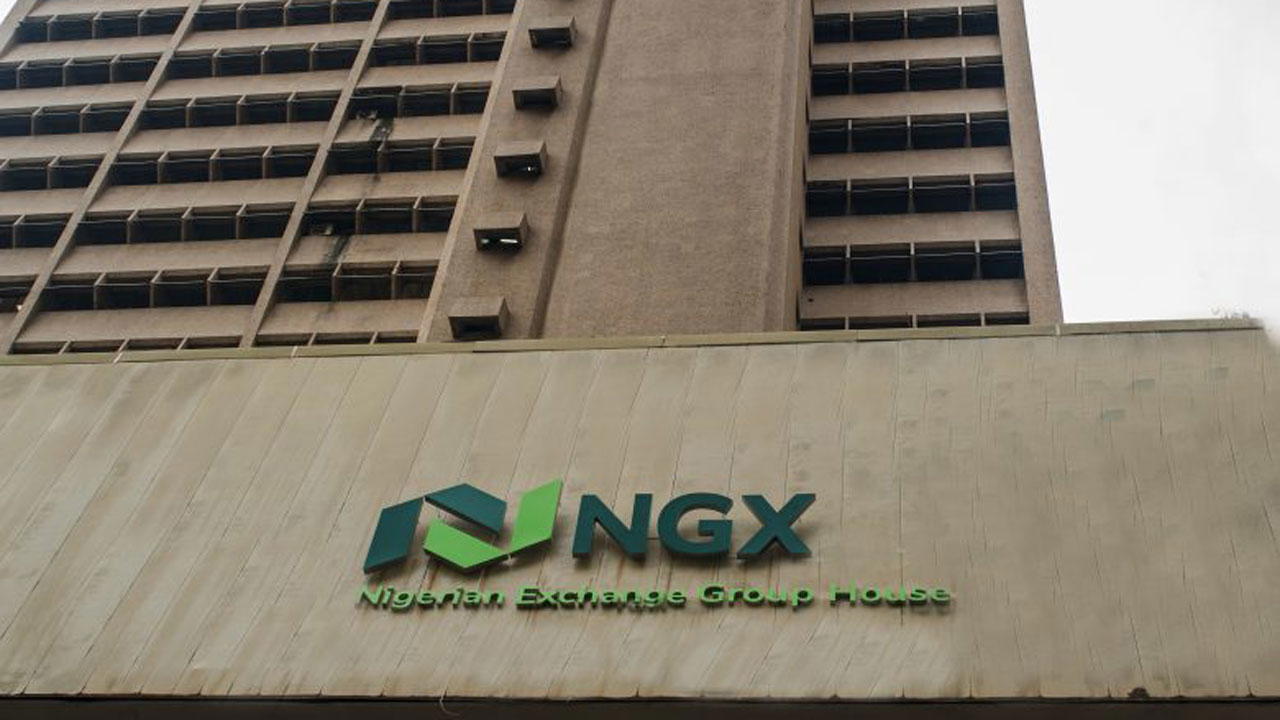
CBN data localisation directive will boost investment in digital infrastructure — GFA Co-Founder

By Babajide Komolafe
The Central Bank of Nigeria (CBN) has issued a data localization directive poised to generate significant long-term demand for local data centers, cloud services, and other digital infrastructure, according to GFA Technologies Group.
Adebola Omololu, co-founder of GFA Technologies Group, discussed the investment opportunities arising from the directive, calling it a pivotal element in advancing Nigeria’s digital infrastructure.



The CBN’s recent directive mandates that banks, financial technology firms, mobile money operators, and other payment service providers store and manage payment transaction data within Nigeria. Full compliance with this regulation is required by January 1, 2027.
“Rather than merely serving as a compliance requirement, the CBN Data Localization Directive should be seen as a catalyst for Nigeria’s ongoing digital infrastructure development,” Omololu stated.
He emphasized that the need for sensitive financial data to remain within Nigerian borders will drive sustained demand for local data centers, local cloud services, disaster recovery facilities, and cybersecurity defenses.
The directive, he noted, enhances the investment rationale for GFA’s planned 200-megawatt Abeokuta Technology Zone (ATZ) Data Centre and Digital Infrastructure Campus, a carrier-neutral facility being developed over nine phases.
This campus aims to support a wide range of services, including data center operations, sovereign cloud solutions, managed infrastructure, disaster recovery, artificial intelligence workloads, enterprise colocation, and future hyperscale expansions.
Omololu pointed to Nigeria’s rapidly growing electronic payments sector, which underscores the urgent need for enhanced investment in domestic digital infrastructure. Data from the CBN indicates that electronic payment transactions rose from 16.3 billion in 2021 to 22.1 billion in 2022 and reached 38.7 billion in 2023.
Looking ahead, he estimates that transaction volumes will increase to 44.8 billion in 2024, 51.9 billion in 2025, and 60.1 billion by 2026.