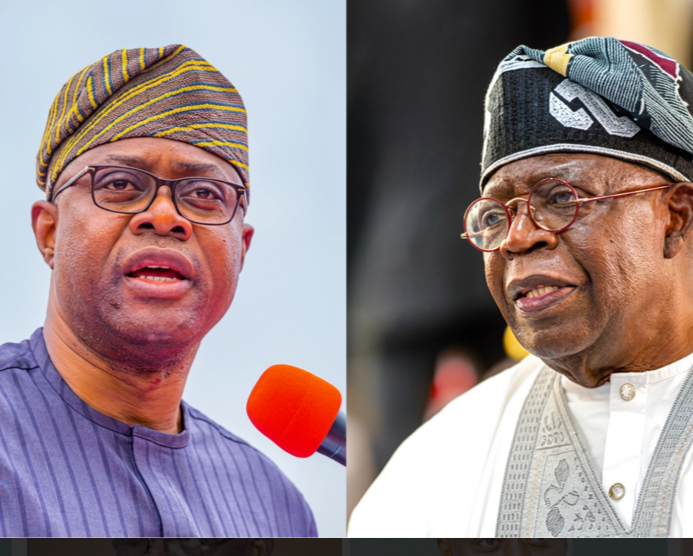
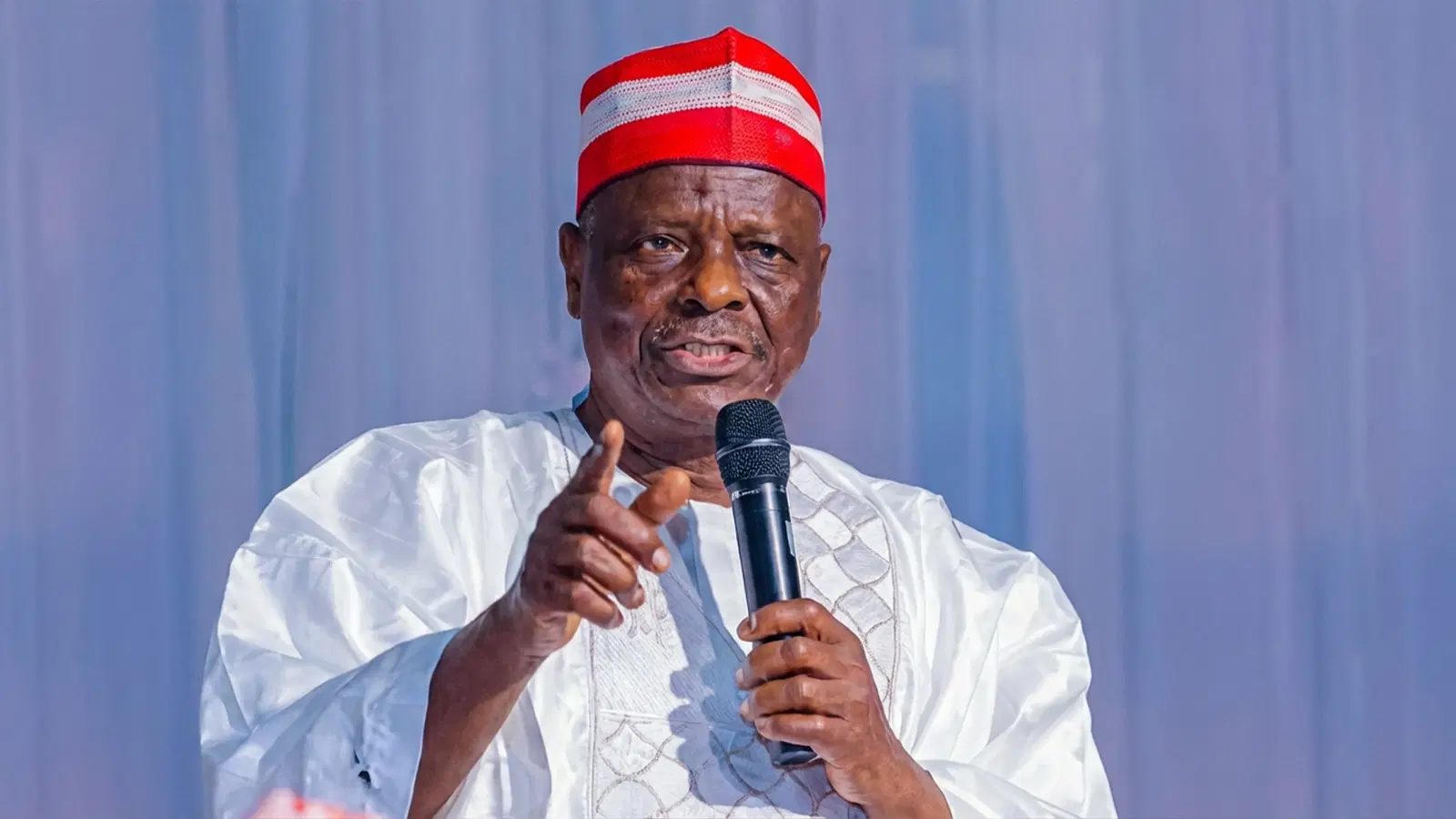
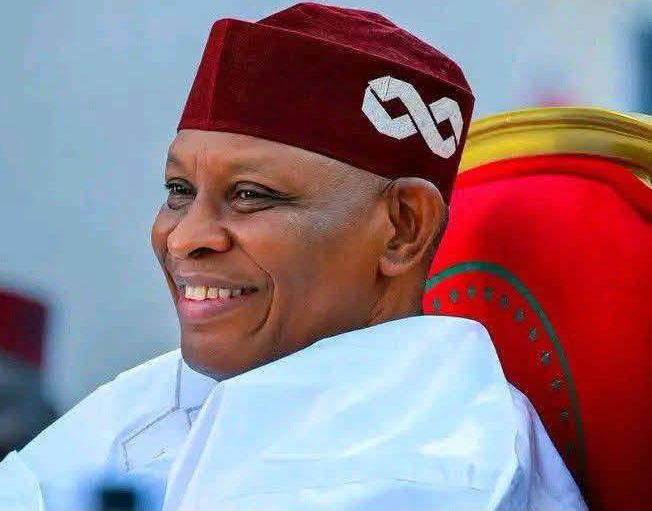
2027: Tinubu, Obi, Atiku, others sign peace accord, vow issue-based campaigns
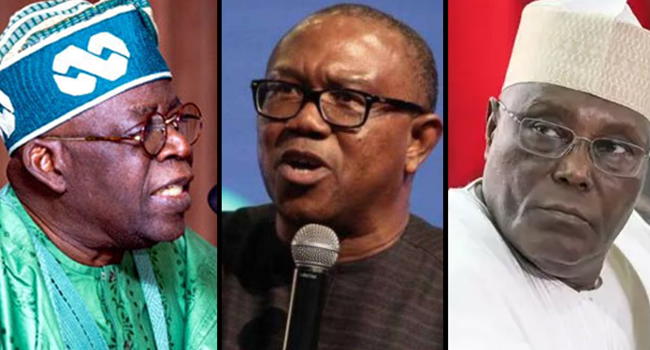
Political Candidates Sign Peace Accord Ahead of 2027 Elections
By Joseph Erunke, Abuja
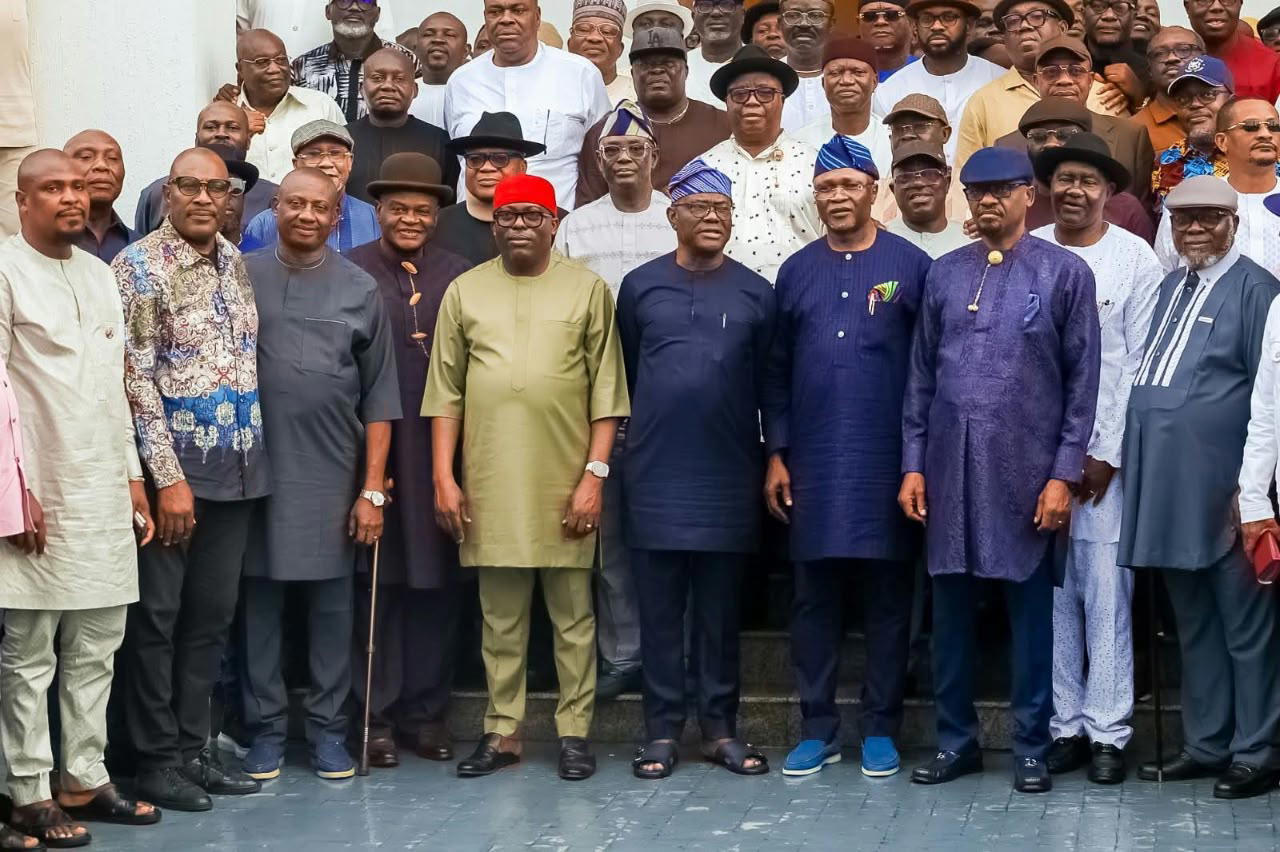
Presidential candidates and party leaders in Nigeria gathered in Abuja on Tuesday to sign a National Peace Accord, committing to conduct issue-based campaigns and to refrain from violence, hate speech, personal attacks, and misinformation as the nation approaches its 2027 general elections. The signing took place under the auspices of the National Peace Committee in collaboration with The Kukah Centre, just ahead of the official start of the electioneering period.

The accord is designed to uphold the principles outlined in Nigeria’s Constitution, the Electoral Act, and the guidelines established by the Independent National Electoral Commission (INEC). Its purpose is to ensure that the fierce competition for political power does not escalate into violence and other disruptive activities that could threaten the country’s democracy.
Notably absent from the ceremony were significant candidates such as President Bola Ahmed Tinubu of the All Progressives Congress (APC) and Atiku Abubakar of the African Democratic Congress (ADC). Tinubu was represented by the Secretary to the Government of the Federation, Senator George Akume. Among those present were Peter Obi of the Nigeria Democratic Congress, Adewole Adebayo of the Social Democratic Party, and Omoyele Sowore of the African Action Congress.
Prof. Joash Amupitan, the chairman of INEC, also attended the signing event, which Obi used as a platform to encourage voters to reject candidates who violate the accord. “The punishment is that Nigerians should not vote for them,” said Obi, emphasizing the need for candidates to uphold the standards expected of public leaders.
Obi called for a credible election where every citizen’s vote would count, stressing the need for peace. In light of recent violent incidents during elections, he stated, “No Nigerian should lose his or her life because of an election.” The former governor also questioned the necessity of a peace accord, asserting that individuals seeking public office should naturally exhibit the integrity expected of leaders.
Asabe Ndaye, Project Manager of the National Peace Committee at The Kukah Centre, reaffirmed that the accord is not merely symbolic but is grounded in law and public commitment to peaceful political conduct. She warned of the serious consequences for breaches related to violence and misinformation, citing a need for all stakeholders—including political party chairmen, candidates, and their supporters—to avoid conduct that could incite conflict.
The committee’s research revealed that previous breaches of the accord were significant, with 43% of violations linked to failure to conduct issue-based campaigns. Other violations included inflammatory rhetoric and dissemination of false information.
Ndaye also shared troubling statistics, noting that between June 2025 and August 2026, the Election Security Information Hub recorded 2,510 security incidents, while 381 electoral offenses were reported in various states. She highlighted the importance of addressing underlying tensions related to party primaries and political realignments to prevent escalation into violence.
INEC’s Amupitan echoed the call for ethical campaigning, warning against the resurgence of hate speech and misleading narratives during the impending election season. He emphasized that elections should be viewed as competitive job interviews rather than total wars, calling for discussions centered on the pressing challenges facing the nation.
Inspector-General of Police Tunji Disu, represented by Deputy Inspector-General Umar Shehu, underscored the importance of maintaining electoral security and responsibly managing political campaigns. He advised political actors against inflammatory rhetoric and urged them to be accountable for the behavior of their supporters.
While the accord received support from various political figures, some candidates like Adebayo questioned its efficacy, highlighting concerns about past breaches and the lack of accountability. Despite these criticisms, the National Peace Committee reaffirmed its commitment to fostering a peaceful electoral environment and plans to advocate for the acceptance of electoral outcomes post-election.
Established in 2014 amid election-related tensions, the National Peace Committee aims to ensure Nigeria’s democratic stability by promoting high-level mediation and responsible political discourse.