Exit of Wale Edun: Matters arising in an era where truth is inconvenient
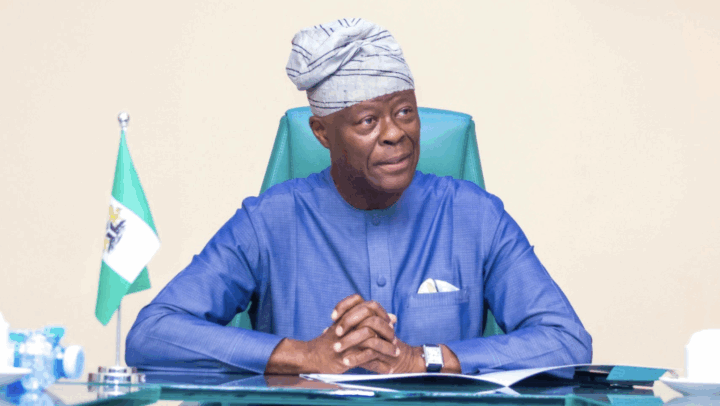
Wale Edun Removed as Nigeria’s Finance Minister Amidst Controversy Over Fiscal Transparency
By Olufemi Aduwo
The recent dismissal of Wale Edun from his position as Nigeria’s Finance Minister is more than a routine government change; it highlights significant concerns regarding transparency and governance under President Bola Ahmed Tinubu.
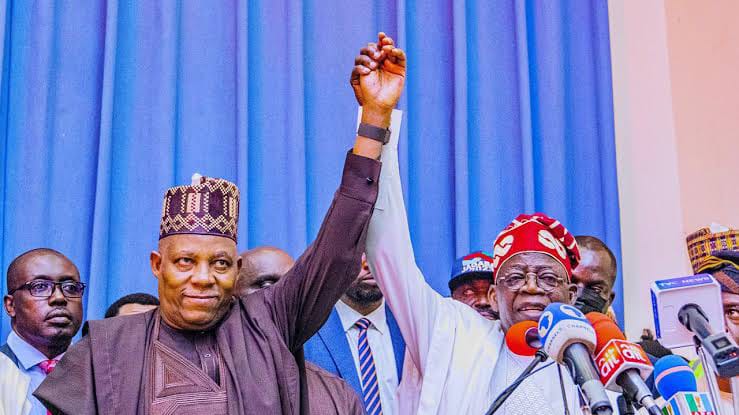

Events leading to Edun’s exit reflect stark contradictions between official narratives and fiscal realities. In September 2025, while addressing stakeholders at the Buhari Organisation at the Presidential Villa, President Tinubu proclaimed, “Today I can stand here before you to brag, Nigeria is not borrowing. We have met our revenue target for the year, achieving this milestone in August.” This confident assertion suggested a departure from previous reliance on external loans.
However, in December 2025, during a presentation before the House of Representatives’ Committees on Finance and National Planning, Edun painted a different picture. He warned that the federal government was on track to miss its 2025 revenue target by approximately ₦30 trillion and had already borrowed about ₦14.1 trillion to address budget deficits. This revelation starkly contrasted with the President’s earlier statements, exposing a significant gap between political optimism and financial reality.
Following Edun’s disclosure, key responsibilities related to revenue generation and fund management were reassigned to the Minister of State, with no explanation provided to the public. Informed observers concluded that Edun had lost favor within the administration, signaling the precarious nature of truth within the current governance framework.
Edun’s track record does not reflect incompetence; he played a crucial role in significant economic reforms, including the removal of fuel subsidies and foreign exchange unification. He successfully improved the nation’s debt service-to-revenue ratio from 97 percent in 2023 to approximately 68 percent by mid-2024. His cautious, data-driven approach demonstrated a commitment to fostering a stable macroeconomic environment conducive to attracting investment.
However, the divergence between the government’s optimistic public messaging and Edun’s factual reporting posed a challenge. Political theorist Hannah Arendt noted that the erosion of truth is a hallmark of declining political systems. Similarly, George Orwell suggested that in times of widespread deception, honesty can be deemed subversive.
The experiences of former leaders Robert Mugabe and Nicolas Maduro illustrate the dangers of prioritizing conformity over truth. In both cases, the marginalization of dissenting voices led to catastrophic economic consequences.
Edun’s removal raises troubling implications for governance: when a finance minister is penalized for presenting accurate data, it sends a message that alignment is valued more than integrity. This fosters a culture of caution among civil servants and advisers, ultimately compromising the effectiveness of economic policy.
Markets thrive on credibility and consistency. A government that presents an illusion of fiscal strength while accumulating debt jeopardizes economic stability and public trust. The metaphor of a “one chance molue” encapsulates this reality; while the vehicle may appear functional, danger lurks beneath the surface. Nigeria risks becoming such a vehicle if the ability to speak truthfully within government diminishes.
The path ahead requires a renewed commitment to transparency in governance. A president who encourages honest reporting demonstrates strength rather than weakness. Without open dialogue and acknowledgment of fiscal realities, the effectiveness of economic management is at risk, and the repercussions can be severe. As Nigeria navigates its economic challenges, fostering a culture where truth is valued is essential for sustainable progress.