Opposition parties unite against APC, plan single candidate for 2027 polls
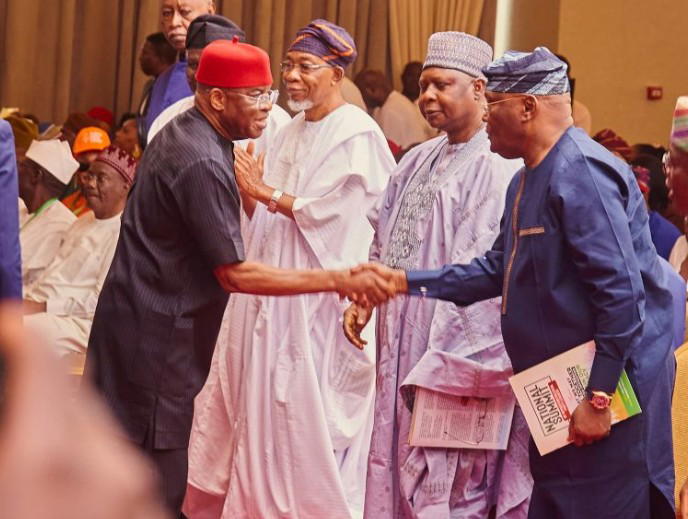
Opposition Parties Unite Against Threats to Nigeria’s Democracy
By Adeola Badru
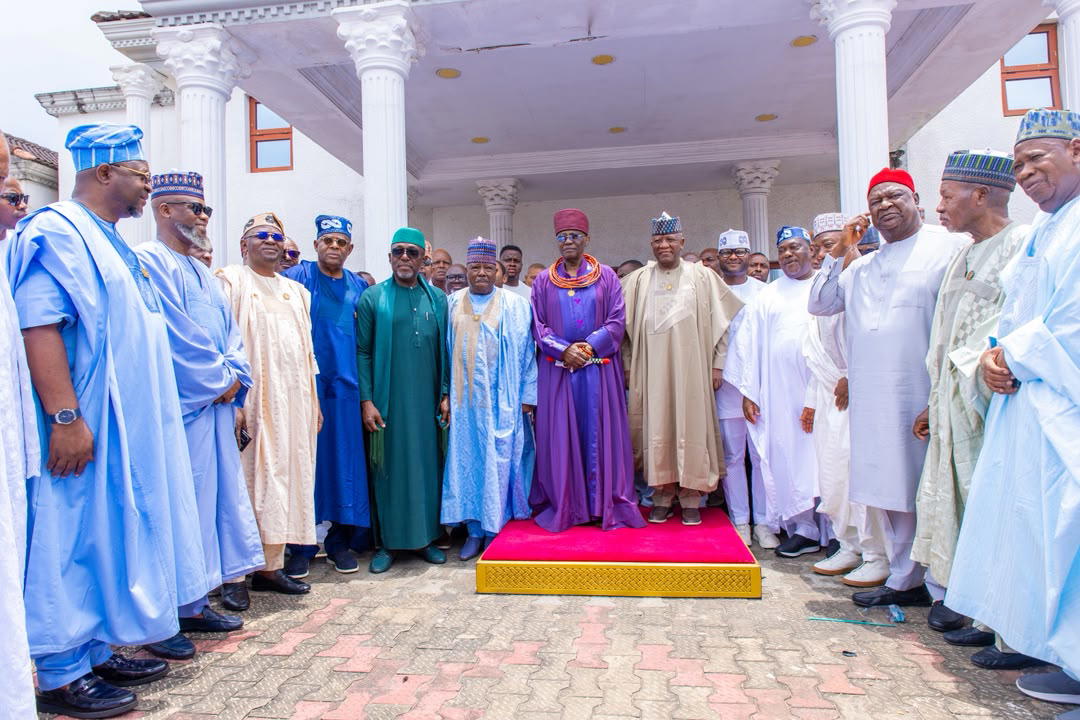
IBADAN, Nigeria — Opposition parties in Nigeria have announced their intention to present a united front by selecting a single presidential candidate for the upcoming 2027 general elections. This decision, made during a national summit held in Ibadan, comes amid concerns over the dominance of the All Progressives Congress (APC), which they argue threatens the integrity of elections.
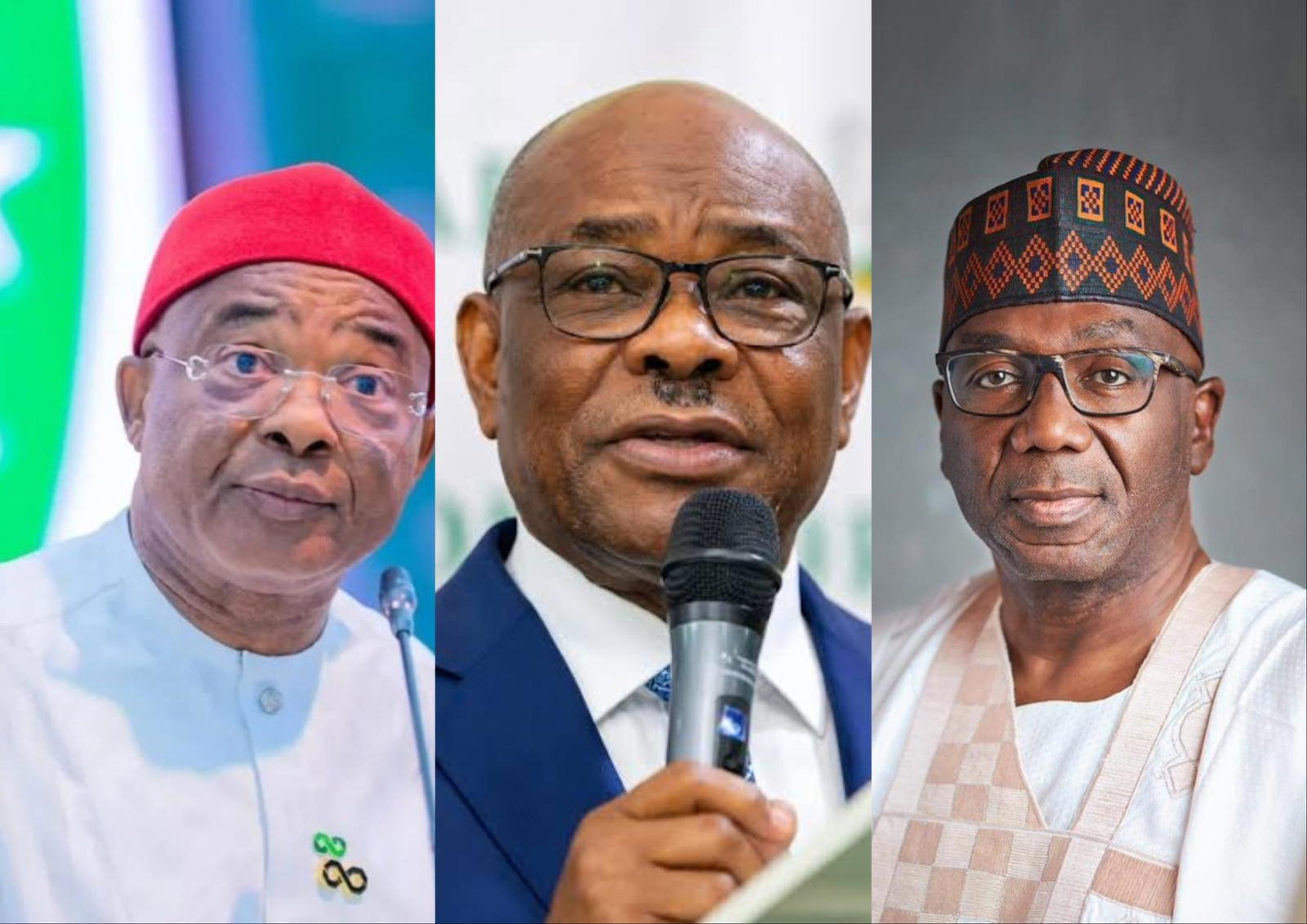
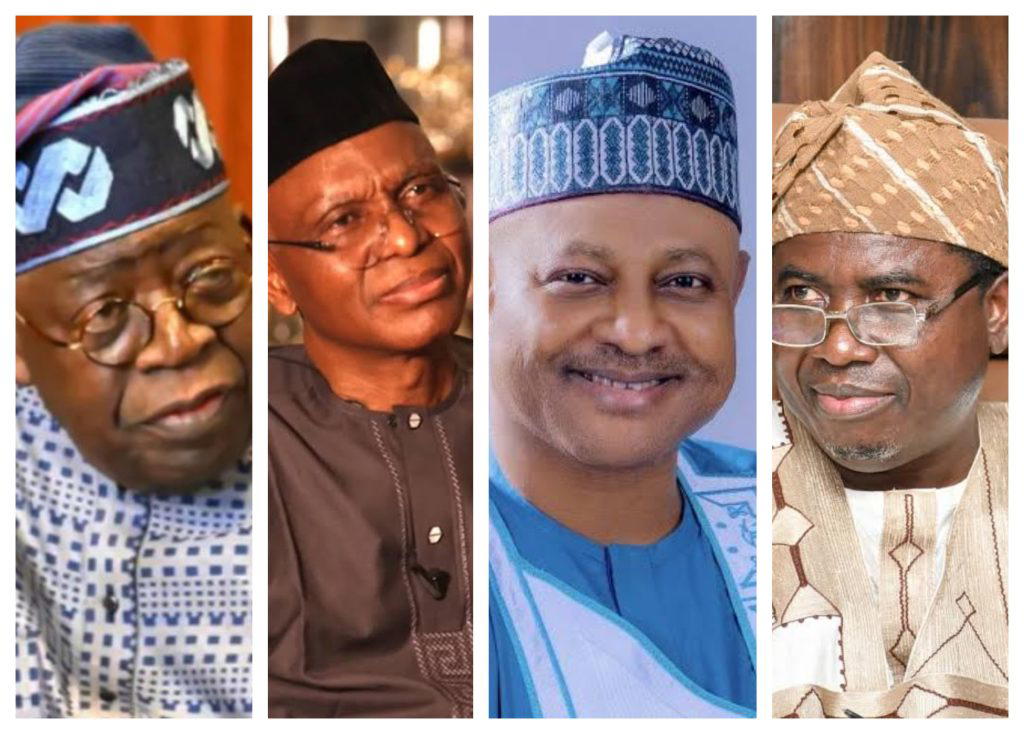
Key political figures, including Atiku Abubakar, Rabiu Musa Kwankwaso, Rotimi Amaechi, Peter Obi, and Rauf Aregbesola, gathered for the summit to establish a collaborative strategy. Taminu Turaki, factional chairman of the Peoples Democratic Party (PDP), read the summit’s communiqué, emphasizing their commitment to resisting any efforts by the APC to establish a one-party system.
“We are determined to safeguard multi-party democracy in Nigeria,” Turaki stated. “Despite the ruling party’s manipulations, we will field candidates for the 2027 elections and work towards a consensus candidate to represent all opposition parties.”
The communiqué also criticized Joash Ojo Amupitan, chairman of the Independent National Electoral Commission (INEC), accusing him of bias and calling for his removal from office before the elections. The opposition urged the National Assembly to revise the Electoral Act to ensure fair electoral processes.
Turaki further called for the immediate release of politicians detained on bailable offenses, asserting that they should be allowed to participate in the democratic process. The document described recent INEC guidelines as obstacles designed to disadvantage opposition parties, urging that the deadline for party primaries be extended to July 2026.
Host governor Seyi Makinde highlighted the gradual erosion of democracy in Nigeria, warning that political competition is increasingly compromised. “Democracy is weakened step by step,” Makinde said. “When the opposition is ineffective, democracy loses its meaning.”
He emphasized that a functional democracy requires real alternatives, stating, “What we have may still be called democracy, but it will no longer function as one without opposition.”
Makinde underscored the importance of the summit’s location, noting Ibadan’s historical significance in South-West politics. He clarified the summit’s purpose: “This is not about targeting one individual or individual ambitions; it is about the collective aspiration of the Nigerian people for a true democracy.”
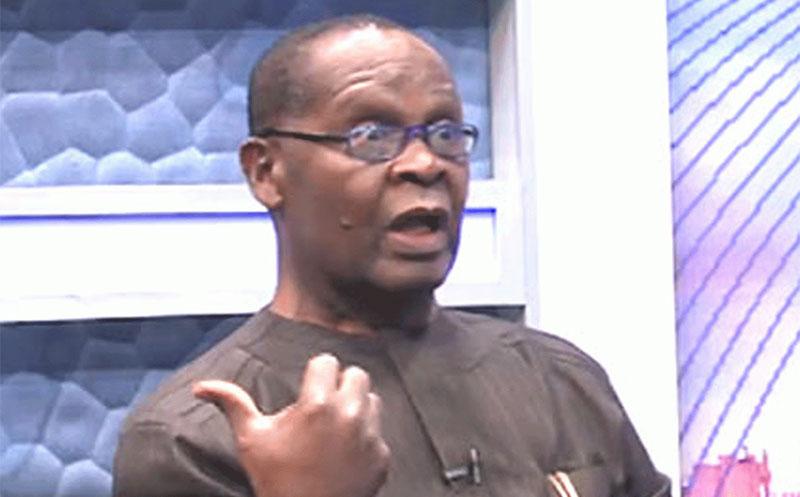
Prof. Pat Utomi addressed the economic crisis facing the nation, sharing a personal account to illustrate the widening disparity between living costs and income. “I spent nearly 250,000 naira to refuel my vehicle, while many Nigerians survive on less than 100,000 naira a month,” Utomi remarked. He articulated broader economic concerns, including rising food prices and insecurity disrupting agriculture, urging for leadership that understands and addresses the public’s realities.
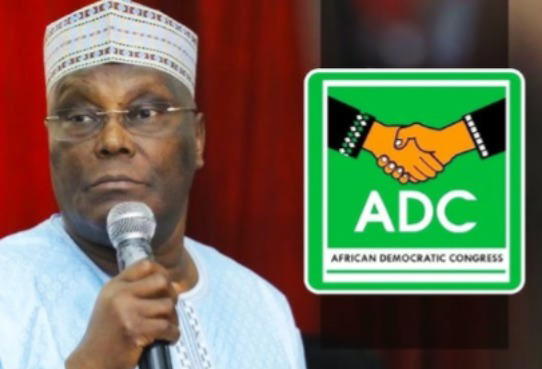
David Mark, National Chairman of the African Democratic Congress (ADC), described the summit as a pivotal moment in Nigeria’s history, calling it a necessary response to the nation’s challenges. He stressed the importance of unity among opposition parties, stating, “No single opposition can confront such an entrenched system; we must unite to save our nation.”
Mark condemned the APC-led government’s focus on its own political agenda while insecurity plagues the country. He asserted, “The essence of democracy is to provide the people with choices,” and criticized the ruling party for making this increasingly difficult.
As the summit concluded, leaders emphasized their commitment to work together, framing their collective efforts as essential to restoring democracy in Nigeria.