2027: APC mobilises behind scenes, opposition spends time on TV — Yilwatda

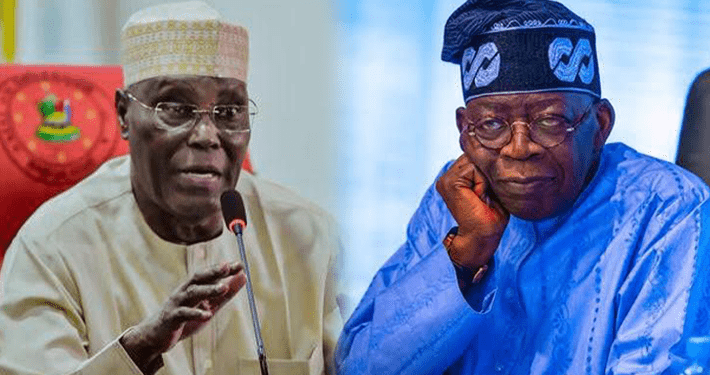
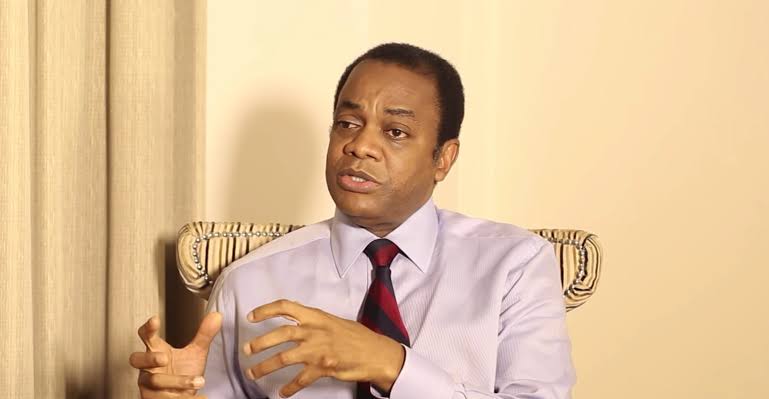
Prof. Nentawe Yilwatda, the National Chairman of the All Progressives Congress (APC), asserted that opposition parties in Nigeria prioritize television appearances over grassroots mobilization. In a recent interview on Trust TV, Yilwatda emphasized that the opposition is more focused on media presence instead of engaging directly with the electorate. He stated, “Opposition parties spend more time on TV talking,” positioning this trend as a failure to adequately engage with the public on critical issues.
Yilwatda expressed that it is not the APC’s responsibility to support these opposition parties, suggesting that they should take initiative and mobilize their own bases instead of relying on the APC’s efforts. He highlighted the APC’s commitment to grassroots mobilization, detailing his own travels across various states, such as Taraba and Katsina, to engage directly with constituents. He emphasized that much of the party’s work occurs out of the public eye, asserting that what viewers see on television is merely the product of extensive behind-the-scenes efforts.
In addressing criticisms of the APC’s alleged intentions to create a one-party system, Yilwatda refuted such claims. He clarified that while the party would welcome widespread support, it does not seek to eliminate dissent or create an environment devoid of political competition. Citing remarks from his predecessor, Abdullahi Ganduje, regarding a one-party state, he insisted that the APC aims for a political landscape that fosters challenges and diverse viewpoints.

Yilwatda also reinforced that there has been no initiative from the APC to amend Nigeria’s constitutional or electoral frameworks in a way that would facilitate a single-party system. He stated, “As long as we’ve not amended any of these legal frameworks and we have 18 political parties,” underscoring the APC’s commitment to maintaining a multiparty democracy.
Moreover, he questioned why opposition parties do not invest similar effort into grassroots mobilization, suggesting that if they did, they might see greater successes in attracting political defectors from the APC. This call for active engagement rather than passive media commentary reflects a broader strategy within the APC to solidify its influence and reach in Nigeria’s political landscape ahead of the upcoming elections.
In summary, Prof. Yilwatda advocated for a more active political engagement approach, critiquing opposition parties for their reliance on media exposure instead of grassroots efforts to mobilize and build their support bases. He vehemently denied any intentions of shifting Nigeria toward a one-party system, reiterating the importance of political plurality and the APC’s dedication to sustaining a competitive political environment. His remarks illustrate the APC’s focus on behind-the-scenes strategies as they prepare for future electoral challenges, asserting their belief in the value of direct engagement with the electorate.