Don’t dismiss US 2026 Fiscal Transparency Report, BudgIT tells FG

By Emma Ujah, Abuja Bureau Chief
BudgIT, a civic-tech organization focused on enhancing transparency and accountability in Nigeria’s public finance, has urged the Federal Government to take seriously the recent 2026 Fiscal Transparency Report released by the United States Department of State. This report marked the second consecutive year that Nigeria received a low score on fiscal transparency.
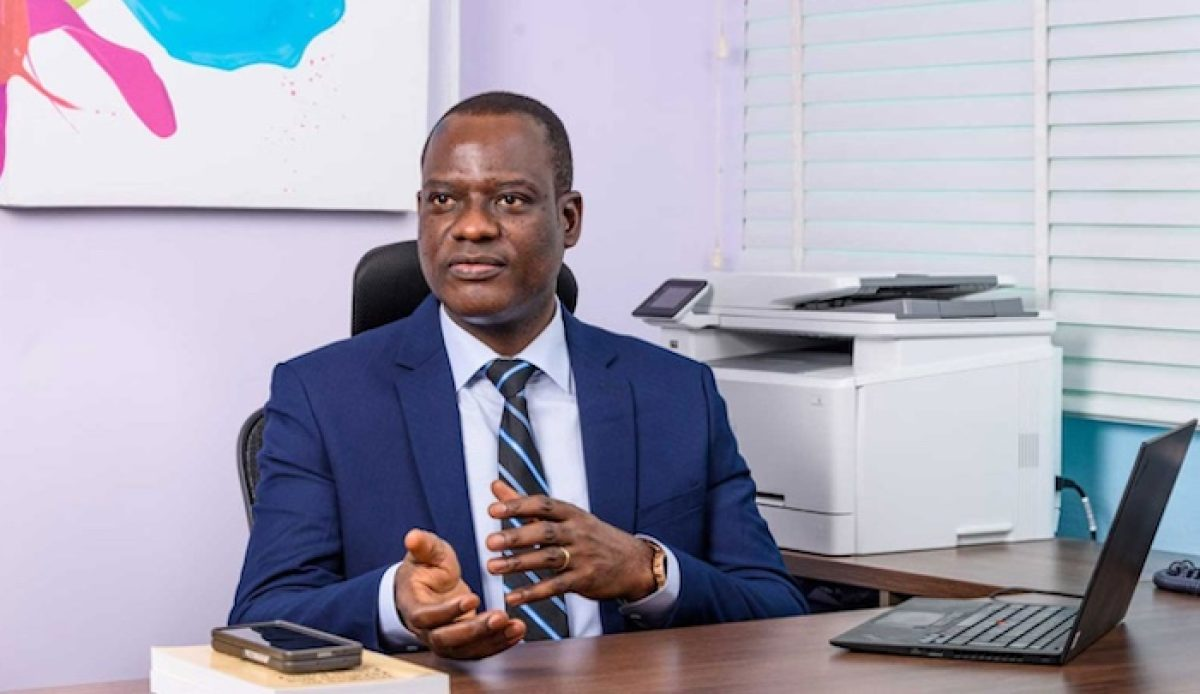
In a statement issued by its Country Director, Vahyala Kwaga, BudgIT called on the government to address significant deficiencies in budget execution, audit reporting, and public procurement disclosures.

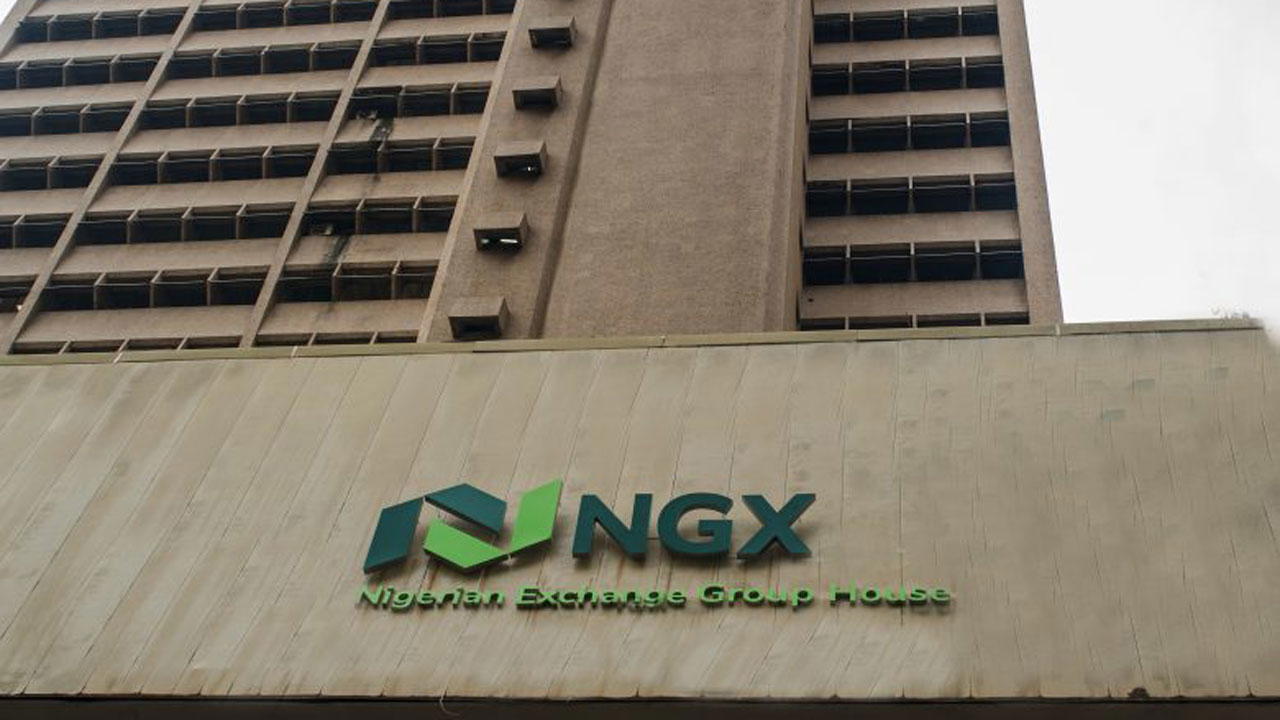
The U.S. report indicated that Nigeria again failed to meet fiscal transparency standards, highlighting issues such as ambiguous budget documents and limited public access to contract details. Nevertheless, it also recognized the government’s efforts in disclosing public debt information and maintaining a sound legal framework for the Sovereign Wealth Fund.
BudgIT expressed concerns regarding the government’s budget implementation reporting, noting that while budget documents are published, the reporting on actual budget execution remains lacking.
“It is relatively easy to announce approved budget figures, but it is considerably more important to provide timely and consolidated information on actual revenue collection and expenditure,” the organization stated.
Furthermore, BudgIT pointed out that Nigeria adopted the International Public Sector Accounting Standards (IPSAS) in 2016 and emphasized that the principles of transparency and accountability should be evident in the quality, timeliness, and completeness of fiscal reports.
The assessment, which evaluated Nigeria’s fiscal transparency practices from January 1 to December 31, 2025, identified the country among 67 of 140 governments and entities that failed to meet minimum transparency requirements.
Although BudgIT acknowledged that the report does not provide a comprehensive evaluation of all public financial management reforms in Nigeria, it insisted that the findings “should not be dismissed.” The report has raised concerns regarding the credibility of budget implementation reports, the independence and effectiveness of the country’s audit institutions, and access to public procurement information.