2027: I’ll bring petrol price down to N300 per litre - Donald Duke
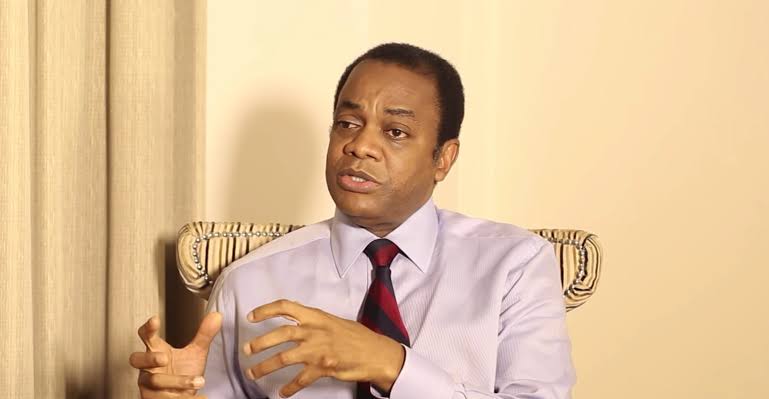
Former Cross River Governor Proposes Petrol Price Reduction to N300 per Litre in 2027 Presidential Bid
Donald Duke, the former governor of Cross River State and presidential candidate for the Peoples Redemption Party (PRP) in the upcoming 2027 election, has pledged to lower the price of petrol to approximately N300 per litre if he is elected.
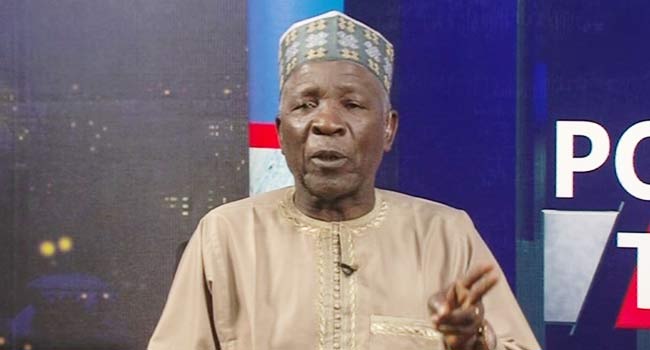
In an interview on Channels Television’s Morning Brief on Monday, Duke critiqued current economic policies under President Bola Tinubu, particularly addressing the handling of the petroleum sector. He emphasized a need for a pricing strategy that reflects domestic production costs rather than international market prices.

Duke stated, “The subsidy regime—this whole thing is a scam. I’m going to price petroleum products for local consumption at production costs, not at international market costs.” He explained that the production cost for petrol is around $45, inclusive of processing and refining, while local consumers often face prices nearing $100 per litre.
High petrol prices, according to Duke, have exacerbated economic hardship for many Nigerians, particularly those with lower incomes. “The basic minimum wage is 70,000 naira. Your salary will go in just filling a tank of fuel,” he noted, underscoring the financial strain on ordinary citizens.
When questioned about the feasibility of his proposed petrol price, Duke asserted that his target of N300 per litre, while ambitious, was achievable based on his outlined calculations.
To support his pricing model, Duke proposed allocating a portion of Nigeria’s crude oil production for domestic use, with an additional quantity available for export. “Allocate 600,000 barrels if that’s what you consume daily. The other one million you can sell it,” he said.
Industry data indicates that Nigeria currently produces an average of 1.68 million barrels of crude oil each day and has a domestic consumption rate of approximately 60.2 million litres of petrol daily. Duke expressed confidence that his pricing strategy would alleviate some of the financial pressure faced by Nigerians and form a key component of his broader economic agenda if he assumes the presidency in 2027.