Manufacturers groan as rising credit, production costs threaten recovery
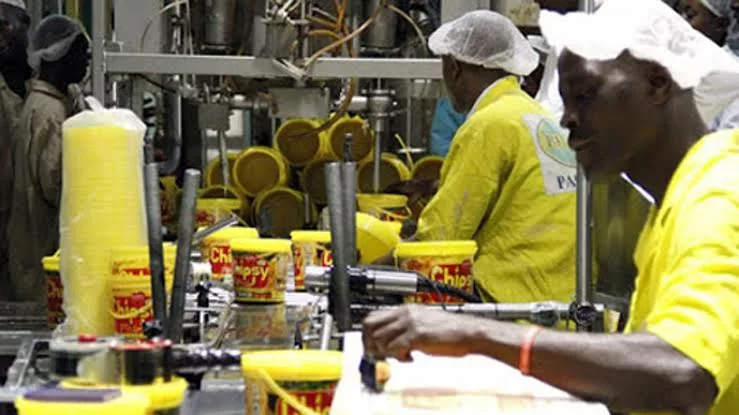
Manufacturers Cite High Costs as Main Challenge to Recovery
By Yinka Kolawole
The Manufacturers Association of Nigeria (MAN) has highlighted the elevated cost of credit and increasing production expenses as significant threats to the recovery of the nation’s manufacturing sector. This warning comes amidst a reported improvement in manufacturers’ confidence in the economy, as outlined in the association’s latest Manufacturers’ CEOs Confidence Index (MCCI) for the second quarter of 2026.



In the report, two-thirds of manufacturing CEOs pinpointed limited access to finance as their chief concern, citing high commercial bank lending rates as a substantial deterrent to productivity. They noted that the amount of available credit was insufficient for their needs.
The association attributes the high cost of borrowing to the Central Bank of Nigeria’s (CBN) monetary policy, particularly the Monetary Policy Rate (MPR), which remained at 26.5 percent during the quarter. While the CBN’s decision to refrain from raising the MPR may have been intended to stabilize the economy, manufacturers argue that the rate is still too steep to meet the financing requirements of the real sector.
The report underscores how high borrowing costs have inhibited manufacturers’ capabilities to expand output, invest, and create jobs. Additionally, the limited availability of bank credit, in conjunction with soaring energy, distribution, shipping, and raw material costs, continues to restrict productivity and capacity utilization.
Specifically, the report emphasizes that nearly 67 percent of CEOs find commercial bank lending rates to be a disincentive to manufacturing productivity, creating an adverse impact on production costs.
Manufacturers also indicated facing obstacles such as frequent power outages, inadequate foreign exchange supply, high production costs, raw material shortages, excessive taxation, and a lack of adequate government infrastructure. Notably, despite improvements in the foreign exchange market and the relative stability of the naira, half of the surveyed manufacturers reported that advancements in foreign exchange sourcing have not equated to sufficient access for their operational needs. This limited access has raised the costs associated with imported inputs and machinery.
Moreover, only 27 percent of manufacturing executives viewed government spending on infrastructure as supportive of manufacturing activity, reflecting ongoing concerns regarding the efficacy of public infrastructure investments in enhancing productivity.
The report does indicate a slight uptick in manufacturers’ confidence, rising from 48.7 in the first quarter to 52.1 in the second quarter of 2026. However, this improvement is largely attributed to expectations of better business conditions rather than substantial changes in the operating environment.
Looking forward, manufacturers express increased optimism for the third quarter, projecting business conditions at 55.6, employment at 55.2, and production conditions at 63. The Director General of MAN, Segun Ajayi-Kadir, emphasized that actual improvements will hinge on the implementation of effective policies and measures aimed at reducing the cost of doing business.
Ajayi-Kadir urged the CBN to lower the MPR to below 20 percent, emphasizing that affordable credit and prioritized foreign exchange allocation for manufacturers are crucial for catalyzing growth in the sector. He stated, “Reducing financing and production costs is critical to converting the renewed confidence among manufacturers into tangible increases in output, investment, and employment.”
Reflecting on the factors fostering this newfound optimism, Ajayi-Kadir noted that while the MCCI indicates a two-year high in manufacturing confidence, it is driven more by expectations than by concrete improvements. He mentioned that recent governmental reforms in areas such as tax and foreign exchange management have provided a foundation for potential productivity gains, although he cautioned that any retroactive effects of tax legislation could undermine this confidence.