MKO Abiola died of heart attack, not poison – Gen. Abubakar
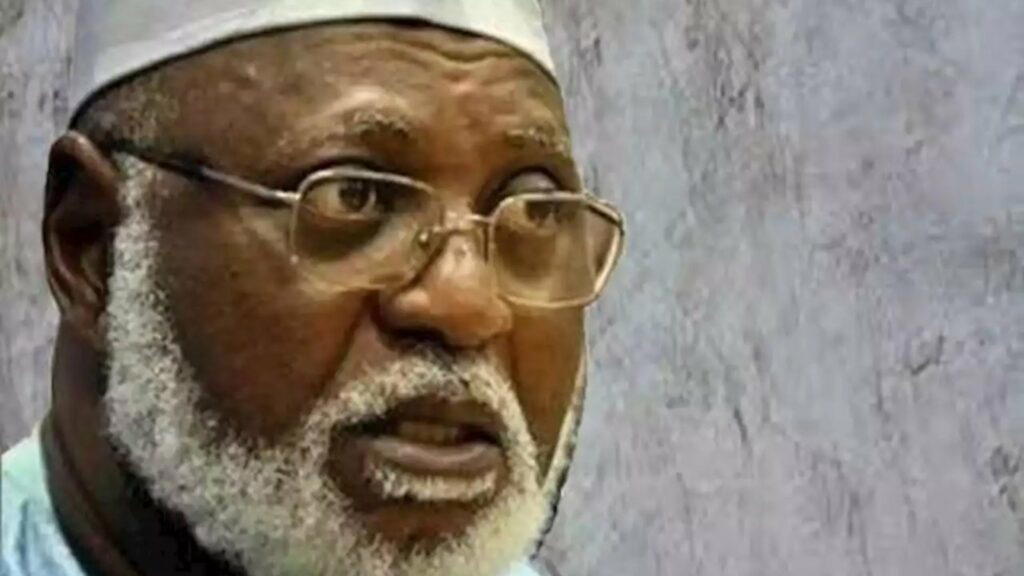
Abubakar: Abiola’s Death Due to Natural Causes, Not Poisoning
By Johnbosco Agbakwuru
Former Head of State Gen. Abdulsalami Abubakar (retd.) has refuted claims that Chief Moshood Abiola was poisoned, asserting that an autopsy performed by pathologists from four countries attributed his death to natural causes. Abiola, who won the June 12, 1993, presidential election widely recognized as the freest in Nigeria’s history, died in custody under controversial circumstances on June 7, 1998.
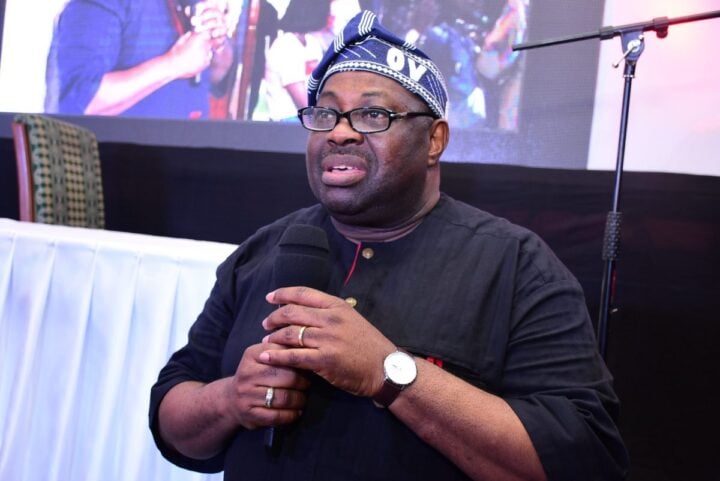
These statements were made during the launch of Abubakar’s book, Call of Duty, which includes detailed accounts of Abiola’s final moments. The event took place at the Banquet Hall of the Presidential Villa in Abuja, marking Abubakar’s 84th birthday. Former presidents Olusegun Obasanjo and Goodluck Jonathan attended, along with Vice President Kashim Shettima representing President Bola Tinubu.
In his book, Abubakar recounts that Abiola collapsed during a meeting with an American delegation led by Tom Pickering and Susan Rice. He noted, “I do not believe Abiola was poisoned. The family requested an autopsy, and we assembled pathologists from the U.S., U.K., Nigeria, and Canada. The report attributed his death to natural causes.”
Abubakar detailed Abiola’s health challenges, including hypertension and heart issues, which he had been managing since at least 1994. He cited a radiological report indicating that Abiola’s heart was enlarged, consistent with hypertensive cardiac disease.
During the meeting, Abiola reportedly began coughing profusely and expressed discomfort, leading to the arrival of a doctor who diagnosed him with a heart attack. Despite efforts to provide medical attention, Abiola died shortly thereafter.
Abubakar recounted receiving the news of Abiola’s death from his Chief Security Officer, Major General Abdulrasheed Aliyu, and described the emotional aftermath, particularly the reactions of Abiola’s family.
“If we had not allowed the American delegation to see him and he had died in custody, it would have been a different story,” he said, underscoring the potential for speculation about a cover-up.
In addressing Abubakar’s efforts during that tumultuous period, Obasanjo commended him for navigating the uncertainties that followed the death of General Sani Abacha and for his attempts to facilitate Abiola’s release. Obasanjo highlighted that Kola Abiola was en route to Abuja to collect his father when the unexpected news broke.
During the occasion, Obasanjo also reflected on Abubakar’s influence on significant legislation, such as overcoming opposition to the Land Use Act, which remains integral to Nigeria’s legal framework.
Major General Abdulrasheed Aliyu supported these sentiments, stating that Abubakar resisted calls from military officials to extend his six-month transition program, emphasizing the importance of adhering to a commitment to democratic governance.
Other attendees, including Jonathan and Senate President Godswill Akpabio, praised Abubakar’s contributions to Nigeria’s democratic transition and called for unity and respect among the nation’s diverse groups.
The event served not only as a recognition of Abubakar’s legacy but also as a reminder of the struggles faced in the pursuit of democracy in Nigeria.