Recapitalisation: NIA backs NAICOM as 7 more insurance firms clear hurdle
By Emma Ujah and Rosemary Iwunze
The National Insurance Commission (NAICOM) has confirmed that seven additional insurance companies have successfully met the recapitalization requirements following a two-week verification period. This brings the total number of compliant insurance companies to 48, along with two reinsurance firms, all of which have adhered to the Minimum Capital Requirements set forth under the Nigerian Insurance Industry Reform Act (NIIRA) 2025 and relevant regulations.
In a statement released yesterday, NAICOM declared that the recapitalization exercise for the Nigerian insurance industry has now concluded. The newly compliant companies include emPLE General Insurance Limited, emPLE Life Assurance Limited, Sovereign Trust Insurance Plc, Tangerine Life Insurance Limited, Alliance & General Insurance Plc, Guinea Insurance Plc, and Regency Alliance Insurance Plc.


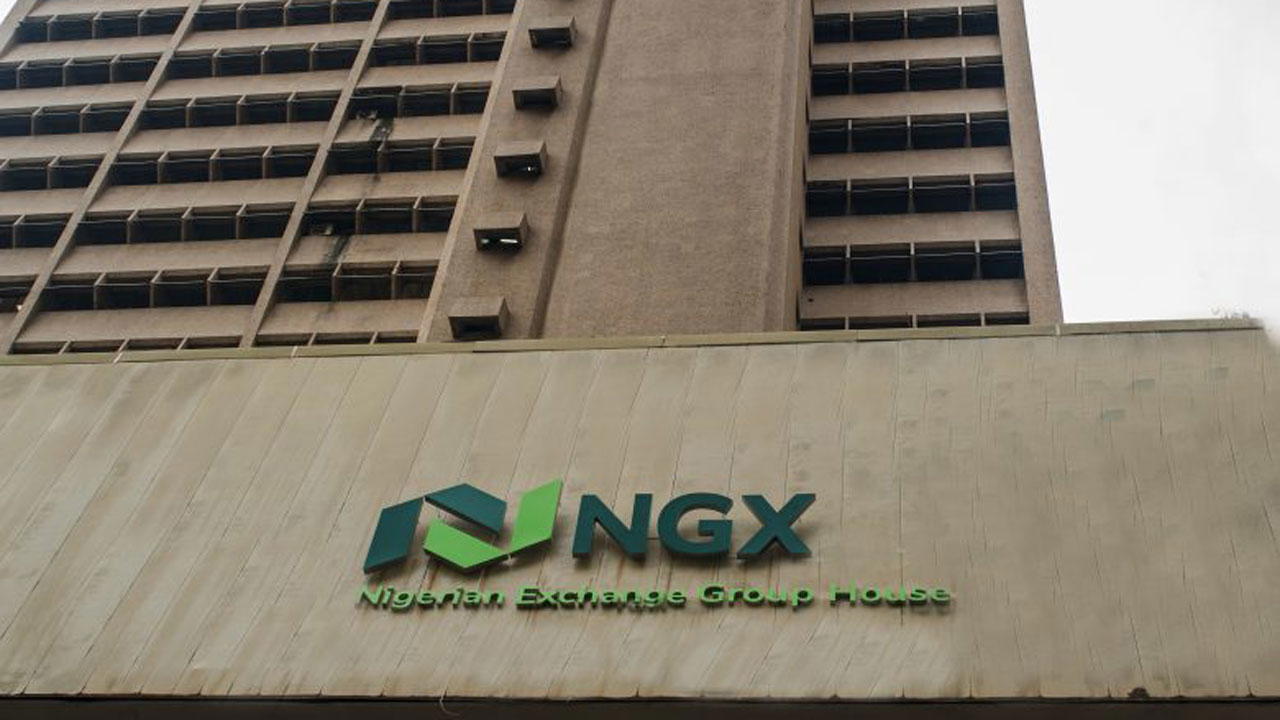
The commission, however, did not address the status of NICON Insurance and Nigeria Reinsurance Corporation.
In a show of support for NAICOM, the Nigerian Insurers Association (NIA) endorsed the recapitalization initiative. The NIA emphasized that clear regulatory guidelines, structured verification processes, established timelines, and strict supervisory measures facilitated a successful navigation of the recapitalization exercise.
Ebelechukwu Nwachukwu, Chairperson of the NIA, expressed in a statement that the completion of the recapitalization process is a significant achievement for insurers, regulators, and the broader Nigerian economy. She noted that a well-capitalized insurance sector enhances the ability to fulfill obligations promptly, manage complex risks, and contribute to national economic stability.
Nwachukwu stated, “The successful outcome of this recapitalization exercise is a major win not just for regulators and operators, but for policyholders, investors, and the wider Nigerian economy.” She affirmed the association’s commitment to supporting the regulator in leveraging the benefits of this process to foster sustainable growth, uphold high standards of market conduct, strengthen consumer trust, and enhance the sector’s contribution to the economy.