Iran rejects Israeli claims of sponsoring terrorism in Nigeria, Sahel
Iran Denies Allegations of Terrorism Sponsorship in Nigeria and Sahel
By Favour Ulebor, Abuja
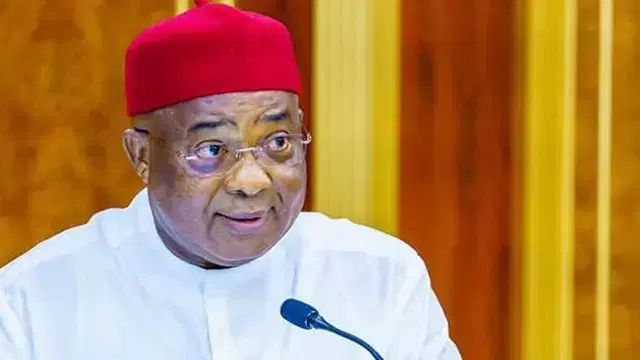
The Iranian Ambassador to Nigeria, Gholamreza Mahdavi Raja, has categorically denied accusations that Iran supports terrorism in Nigeria or the Sahel region. In an exclusive interview, he labeled the claims as “unfounded” and suggested they are part of a broader propaganda effort.
Raja’s remarks were in response to statements made by Israeli Ambassador to Nigeria, Michael Freeman, who claimed during a February 6, 2026, interview that Iran exerts influence in Nigeria and the greater Sahel through terrorism financing.
“These allegations are entirely unfounded,” Raja stated. He criticized the assertions as originating from “a regime that has a long record of violence and violations of international law.” The ambassador highlighted Iran’s longstanding experiences with terrorism, noting that thousands of Iranian citizens have suffered from such violence.
Moreover, Raja emphasized Iran’s commitment to international collaboration in combating terrorism. He reassured Nigeria of Tehran’s intention to maintain strong relations, describing bilateral ties as cordial, transparent, and legally grounded. He mentioned ongoing cooperation across various sectors, including trade, education, culture, science, technology, health, and diplomacy. “Iran regards Nigeria as an important and influential country in Africa,” he added, expressing a desire for constructive engagement with Nigeria and other African nations.
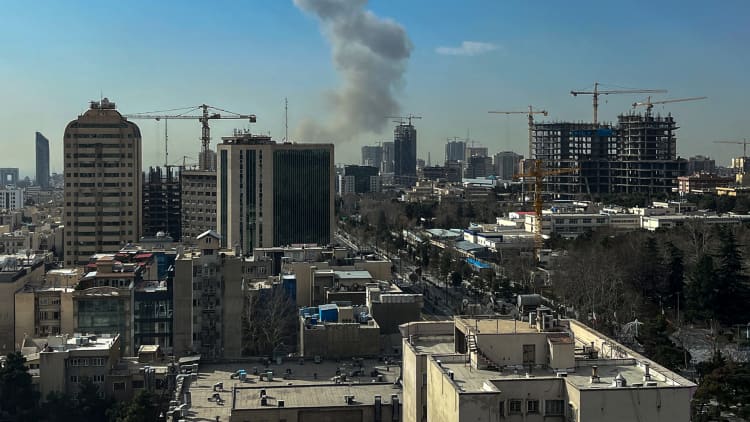
These comments come amid rising tensions between Iran, Israel, and the United States following military strikes on Iranian cities and strategic sites in late February 2026. Operations known as Roaring Lion and Epic Fury targeted air defense and nuclear infrastructure, leading to Iranian retaliatory strikes on Israeli and U.S. military positions in the Gulf region.
The conflict has intensified, with regional implications, including Hezbollah’s missile attacks on northern Israel, prompting retaliatory strikes on Lebanon. The ongoing hostilities have disrupted global oil markets, particularly around the vital Strait of Hormuz.
As of early March 2026, the situation remains volatile, with sustained military actions and ongoing diplomatic challenges complicating international peace efforts. Raja reiterated his call for reliance on evidence-based assessments rather than politically driven allegations regarding Iran’s involvement in terrorism in Nigeria and the Sahel.